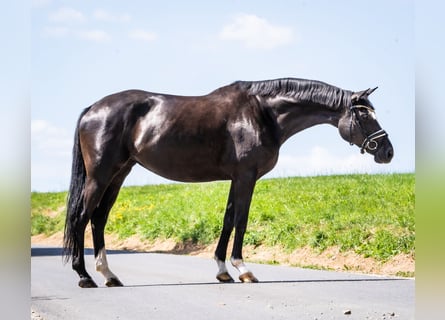
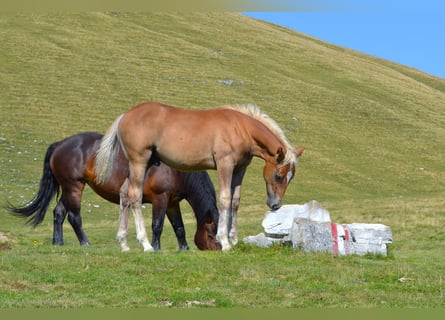
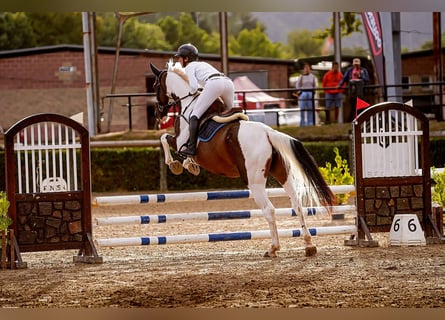
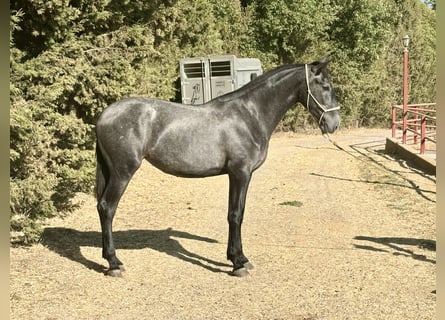
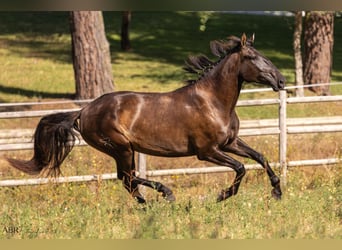
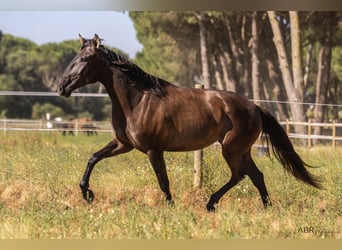
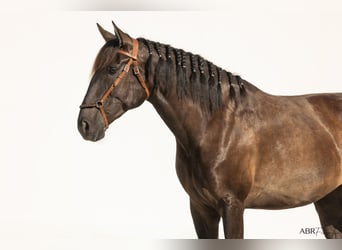
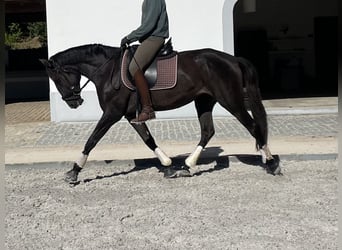
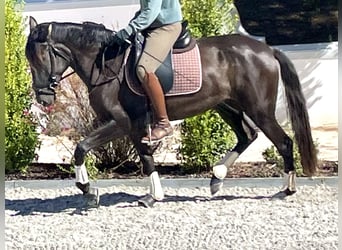
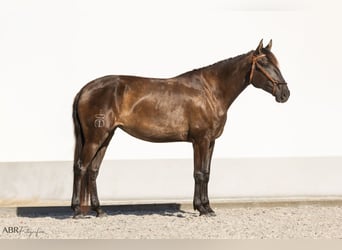
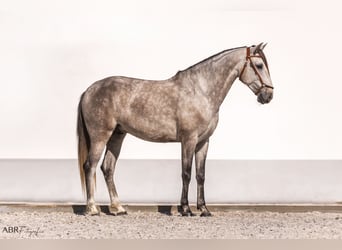
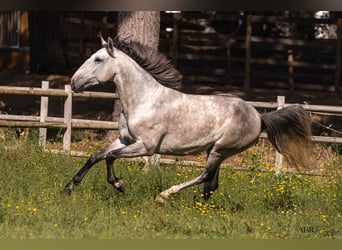
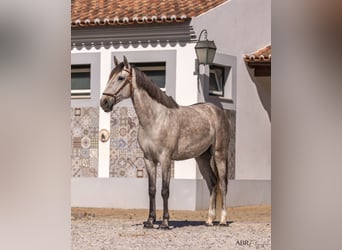
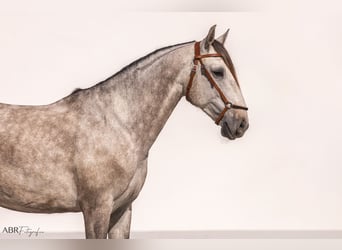
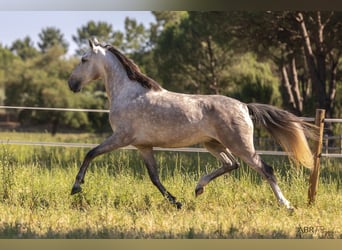
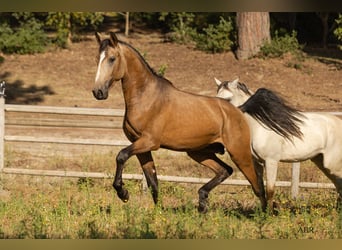
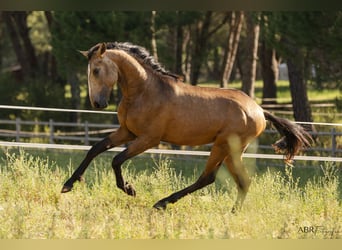
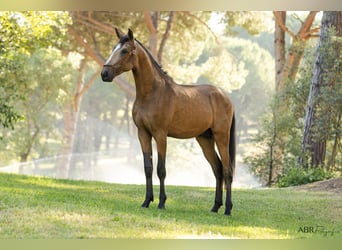
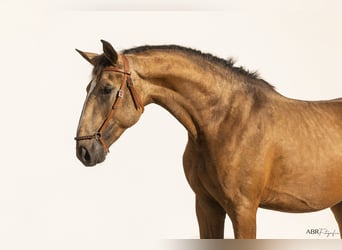
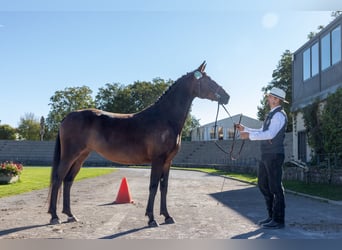
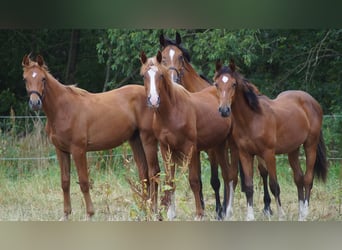
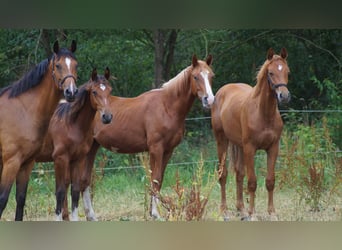
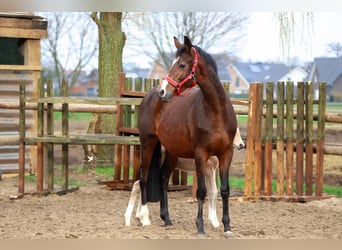
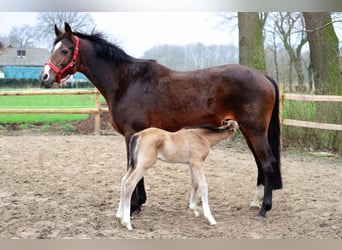
Warmblood Horses for sale on ehorses
Warmblood horse breeds were created by selective breeding of hot-blooded horses with coldblooded horses. Hot-blooded is a term that has traditionally been used to describe certain breeds and types of horses such as Arabians, Turkomans, Barb Horses and Thoroughbred Horses. Their temperaments were believed to be hotter and more active than those of coldblooded horses. Coldblooded was a term applied to draught horses, some Ponies and Cob Horses, particularly those of northern European origin. Warmblooded horses, the outcome of the genes of horses of diverse origins - both hot- and coldblooded - are some of the finest competition horses in the world today.
Features and character of Warmblood Horses
The terms warmblooded, hot-blooded and coldblooded do not reflect real differences in temperature between the different breeds! However, it was once believed that horses, like people, could be defined by the different mix of humours (hot, cold, wet and dry, for instance) that made up their natures. Arabians, Turkomans, Barb Horses and Syrians were designated “hot-blooded”, because they came from hotter areas of the world, and because they appeared to be fierier than some other breeds. The larger horses of northern Europe such as the Flanders or Flemish horse, were coldblooded because they came from colder climates, were slower and did not appear to have the same fieriness. However, they had great strength and size compared to the smaller, lighter hot-blooded horses.
While the concept of hot-, cold- and warmblooded, which links back to medieval time, doesn’t have scientific validation, it is true that different types of horses have different qualities. Some are agile and active, others are fast, others are tall and strong, and some are excellent at jumping. Through selective breeding, the warmblooded breeds combine these different qualities to make successful sports horses for different equestrian disciplines.
Most modern warmblooded horses are a European creation. They are often described as middle-weight horses to distinguish them from light-riding horses, such as the Arab, and heavy draught horses such as the Clydesdale Horses or Belgian Warmblood. They are usually tall horses, between 15.3 hands high (63 inches/160 cm) and 17 hands high (68 inches/173 cm) and are ideally suited for modern competitive equestrian sport. There are warmblooded ponies too, which have emerged into different types. Some are more suitable for dressage, others for show jumping or cross country, while others are good all-rounders.
Warmblooded horses studbooks are usually open to some degree, rather than closed, which means that the breeds have the opportunity to develop by registering horses of suitable type and quality. Because the studbooks are open, there is some discussion as to whether warmblooded horses are true breeds or not. Nonetheless, they still have individual studbooks, frequently regionally based, using some of the most historic breed names. Most warmblooded horses registries are members of the World Breeding Federation for Sport Horses.
Because the primary role of the modern warmblooded horse is to be a successful sports horse, conformation standards are strict, and testing of breeding stock is rigorous. The horses should not only be fit, healthy and athletic, they should also exhibit the type of temperament that is required for demanding competitions. Many of their direct ancestors were the cavalry horses and hunters of the early twentieth century, from which modern warmblooded breeds were mainly developed in the later half of the twentieth century. During this period, equestrian sports became not only an enjoyable activity for all kinds of riders, but also popular spectator sports with an enthusiastic following. Although mostly bred for dressage or jumping events, some warmbloods make excellent harness horses too, and take part in sports driving. Some of these breeds have traditional carriage and coach horse ancestry.
Warmblood Horses - These breeds belong to them
Continental Europe is the home of the modern warmblooded sports horse. Many are German breeds such as Oldenburg Horses, Württemberg Horses, Mecklenburg Warmblood, and Bavarian Warmblood. The Trakehner is also a famous warmblood which is considered to be a distinct breed. The Hanoverian Horses and Holsteiner Horses are derived from old stock and their studbooks are less open. Dutch warmbloods, such as KWPN and NRPS registered horses, have been phenomenally successful in recent years, particularly in show jumping. France’s Selle Français is a well-established warmblood. The Scandinavian countries each produce their own warmbloods, which are successful in both dressage and show jumping. The Irish Warmblood, though only established in 2009, draws on decades of success through Irish Sports Horse breeding. British Warmblood registered horses include any appropriate warmblood breeds as long as they are bred in Britain. The studbook was established in 1977.