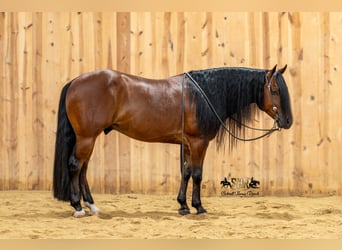
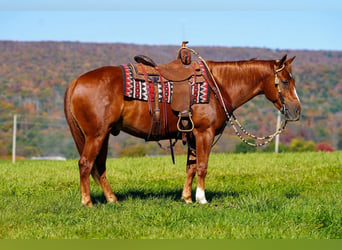
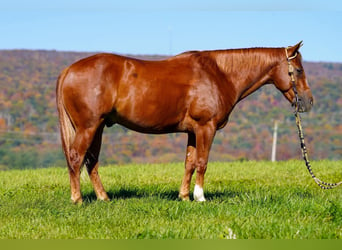
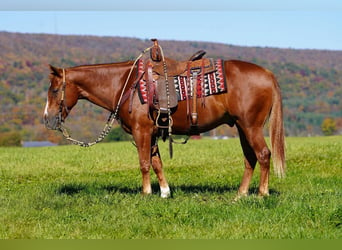
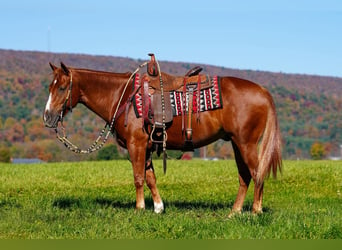
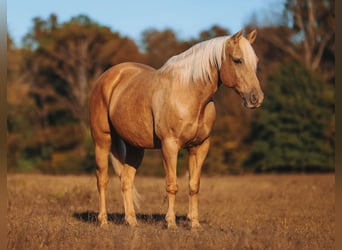
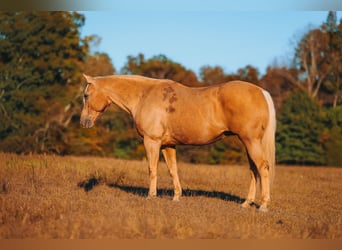
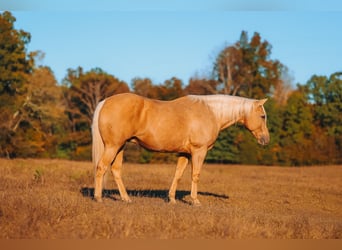
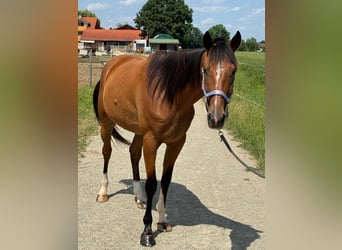
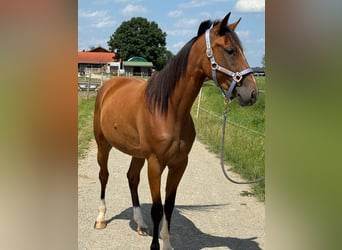
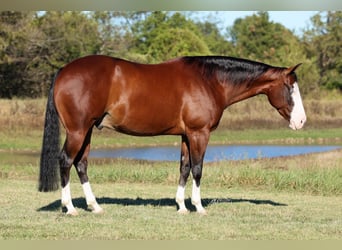
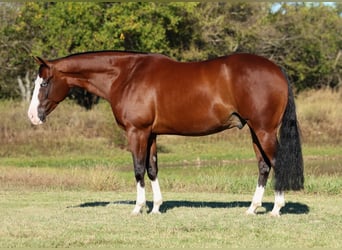
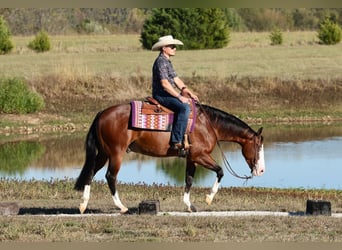
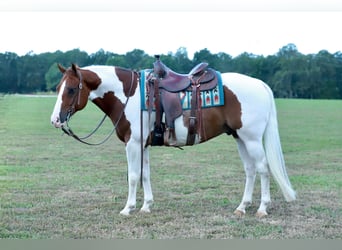
Boulonnais Horses for sale on ehorses
The French Boulonnais is a draught breed that combines great strength with outstanding beauty, earning it the description “Europe’s noblest draught horse”. These magnificent animals turn heads whenever they appear at shows or in harness. Once there were well over half a million Boulonnais working horses in France, but today the numbers are low. Nonetheless, the Boulonnais remains a greatly admired breed that makes a useful cross with other horses, and this can be one of the reasons people decide to buy a Boulonnais. Most of the breeders who sell a Boulonnais come from Northern France, in Normandy and Nord-Pas-de-Calais.
Use and characteristics of the Boulonnais
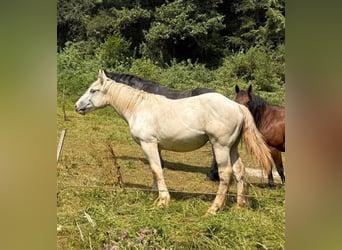
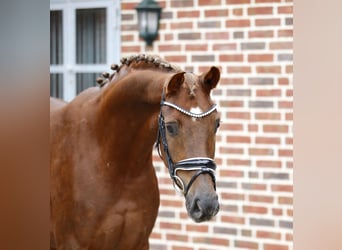
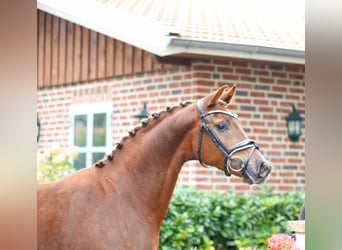
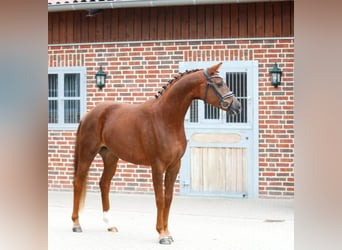
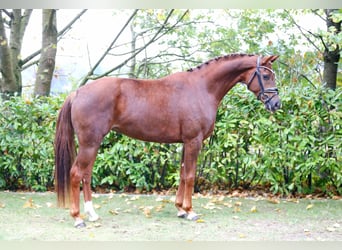
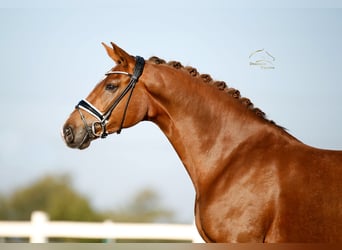
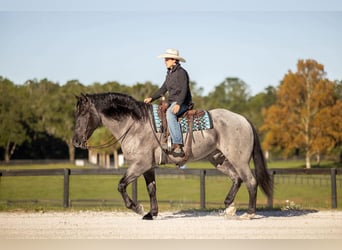
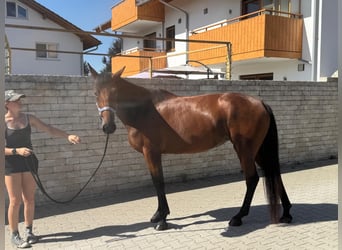
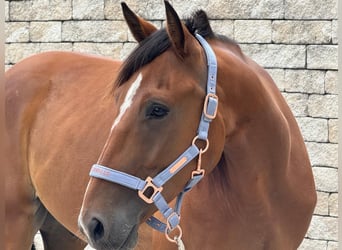
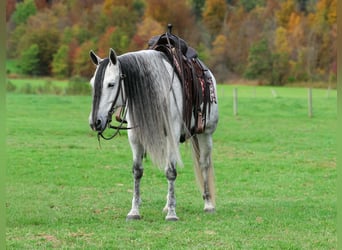
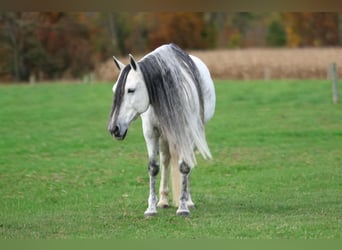
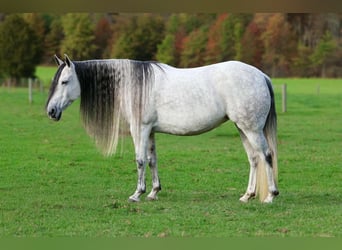
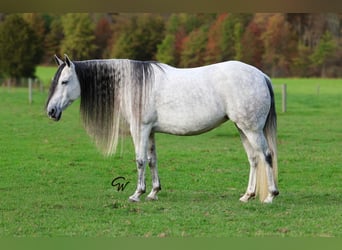
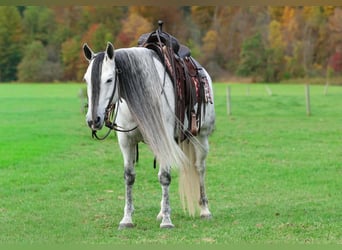
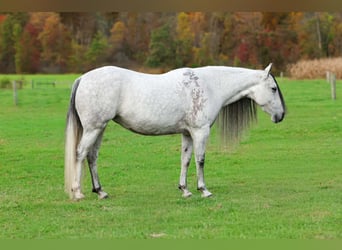
The Boulonnais is a true draught horse breed with a broad, strong chest, sloping shoulders and relatively short legs that provide a low centre of gravity. They are also elegant and attractive, with noble heads, fine coats and sensitive skin. They have no feathering on their legs. They stand between 14.3 hands (59 inches/150 cm) to 16.3 hands (67 inches/170 cm) high. In past times some members of the breed were swifter and faster than the modern type, and many tradesmen would buy a Boulonnais for speedy delivery work. These gentle horses were believed to improve the qualities of other draught breeds and French breeders would sell a Boulonnais abroad for this purpose. The only permissible coat colours are black, gray and chestnut.
Origin and history of breeding Boulonnais Horses
It’s often suggested that the Boulonnais breed dates to antiquity, with both Julius Caesar and returning crusaders receiving credit for its foundation. In fact, as with many European breeds, the origin of the Boulonnais remains obscure. It’s said that Mecklenburg Stallions were used in medieval times to give substance to the local horses. It is likely that Spanish horses were instrumental in the breed’s development in early modern times, and that Barbs and Arabians were influential too. While today the majority of Boulonnais are famous for their gray coats which have gained them the name “White Marble Horses”, according to a survey taken in 1778, black and dark bay were the main coat colors. The gray coloring appears to have become popular during the 1800s when there were several types of Boulonnais. One of these, the Petit Boulonnais, also known as the Mareyeuse or Mareyeur, was a fast, active horse that transported fresh fish quickly from the Pas-de-Calais department to Paris. Mares were used in relays drawing carts filled with ice in which the fish were packed. They completed the journey of 200 miles within 18 hours! Their light coloring was a big advantage for night work. There were also two farm draughts, the Picard and the Cauchoix horse. Finally, the "grand Boulonnais” was used for heavy work in the fields and to convey stone for building. Throughout the nineteenth century, as elsewhere in Europe, experimental breeding programmes were proposed to develop the breed in other ways by using Thoroughbreds and Arabians. The breed’s studbook was established in 1886, and despite attempts to draw together the Boulonnais, Percheron, Norman, and Picardy horses as a single draught breed, the Boulonnais retained its independent status. During the 1970s, with breed numbers being low, they were recategorized as meat animals, meaning that the modern Boulonnais is a much weightier animal than its ancestors.
Boulonnais Horses in equestrianism
The Boulonnais has contributed to breeds such as the Anglo-Norman and Selle Français. Some members of the breed are still used for heavy draught purposes. The Boulonnais has been crossed with Arabians to produce an active harness horse.