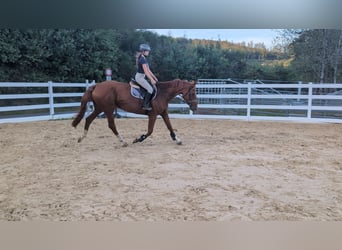
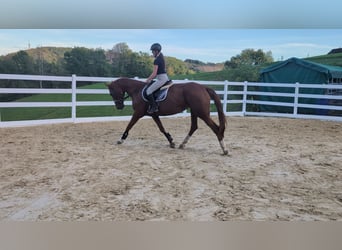
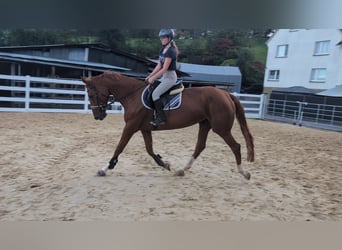
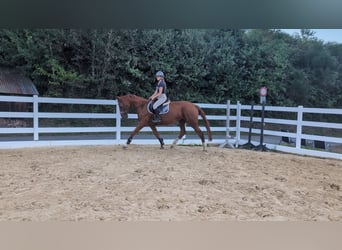
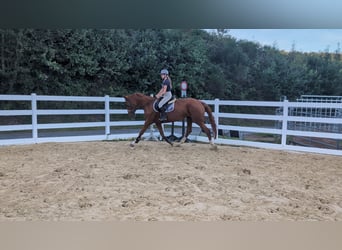
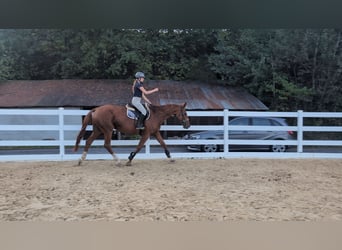
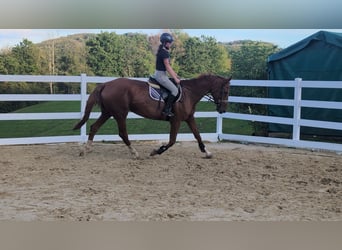
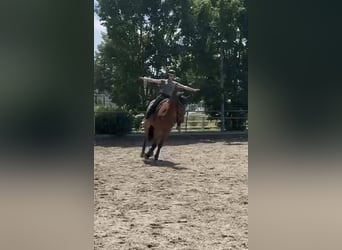
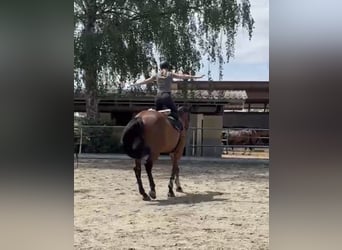
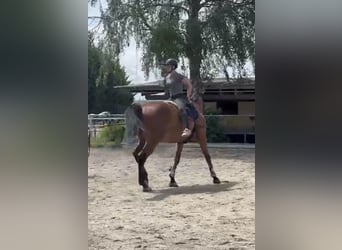
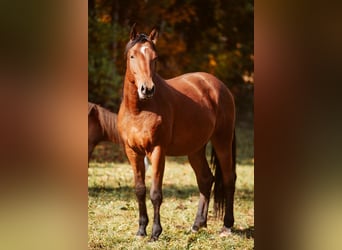
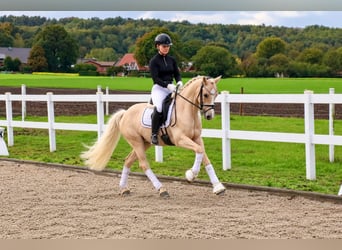
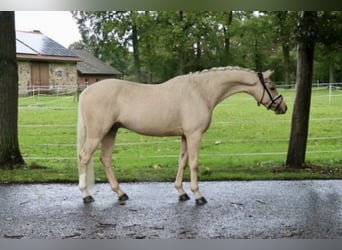
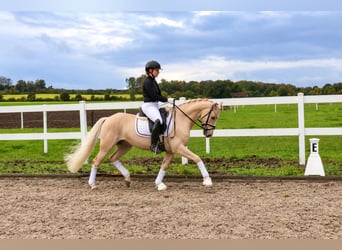
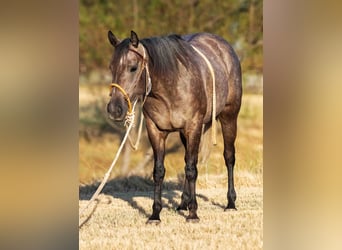
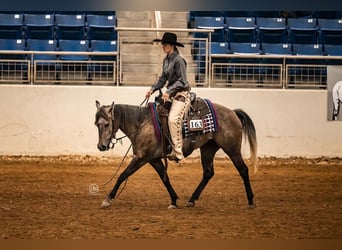
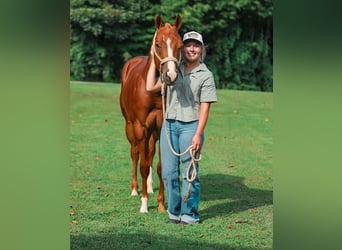
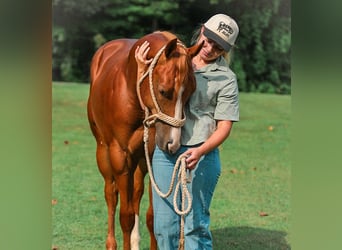
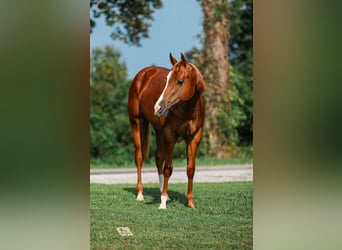
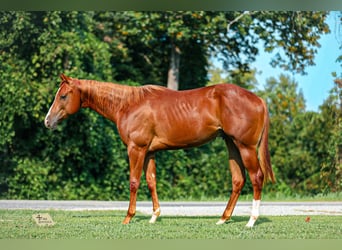
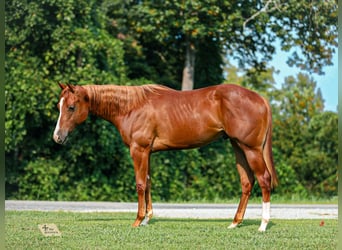
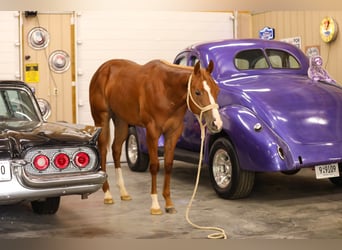
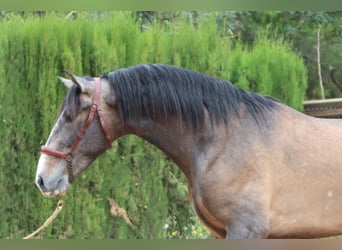
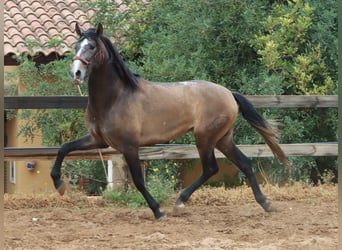
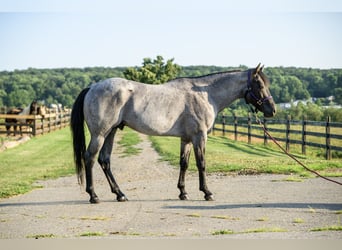
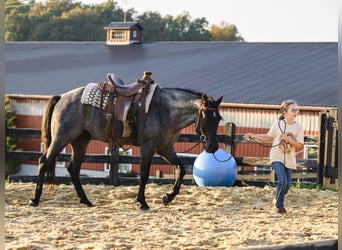
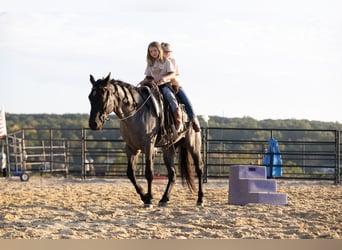
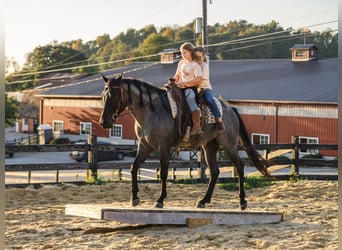
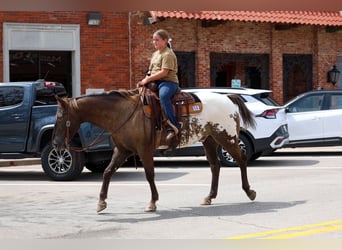
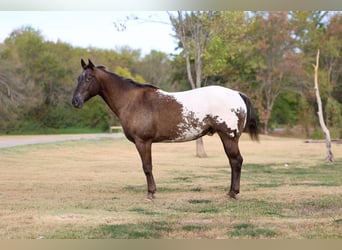
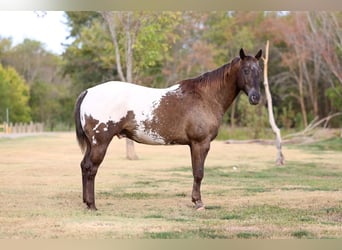
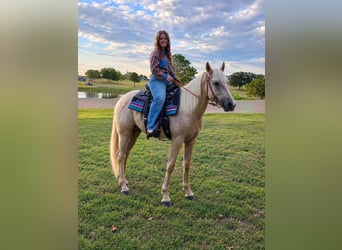
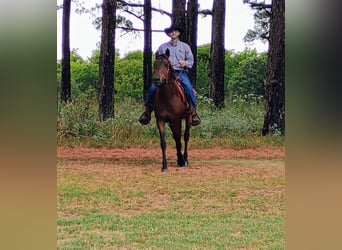
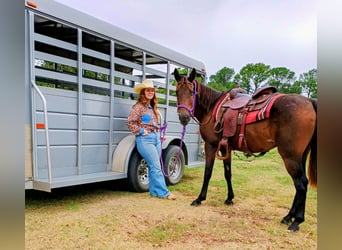
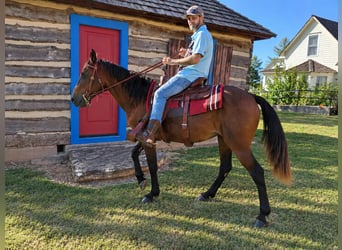
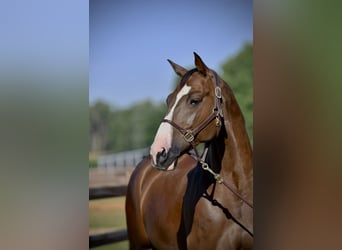
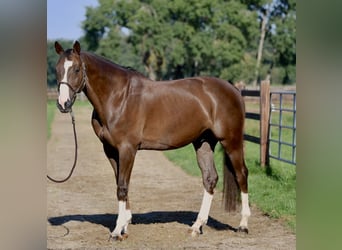
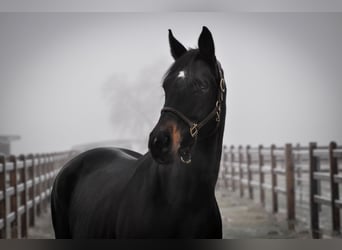
Vaulting Horses for sale on ehorses
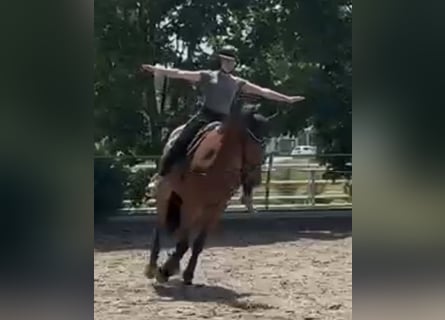
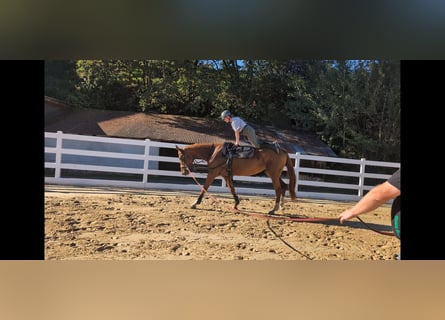
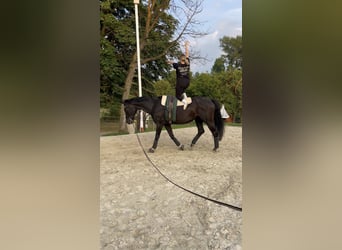
Vaulting is a sport with an enthusiastic following, as it encourages grace and athleticism in competitors and is also appealing to audiences. Circus trainers have known for centuries that it is more difficult to buy a vaulting horse than any other type of performance horse. Vaulters need a horse that is steady and reliable, with regular paces. While walking, trotting or cantering in a circle, the horse must accept vaulters leaping onto its back to perform acrobatic exercises. There are no specific breed requirements. Vaulters are looking for owners who can sell a vaulting horse that is temperamentally suited for the sport.
Use and characteristics of Vaulting Horses
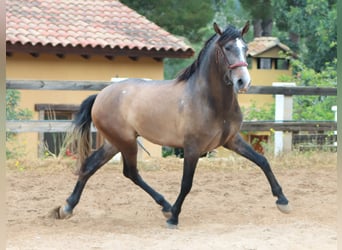
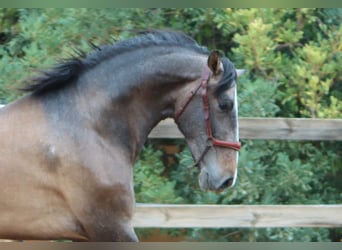
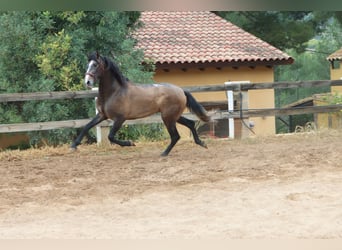
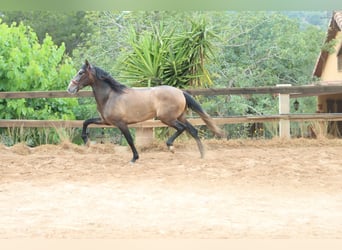
Most vaulting horses are reasonably tall and powerful, as they will often need to carry more than one vaulter at a time. Their backs need to be broad and level and their leg bones dense and strong. Since they must have steady, even paces, many vaulters buy a vaulting horse with warmblood ancestry, particularly those bred for dressage. They also have the right look for working in the arena, being beautiful horses with plenty of presence. Vaulting horses are given grades for movement and behaviour. Vendors who sell a vaulting horse with the right conformation, temperament and paces will receive plenty of interest from buyers.
Origin and history of breeding Vaulting Horses
Acrobatic performance with animals has a long history. Over three thousand years ago, Crete was famous for its bull leapers who performed in a grand arena in front of large audiences. It was a dangerous and skilful activity which involved the performers grasping the long horns of huge bulls. Then, as the animals threw their heads into the air, the leapers would fly in a graceful arc onto the backs of the bulls and be safely caught by their partners. No one is quite sure when horses began to being used for vaulting, but it could have been in Roman circuses, which were not only used for chariot racing but for all sorts of crowd-pleasing activities. Medieval manuscripts hint at horses being used for acrobatic or similar performances at fairs. By early modern times, vaulting was part of cavalry training. William Stokes, author of “The Vaulting Master”, which was published in 1652, gave riding displays at Sadler’s Wells in which he vaulted across horses and stood on one leg on the saddle. However, he was not performing vaulting on a moving horse. In the mid-eighteenth century, another equestrian, Thomas Johnson, performed similar feats on a galloping horse. Images of this performer show him riding small, fast horses with a look of Thoroughbreds about them. However, he was not as well-known as his near-contemporary Philip Astley, who was the creator of the circus, with its rings and equestrian acts. This remarkable man is often viewed as the originator of modern acrobatic riding and vaulting as an art form. He danced on a moving horse, jumped through hoops and scooped up a sixpence from the ground from the back of a galloping horse. Astley took his circus act to France, where "la voltage”, agility exercises on horseback, were already well-established. By the twentieth century, vaulting horses, known as Rosinbacks because anti-slip resin was used on their backs, were a standard feature in most circuses.
Vaulting Horses in equestrianism
From the mid-twentieth century, Germany led the way in establishing vaulting as a skilful sport for young people. Interest grew internationally and vaulting is now enjoyed by all ages. The right horse is essential for safety and success.