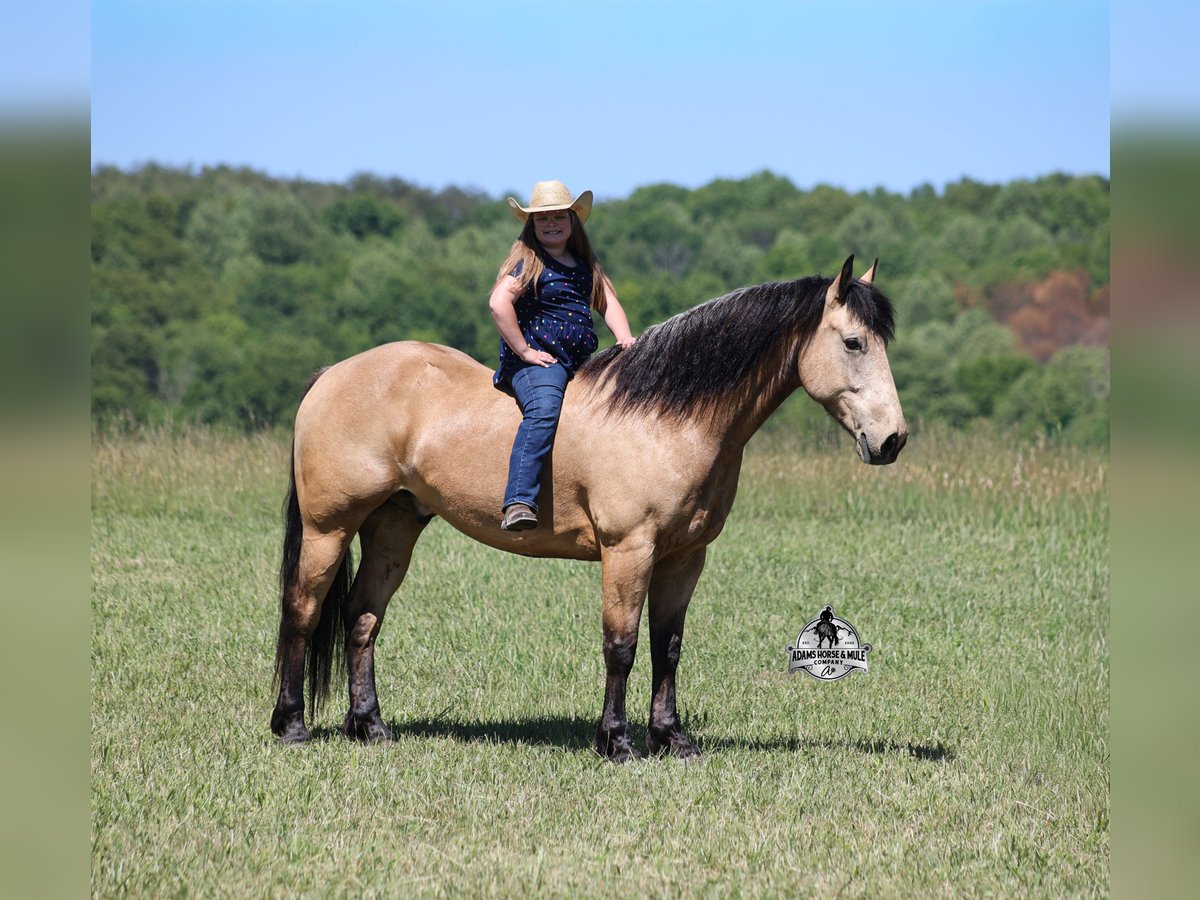
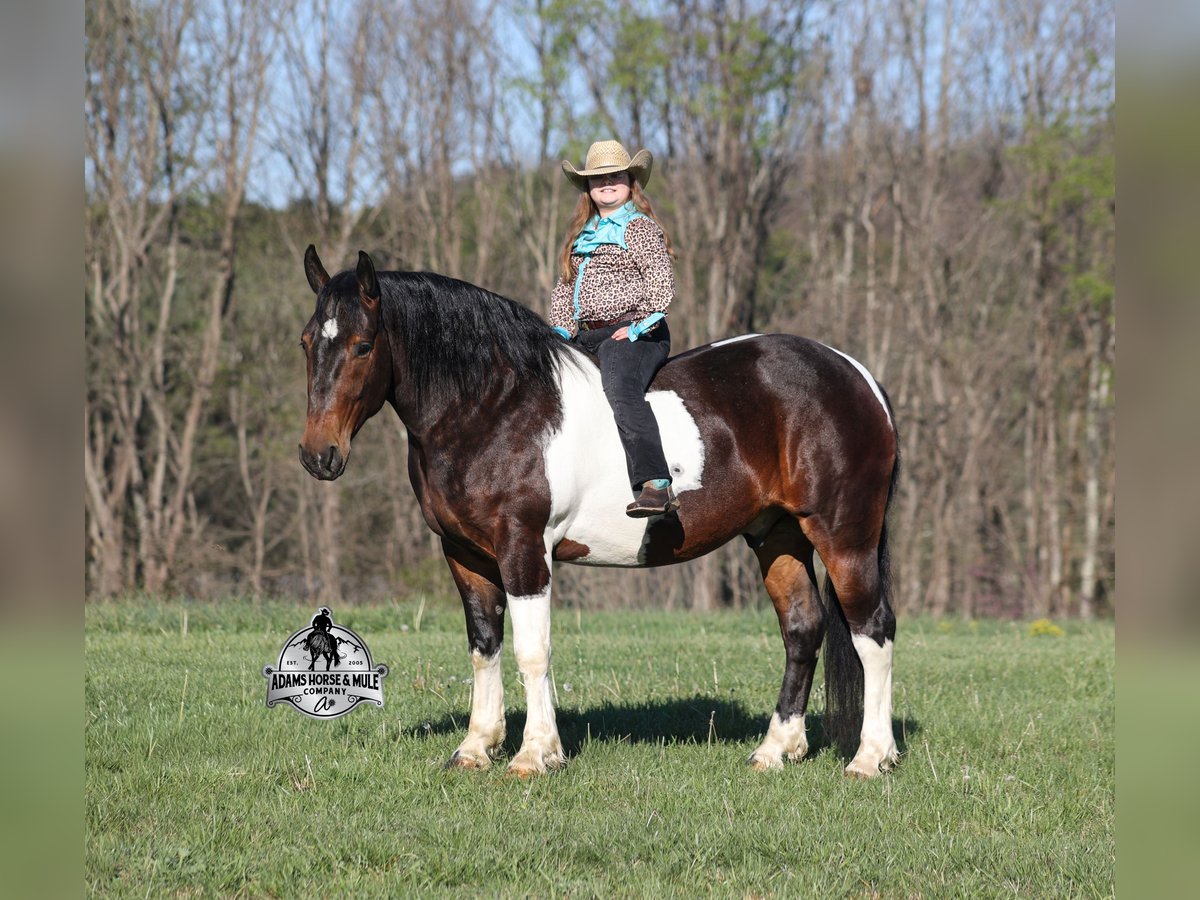
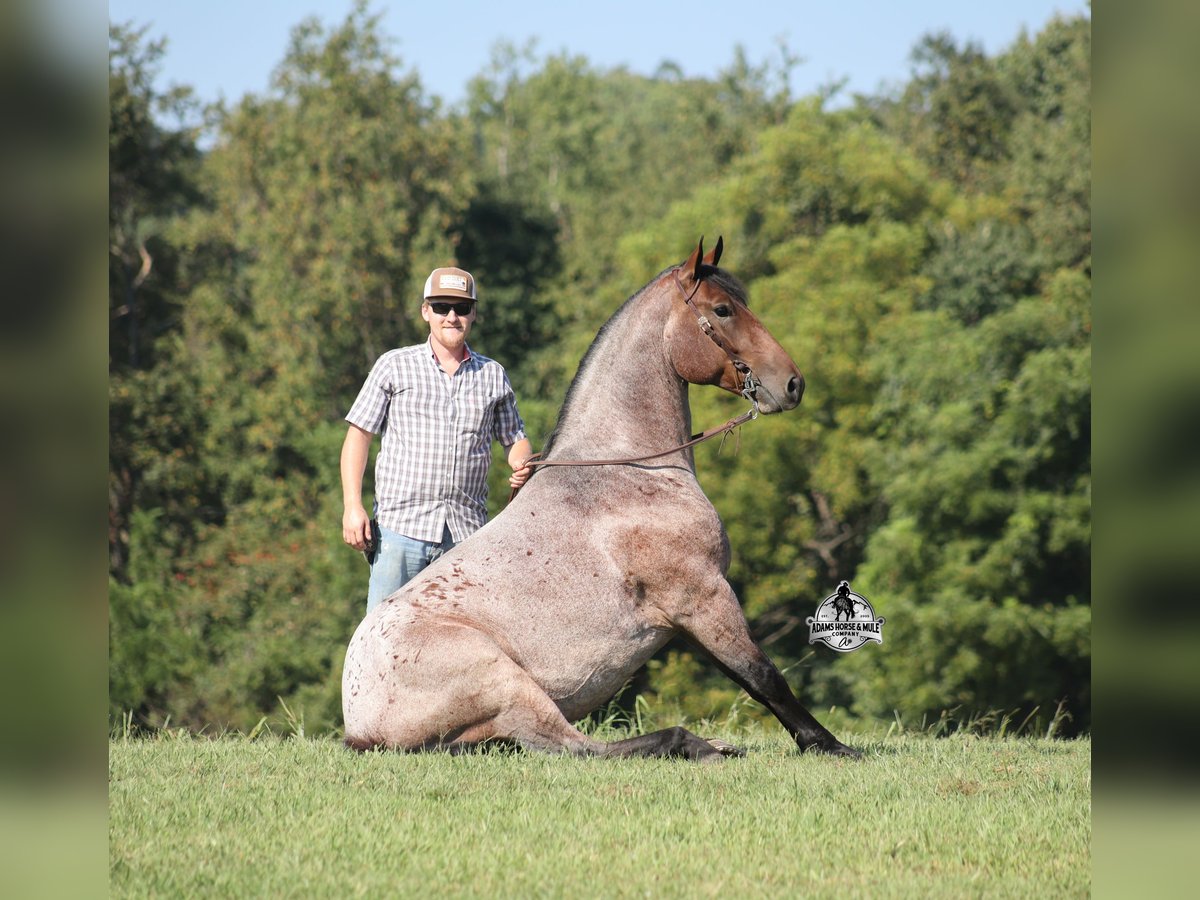
What basic data should be included in the ad?
The basic data is the foundation of your advertisement. It allows interested parties to immediately filter whether your horse is right for them. Therefore, these details are mandatory:
- Breed and Breed Registry/Society
- Age and Gender
- Height (Hands/cm)
- Color
- Location of the horse
- Asking price
Why are details and honesty so important?
The more detailed your description of the horse’s level of training and character, the fewer unsuitable enquiries you will receive. The bottom line is: Be honest. Concealing defects almost always leads to the sale falling through during the trial ride or after the purchase, which means unnecessary stress for both you and the horse.
Describe precisely which disciplines the horse is trained for and what traits it shows in daily handling. The more information you provide, the better buyers can assess whether they can meet your horse’s requirements.
How do you draft the perfect ad text?
The headline is your most important “”hook.”” It determines whether a user clicks on your ad or keeps scrolling. Choose an emotional yet professional phrasing that captures the essence of your horse, for example: “”Beautiful 5-year-old dressage mare with an outstanding gallop.””
In the description itself, avoid abbreviations like “”StPr.”” for State Premium Mare. Not every buyer is familiar with technical equestrian jargon, and misunderstandings cost time. In addition to successes and character, mention the reason for the sale. This builds trust.
The title as the primary eye-catcher
The title is the first point of contact. Use the most relevant keywords here, such as breed, age, training level, or a special talent (e.g., “”Reliable Schoolmaster”” or “”Dressage Prospect with Potential””). Avoid overly creative names or using only capital letters, as this often appears unprofessional.
A meaningful description
In the description, you tell your horse’s story and back up the hard facts with character details. Use an honest listing description to specifically build trust and avoid mismatched sales. A clear structure with paragraphs and bullet points helps the reader quickly grasp the most important benefits.
The importance of pedigree
For many buyers, especially in the sport and breeding sectors, the pedigree is a decisive quality feature. A complete pedigree signals professionalism and allows experts to draw conclusions about the horse’s potential and temperament. Include at least two to three generations to professionally enhance the attractiveness of your listing.
A listing is the sum of hard facts and emotional presentation. Those who master both will sell their horse faster and at a better price.
Michelle
Editor at ehorses
Photos and videos for visual proof
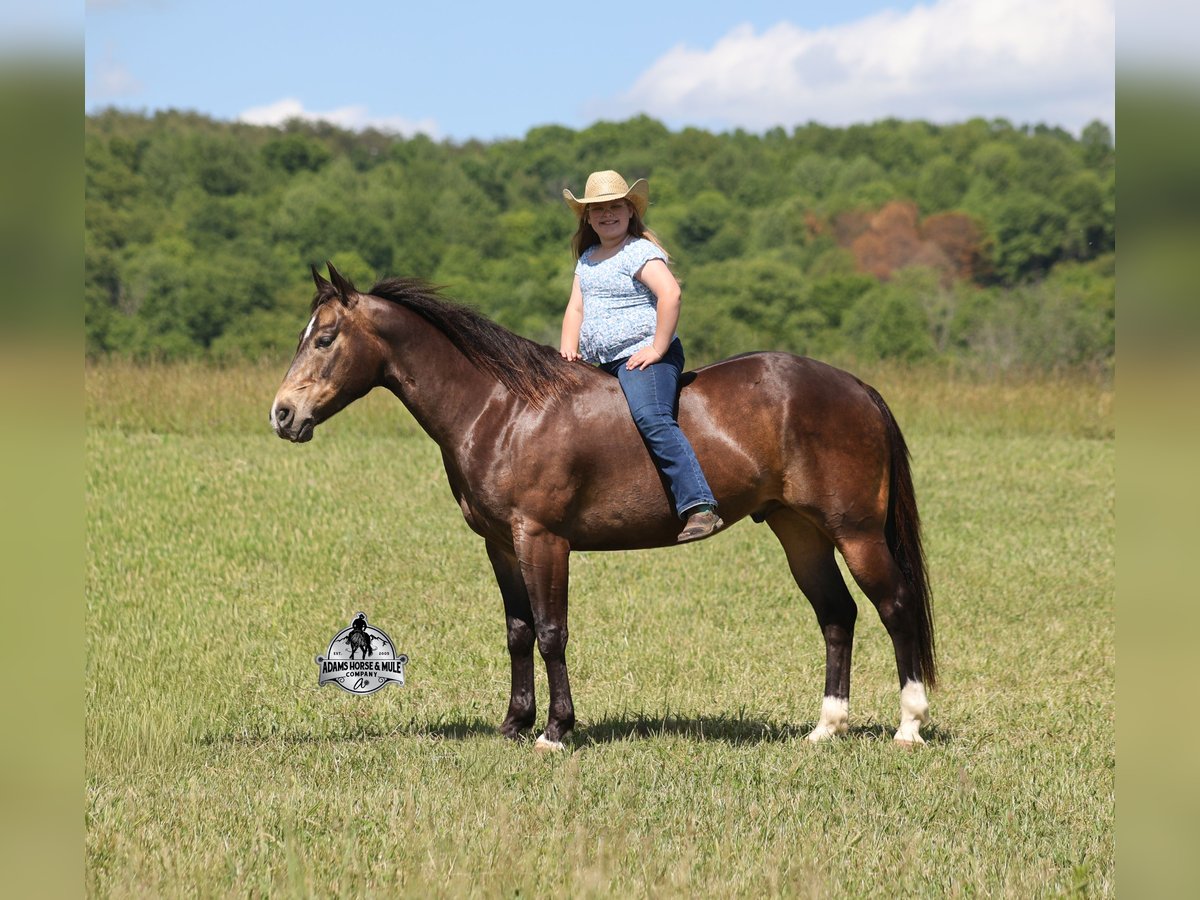
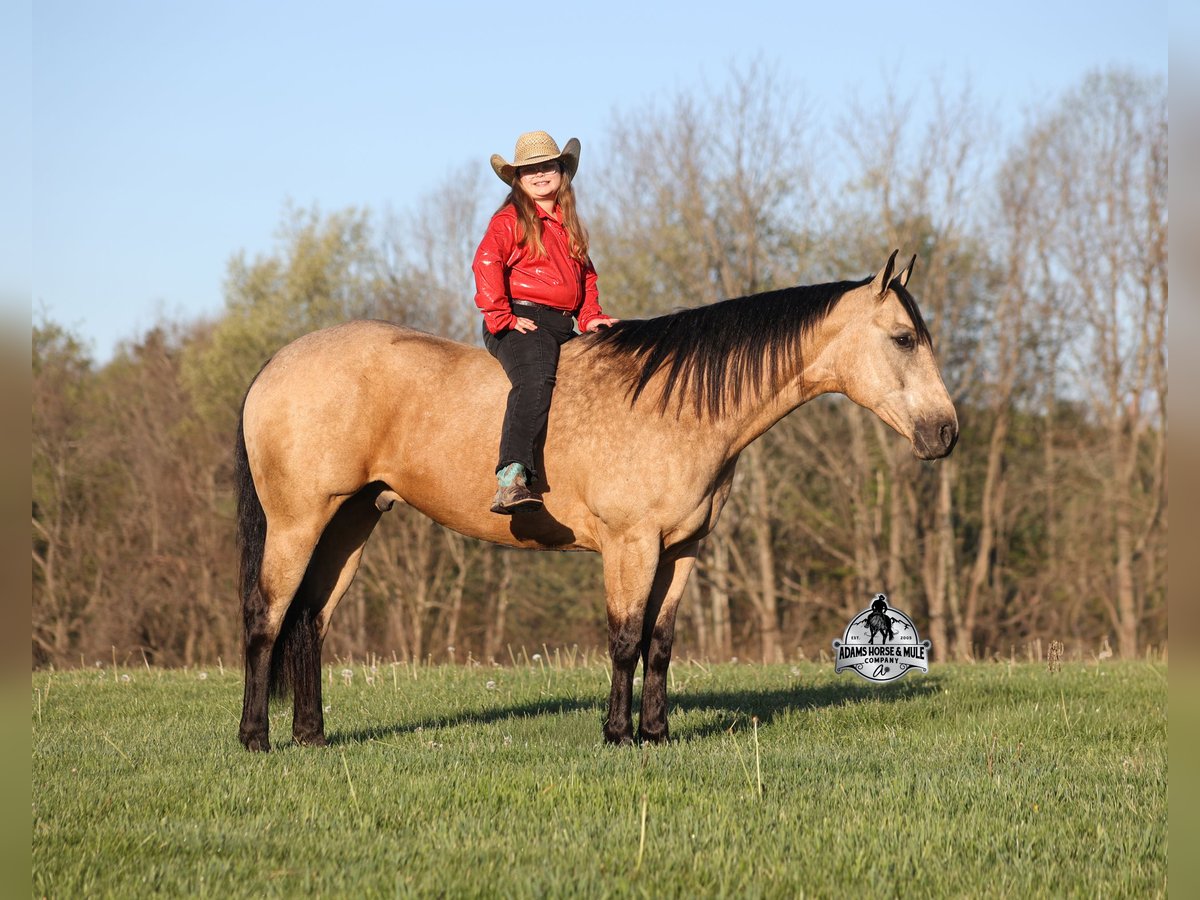
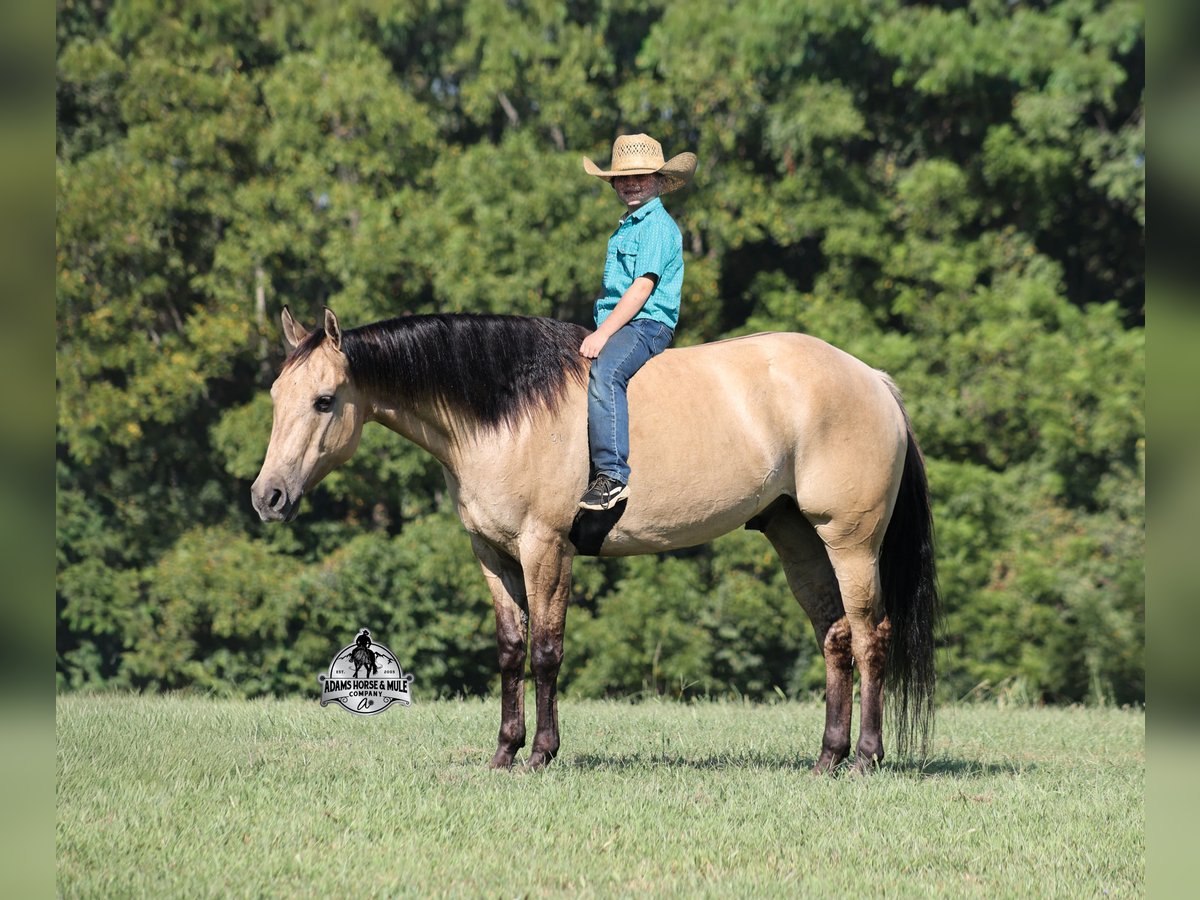
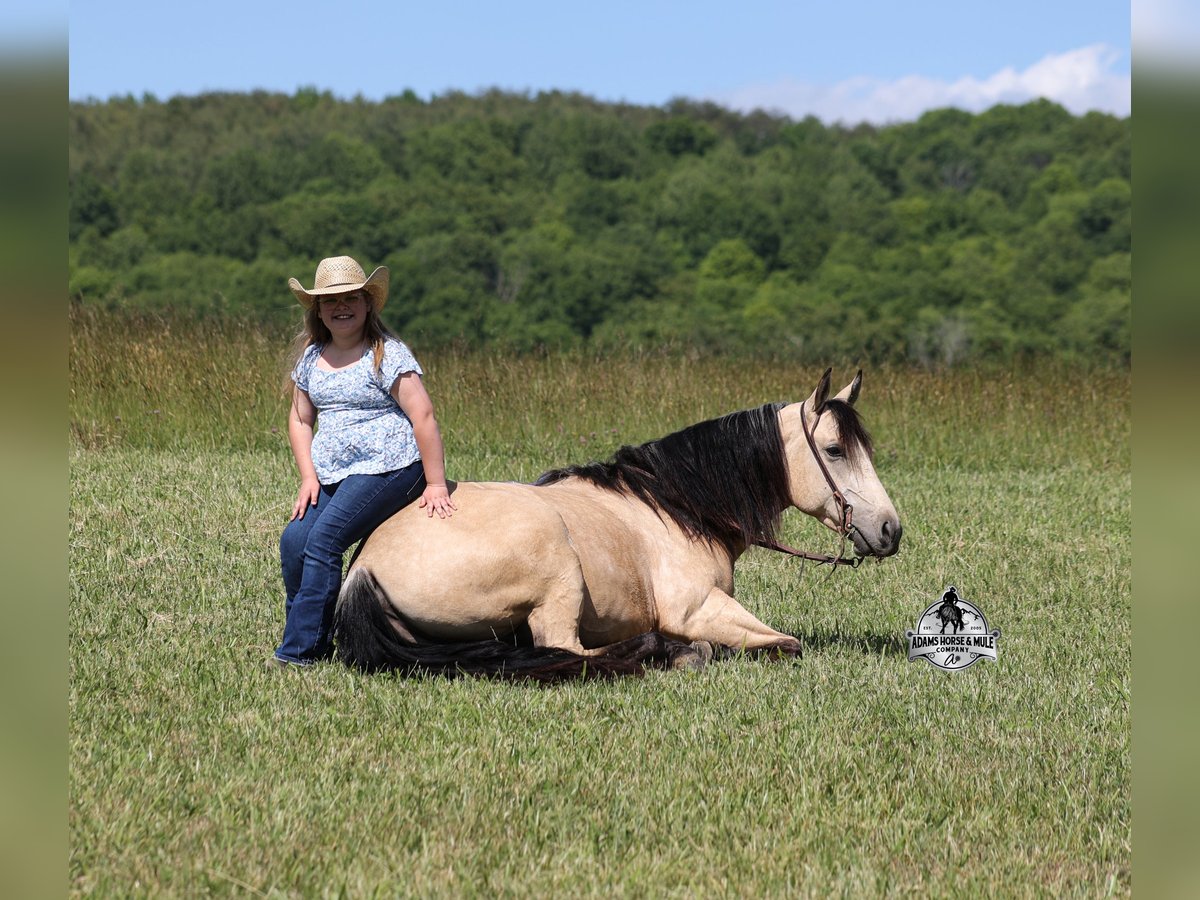
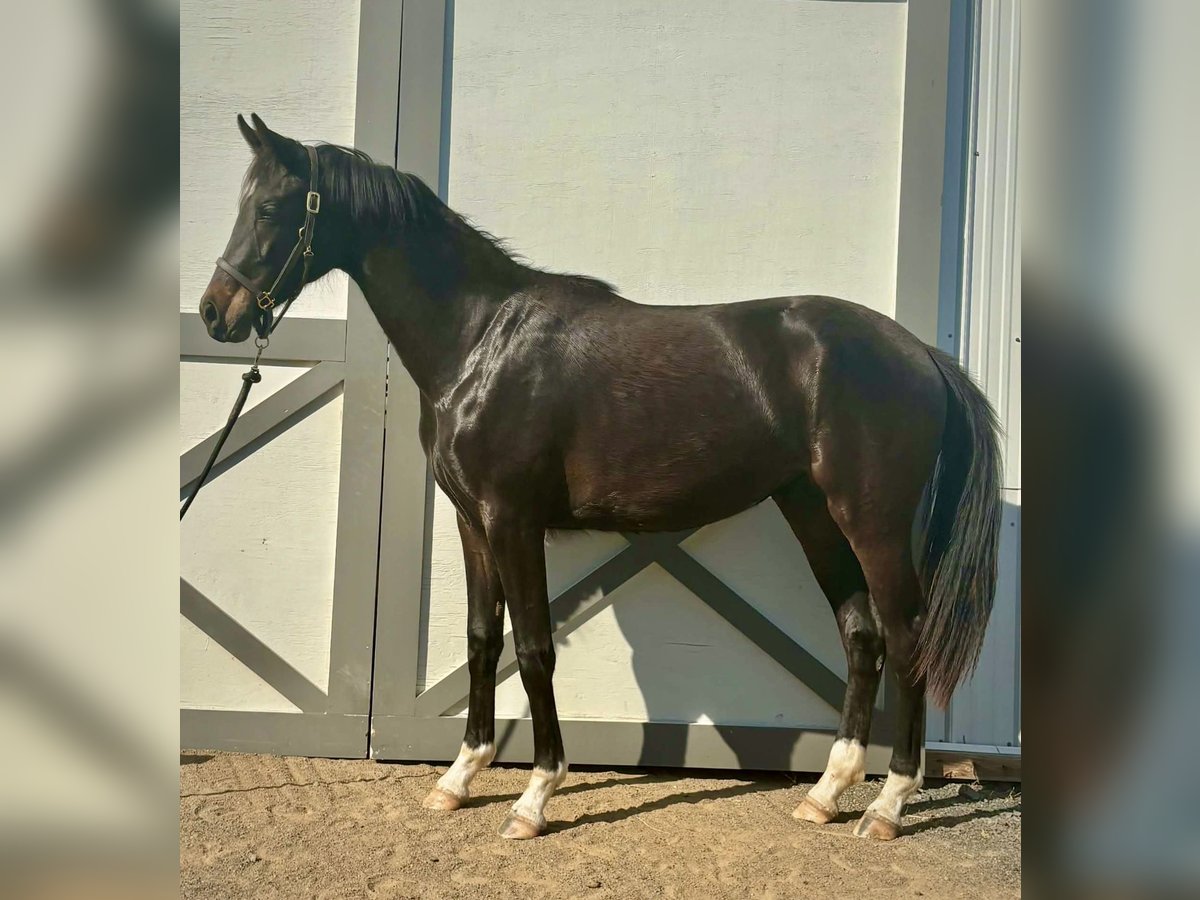
High-quality media is the most important visual confirmation of your text and serves as digital proof of rideability and conformation. Pay attention to good lighting and a clean presentation of the horse to maximize your listing’s click-through rate. A video showing all three basic gaits is now the standard for any serious listing.
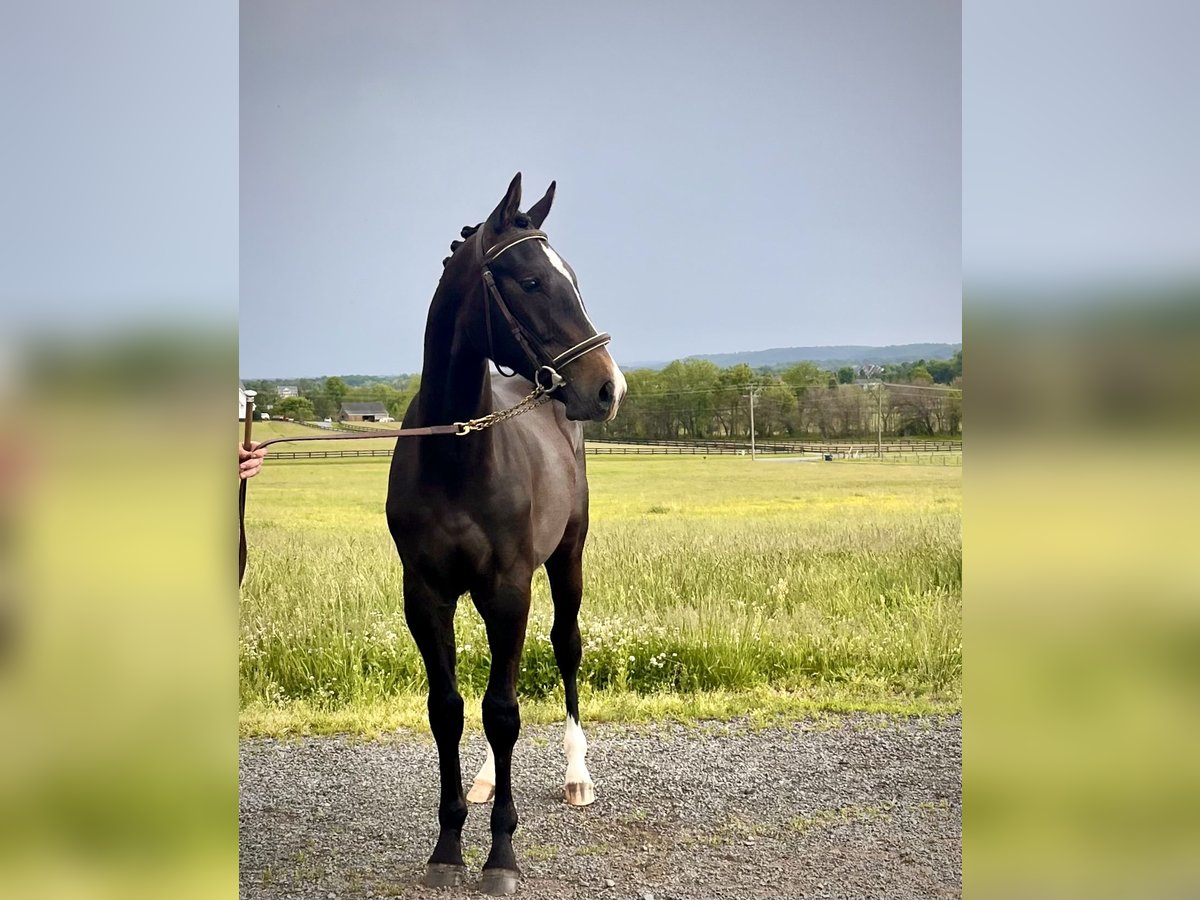
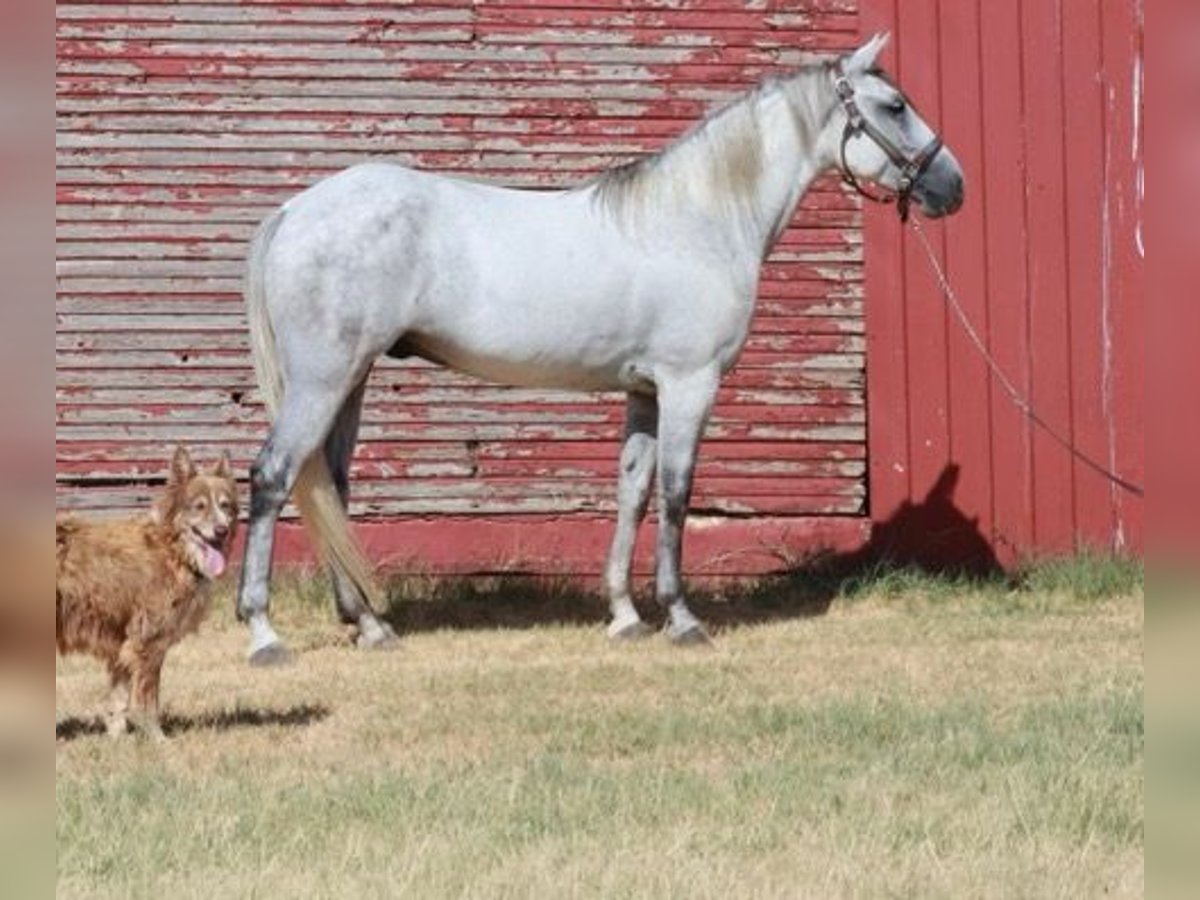
- Perspectives: Show your horse from the side, from the front, and a portrait shot.
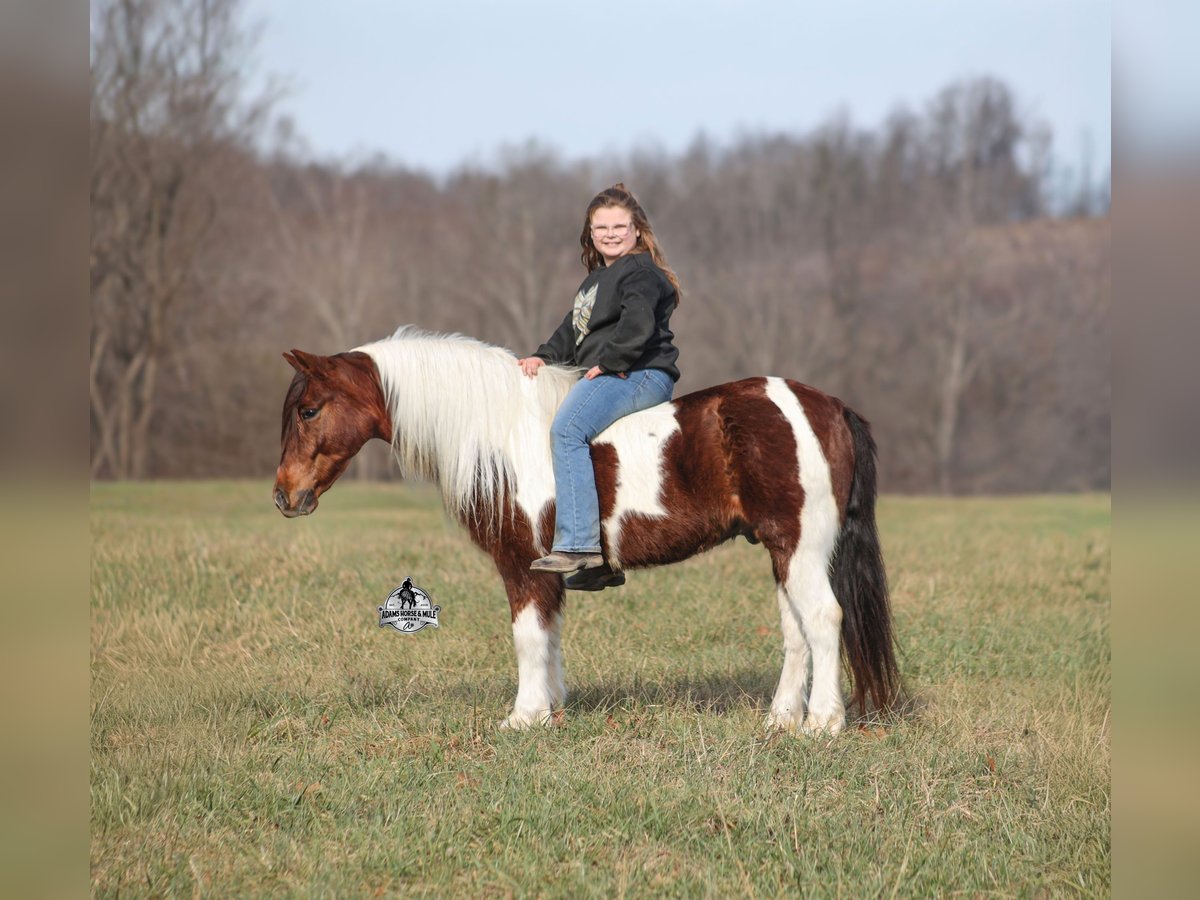
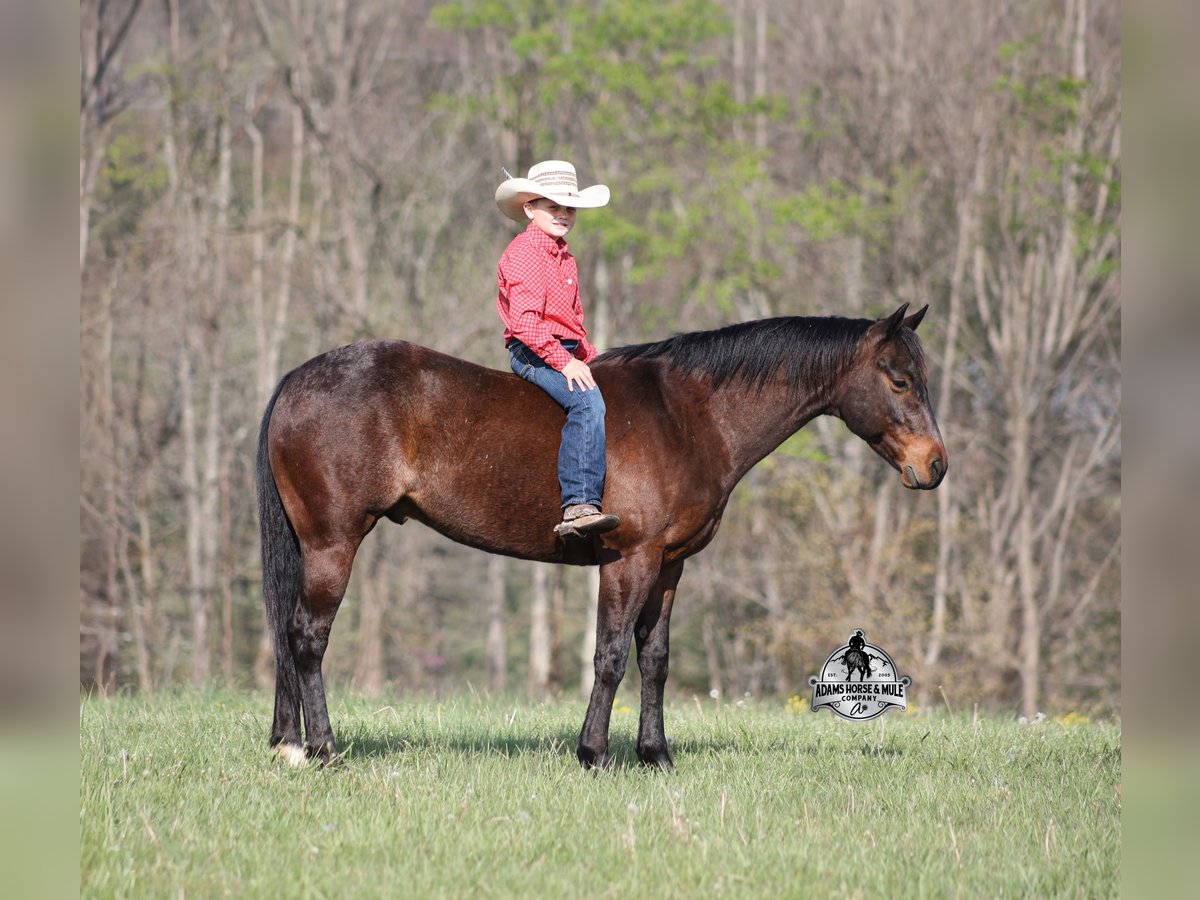
- Quality: Ensure the horse is well-groomed and the equipment is safe (riding helmet worn while riding).
- Health: The horse must appear agile and healthy in the video. Lame horses will deter interested parties.
- Sound: Upload videos with sound to platforms like YouTube and include the link, as some marketplaces default to silent play.
- Legal: Only use images that you own the rights to and obtain consent from people pictured.

Why complete core data maximizes your reach
Incomplete data causes your listing to get lost in the specific search queries of users. Many interested parties use filter functions intensively. For example, if a buyer is specifically looking for a “”Gelding between 16.2 hh and 17.1 hh,”” your horse will automatically not be listed if the data is incorrect or missing.
The completeness and accuracy of this data is therefore the most important technical factor for high visibility. Do not view these fields as a chore, but as your greatest opportunity to appear directly in front of your target group.
How do you determine the right price for your horse?
There is no universal formula for the price. The market value results from a combination of various factors:
- Pedigree and Breed
- Level of training and competition success
- Health (findings/X-rays)
- Age and Height
Maximum reach through regular updates
A static listing loses relevance over time as it drops further down the search results. Therefore, update your listing regularly as soon as your horse makes progress in training or achieves new competition success. Every update acts like a “”push”” and signals to potential buyers that the sale is active.
Pro Tip: Mark your listing as “”New””
Have you noticed the number of enquiries dropping? Use features to mark your listing as “”New.”” With this option, your ad automatically moves back to the top of the results list. This allows you to reach buyers who are only just starting their search and may have overlooked your ad before.
Is your horse looking for a new home?
You now have all the tips at your fingertips to present your horse optimally and speak directly to the right buyers. Don’t wait any longer—create your listing now and find the perfect place for your horse. We support you in making the sales process as successful and uncomplicated as possible.
- Stringhalt – A neuromuscular condition in horses
- Fungal Skin Infections: what they are and how to treat them
- Embryo transfer in horses – What are the pros and cons?
- Spanish horses – differences between the P.R.E., the Andalusian & Co.
- For more transparency – ANCCE verifies P.R.E. advertisements on ehorses
- Toxic plants for horses