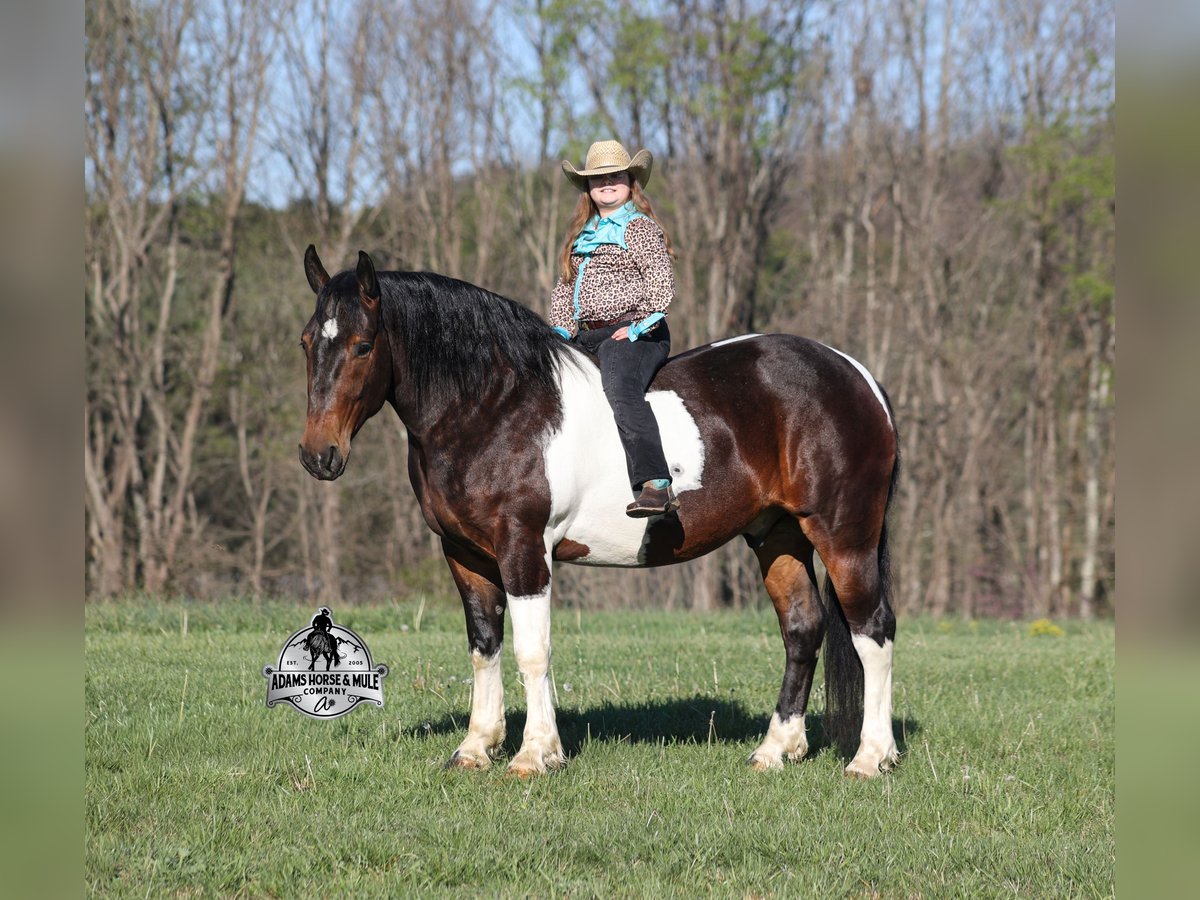
The value of a horse depends on many factors—from breed, age, and training to health, market trends, and demand. While successful competition horses command high prices, older leisure horses are often more affordable. However, performance isn’t the only thing that matters—character and seasonal fluctuations also play a role. In this article, you will learn which criteria influence the price, which methods are used for valuation, and how to set a realistic price.
Factors that influence a horse’s value
Breed and Pedigree
The breed significantly influences a horse’s market value. In-demand or rare breeds, as well as horses with first-class pedigrees, achieve higher prices. Offspring of successful sport horses or renowned breeding lines are particularly sought after.
Common breed types and pricing:
- Warmbloods (e.g., Hanoverian, Oldenburg): Highly sought after for dressage and show jumping—well-trained horses achieve high prices.
- Thoroughbreds (e.g., English Thoroughbred, Arabian): Popular in racing and showing, but also interesting for ambitious leisure riders.
- Western Horses (e.g., Quarter Horse, Paint Horse): Prices vary greatly depending on the discipline and level of training.
- Ponies (e.g., German Riding Pony, Welsh Pony): Sport ponies with a competition record are expensive, while leisure ponies are often more affordable.
Age & Training: Young, well-trained horses cost more
Age and training level have a major impact on value. The ideal age for selling is usually between 4 and 10 years old—by this stage, horses are typically well-educated.
General benchmarks:
- Foals & Youngsters (0–3 years): Price depends heavily on pedigree and future potential.
- Sport Horses (4–10 years): Horses with a competition record achieve high prices. Success in higher classes increases the value further.
- Older Horses (15+ years): Often cheaper, unless they are healthy “”schoolmasters”” with outstanding training.
Health Status & Veterinary Examinations
A horse’s health plays a decisive role in valuation. A completely healthy horse is more resilient, capable, and often finds a new owner faster. Conversely, illnesses or old injuries can lower the price, especially if they affect the rideability or well-being of the horse.
To obtain a reliable assessment, a Pre-Purchase Exam (PPE)—often referred to as a “”TÜV”” in Germany—is helpful. It provides information about potential health limitations and offers security for both the buyer and the horse.
Types of PPE:
- Basic Clinical Exam: Checks heart, lungs, movement, and joints. Cost: €150–€300.
- Comprehensive Exam: Includes X-rays and potentially blood tests; recommended for sport or breeding horses. Cost: €400–€1,500.
Success & Competition Results
Competition results increase value significantly as they prove quality and potential. As a rough guide (based on European levels):
- A-Level (Novice): Success increases the price by €5,000–€10,000.
- L-Level (Elementary): Price increase of €10,000–€20,000.
- M-Level (Medium): Value increase of €20,000–€50,000.
- S-Level (Advanced/PSG+): Successful horses can cost €50,000–€150,000 or more.
Top horses in international sport often reach prices exceeding €150,000.
Character & Handling
It’s not just physical traits that determine value; character plays a vital role. Calm and composed horses are in high demand because they provide safety, often leading to higher prices. Sensitive or “”hot”” horses are better suited for experienced riders. Horses with behavioral issues are harder to place and are usually offered at lower prices as they require more training and patience.
Methods for determining value
How much money can you ask for your horse? The price is best determined through market comparisons, expert assessments, or professional appraisals.
1. Comparison with similar horses on the market
A simple method is to look at other horses for sale. Look for breed, pedigree, age, training, discipline, and health status to find comparable listings.
2. Assessment by experts
Vets check the health status, breeders assess value based on pedigree and market trends, and trainers judge the training level and potential. Experienced professionals usually have a good feel for realistic market values.
3. Professional Appraisals
For insurance, inheritance, or legal cases, a professional appraisal may be required. This involves a detailed evaluation and a comprehensive market analysis to create a neutral, documented valuation.
Typical price ranges & market trends
| Discipline | Typical Price Range |
|---|---|
| Leisure Horses | €3,000 – €10,000 |
| Dressage & Jumping | €10,000 – €50,000+ |
| Western Horses | €5,000 – €30,000 |
| Eventing Horses | €10,000 – €40,000 |
| Racehorses | €20,000 – €1,000,000+ |
| Ponies | €1,500 – €20,000 |
Regional & Seasonal Fluctuations
In equestrian hubs like Germany or the Netherlands, prices are often higher. Seasonality also matters: prices rise in Spring and Summer when people are actively looking for a new partner. In Autumn and Winter, buying interest drops slightly, often leading to better deals.
Tips for realistic pricing when selling
- Negotiation Room: If you want €10,000, it is wise to list the horse for €10,500 or €11,000 (O.N.O. – Or Nearest Offer).
- Set a Minimum Price: Decide on your “”walk-away”” price beforehand.
- Optimise Presentation: Professional photos and videos significantly increase perceived value.
- Honesty creates trust: Don’t hide health issues; they will likely come out during the PPE.
The Pricing Formula
For a rough orientation, you can use this formula:
Base Value + Training Value + Health Value + Market Adjustment = Selling Price
Example Calculation:
- Base Value: €5,000
- Training Value (L-level): +€7,000
- Health Value (Clean PPE): +€2,000
- Market Adjustment: +€3,000
- Potential Selling Price: €17,000
Conclusion
The value of a horse isn’t just measured in numbers. While objective traits like competition success or a clean vet check increase the price, it is often the subjective qualities—like temperament and the “”click”” between horse and rider—that decide if a horse finds the right home.
A fair, transparent price doesn’t just increase the chances of a successful sale; it ensures the horse finds its perfect human—someone who values and cares for it long-term.
Want to create the perfect ad? Use ehorses to reach the right target group and present your horse professionally to thousands of potential buyers!
- Horse Buying Checklist – What You Need to Consider When Buying a Horse!
- For more transparency – ANCCE verifies P.R.E. advertisements on ehorses
- Horse Purchase Contract – Complete Guide
- Spanish horses – differences between the P.R.E., the Andalusian & Co.
- Embryo transfer in horses – What are the pros and cons?
- How to Register Your American Paint Horse