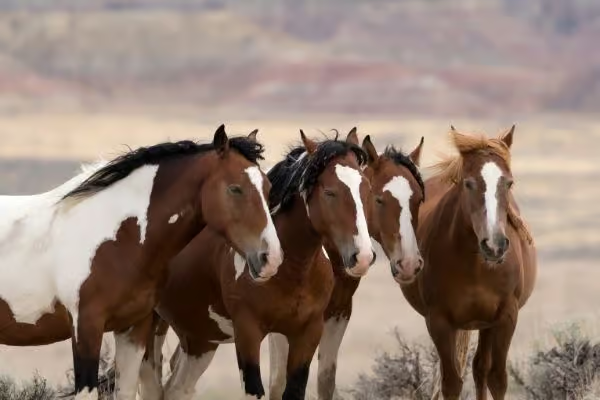
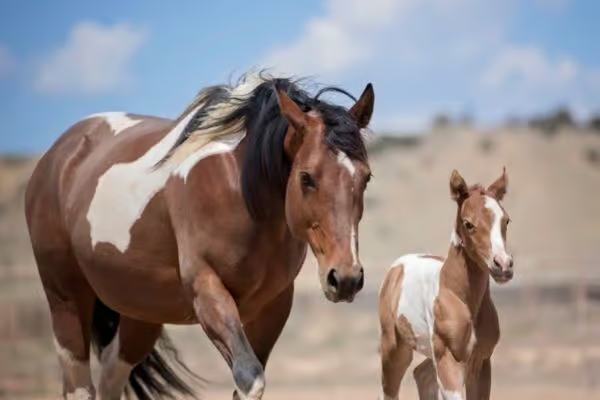
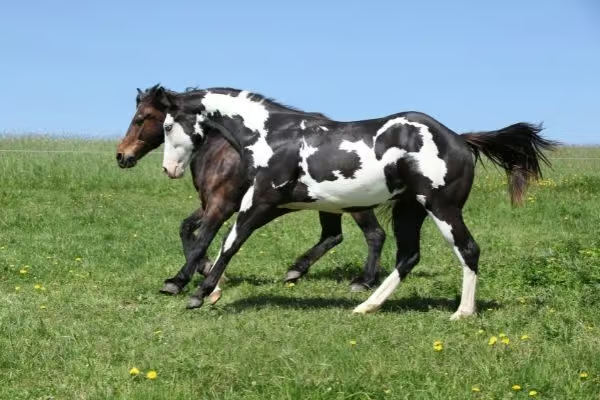
No two Paint Horses are alike, mostly thanks to their coat colors. The breed’s white pinto patterns can combine with any coat color in the equine world, from solid black to bright cremello. We’ll take you through the colorful world of the American Paint Horse, sorted by the two base coat families (red and black), and show you what makes each coat unique.
Two Base Coat Families and the Grey as a Special Case
For the American Paint Horse, every coat color falls into one of two base families: red or black. The red family ranges from chestnut to cremello, while the black family ranges from solid black to perlino. What makes them special: white pinto patterns combine with any of these colors, which explains the breed’s incredible visual variety.
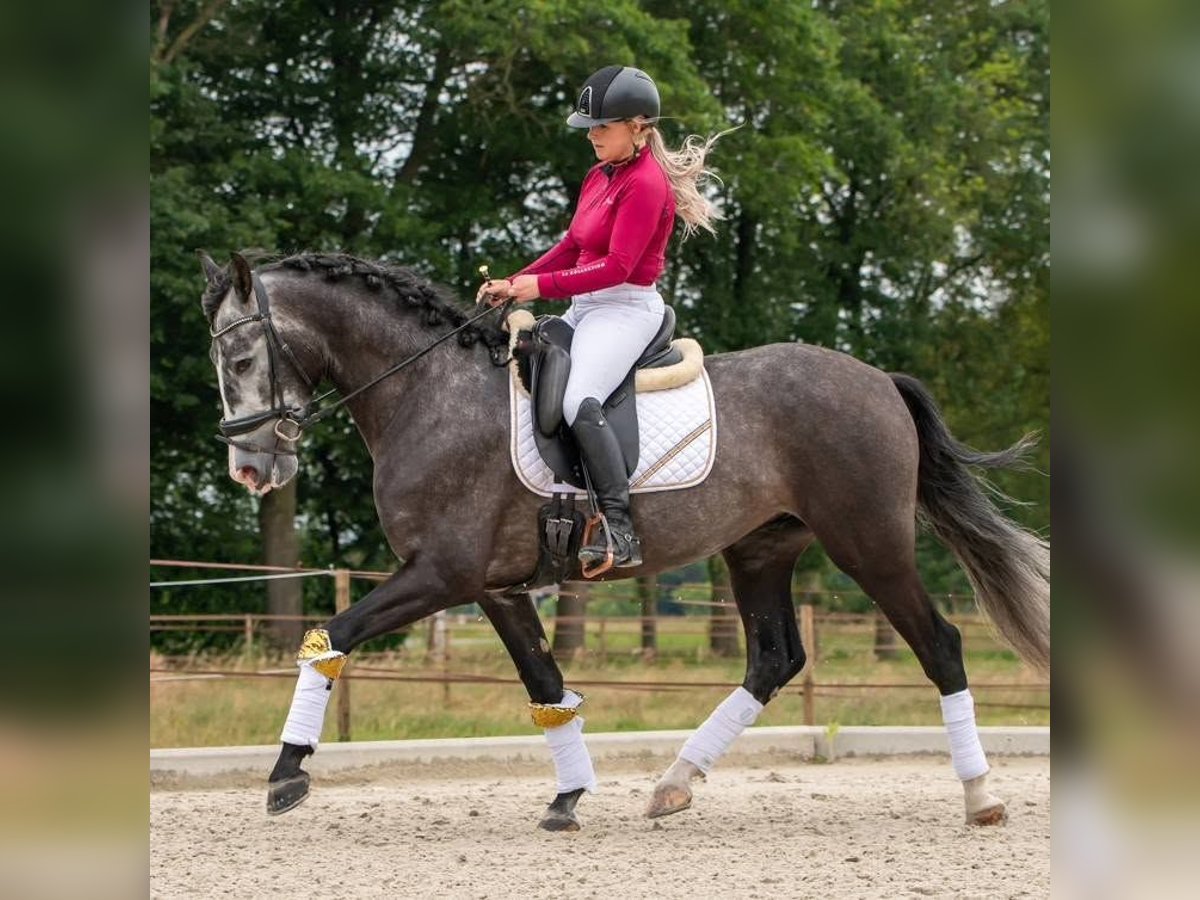
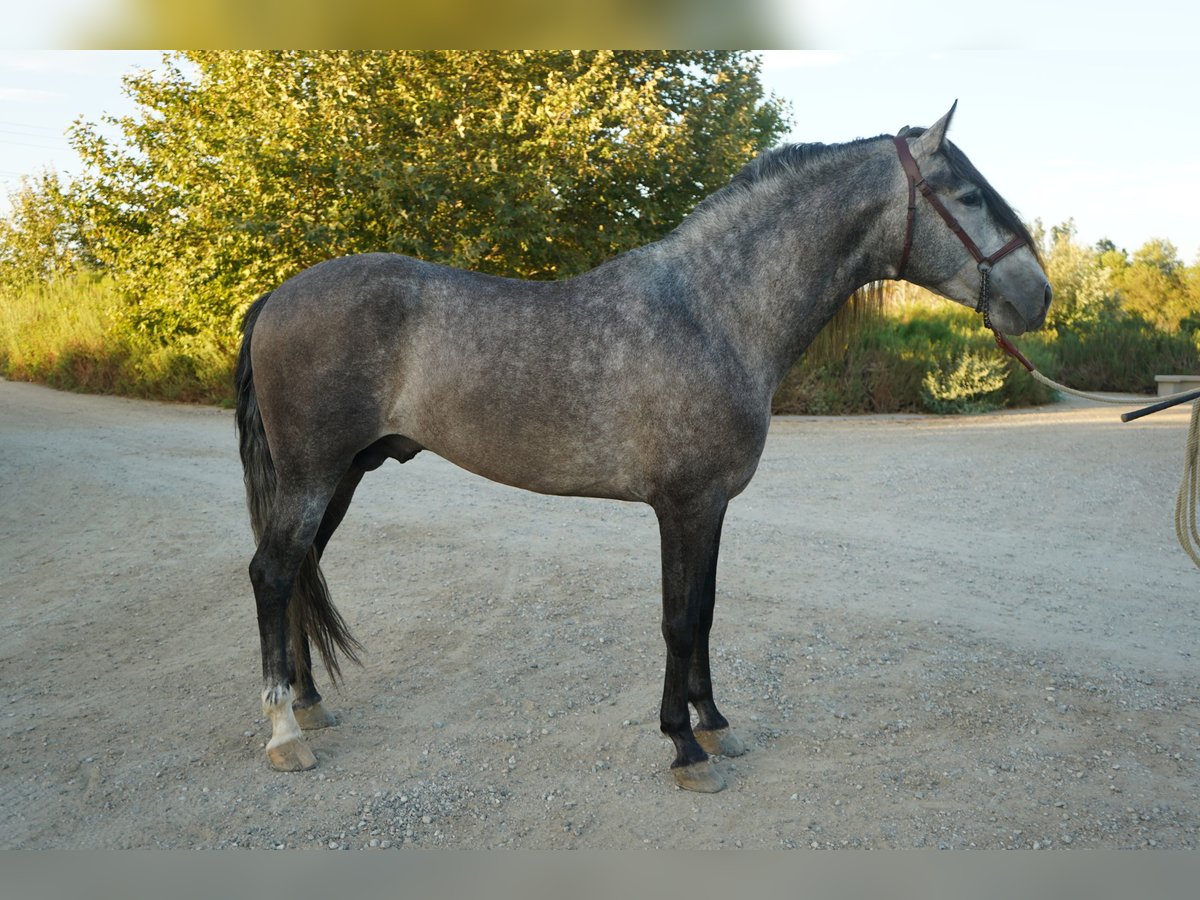
The grey is an exception. Its color inherits independently of any other coat color and can therefore occur in both families. A grey is born in any coat color and gets lighter as it ages, while the skin remains dark. Greying usually starts around the eyes and behind the ears.
How light or dark a coat ultimately appears isn’t set in stone. Weather, feed, shedding, fitness, and overall health can noticeably alter the shade.
All colors at a glance
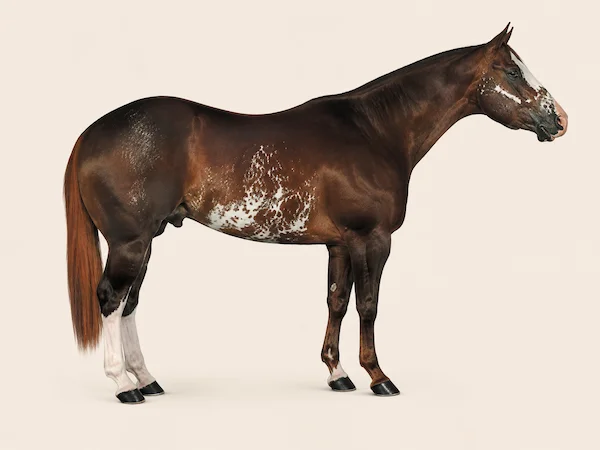
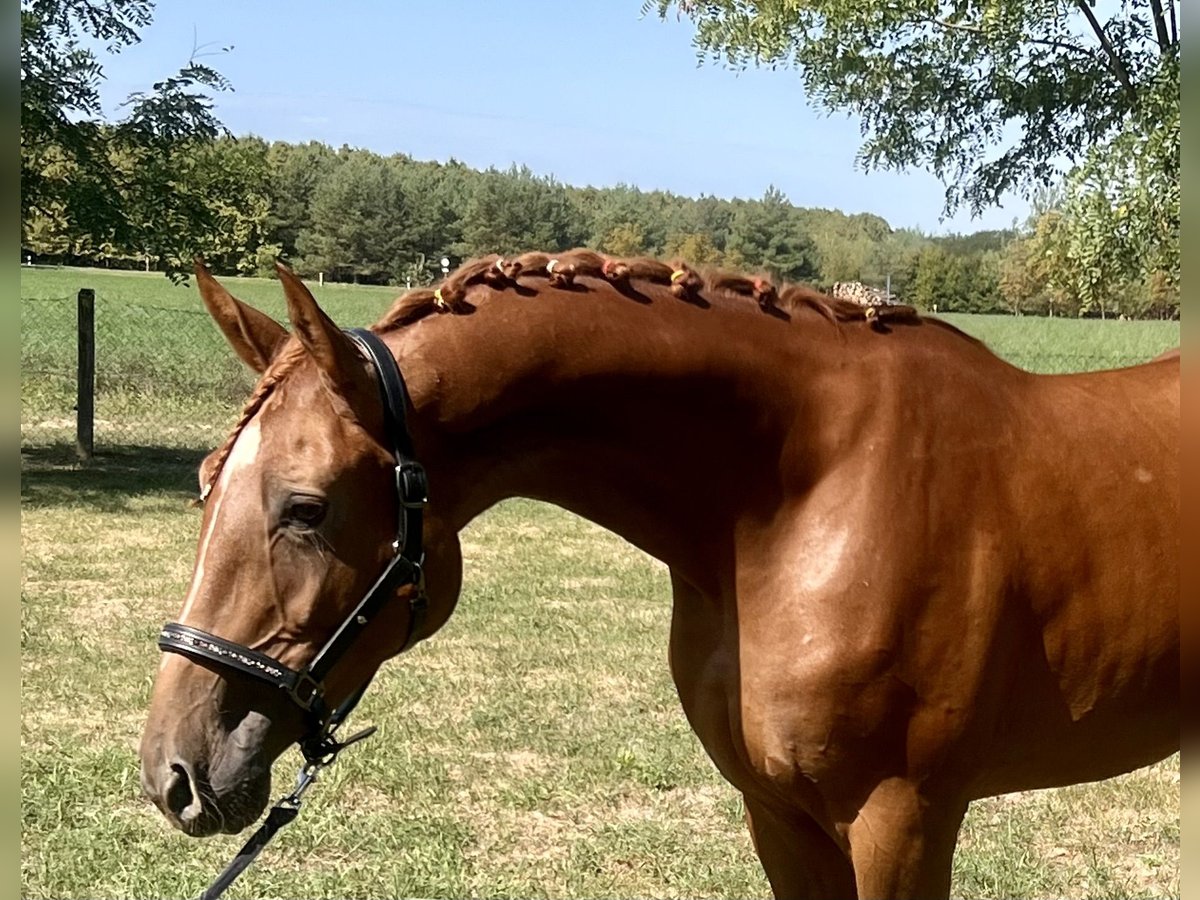
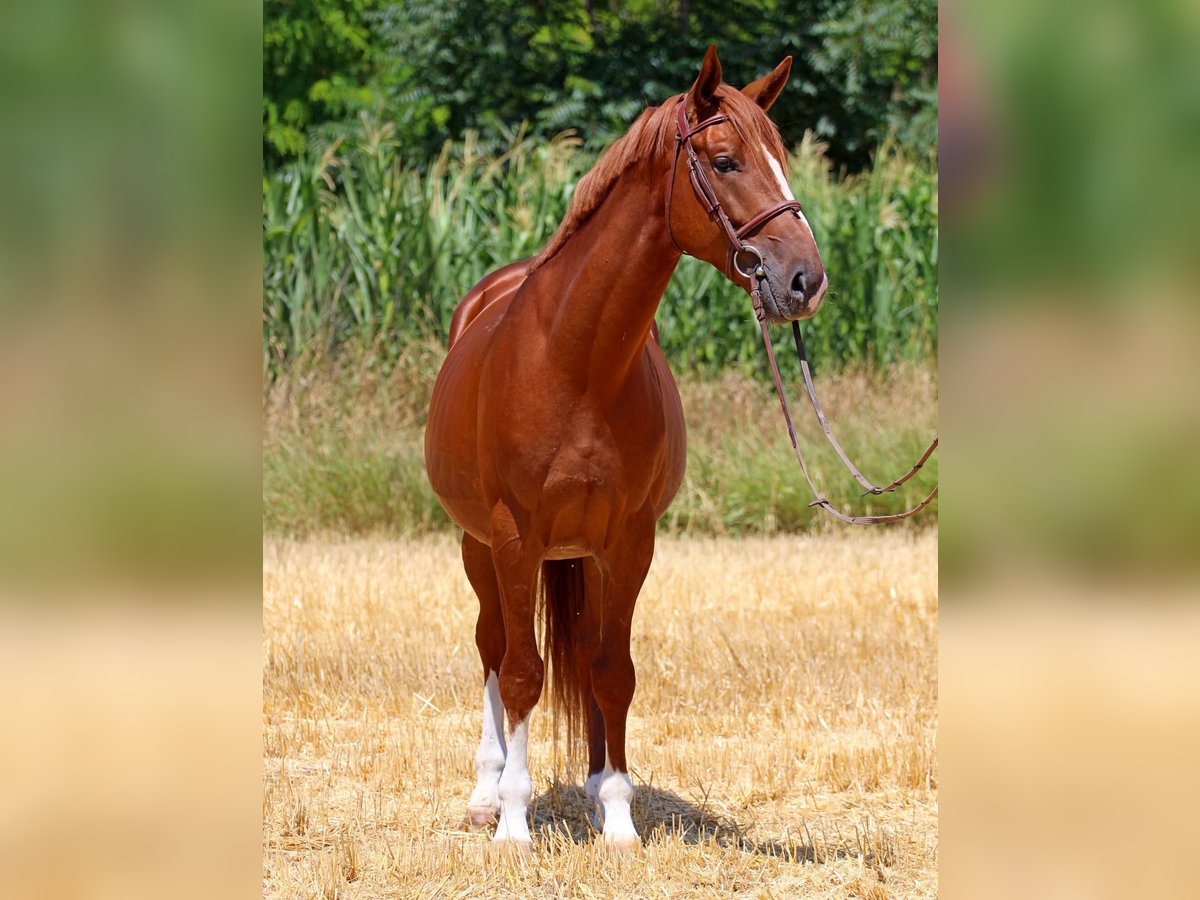
Dark red to reddish-brown coat, usually with a dark red or brown mane.
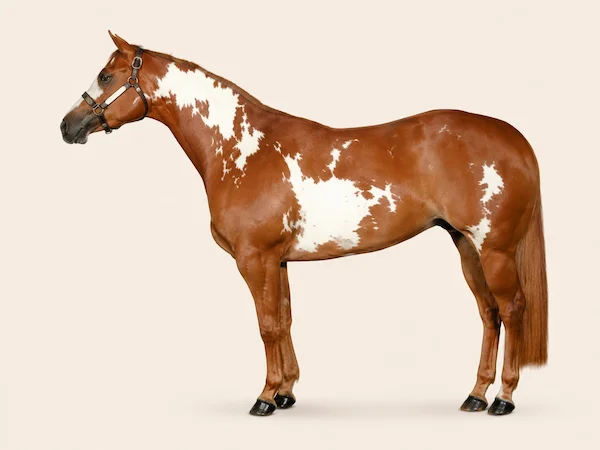
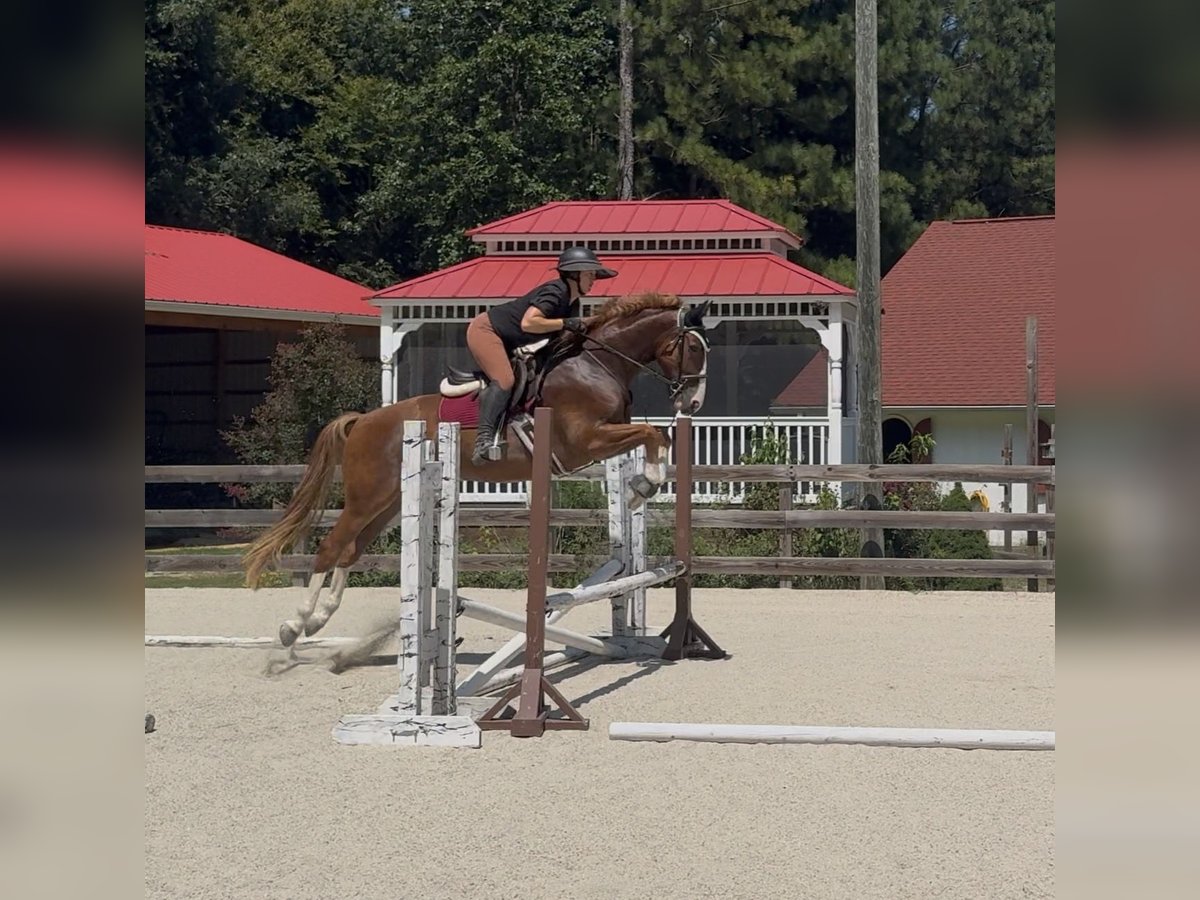
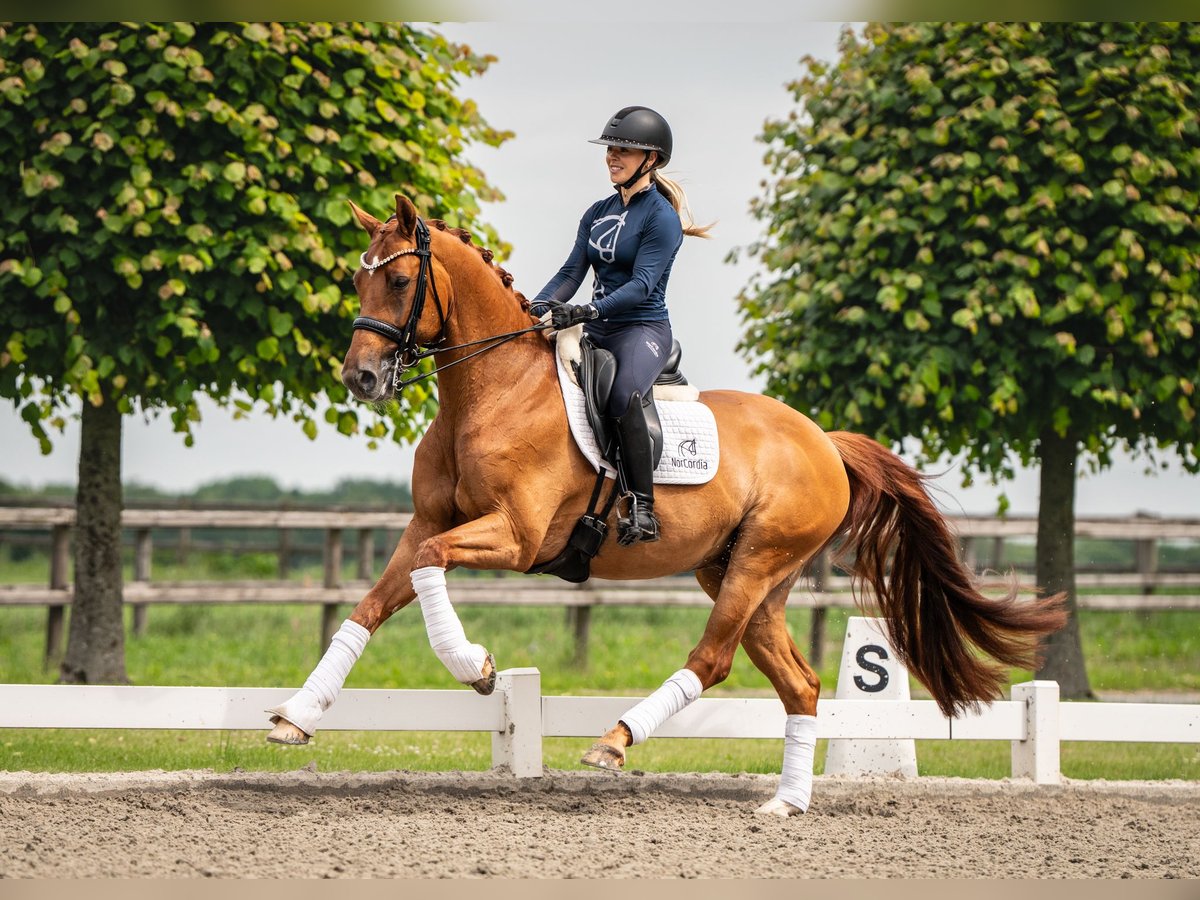
Reddish to copper-red coat, with mane and tail usually matching body color.
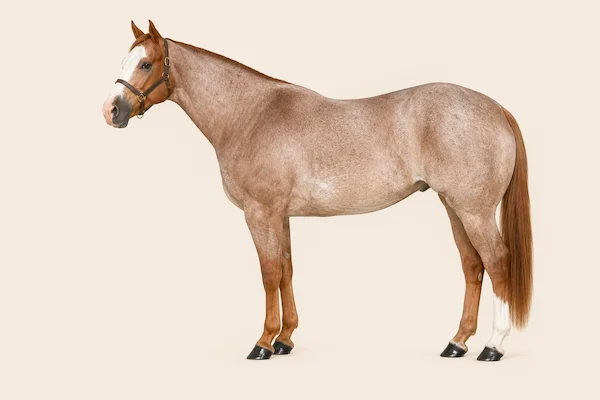
White hairs evenly intermixed in chestnut coat, does not lighten with age.
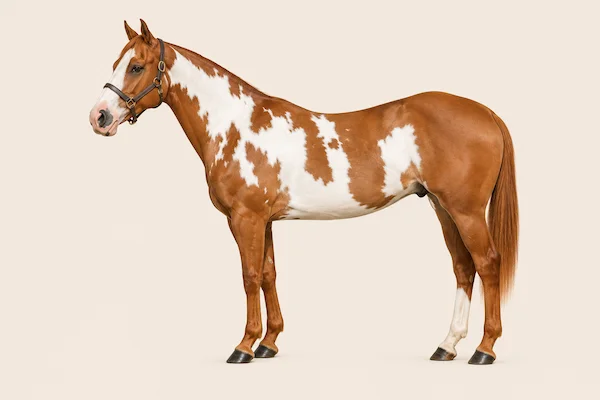
Yellowish to flesh-toned coat with reddish dun markings.
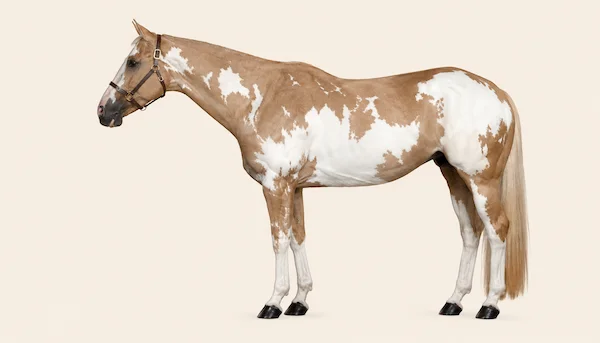
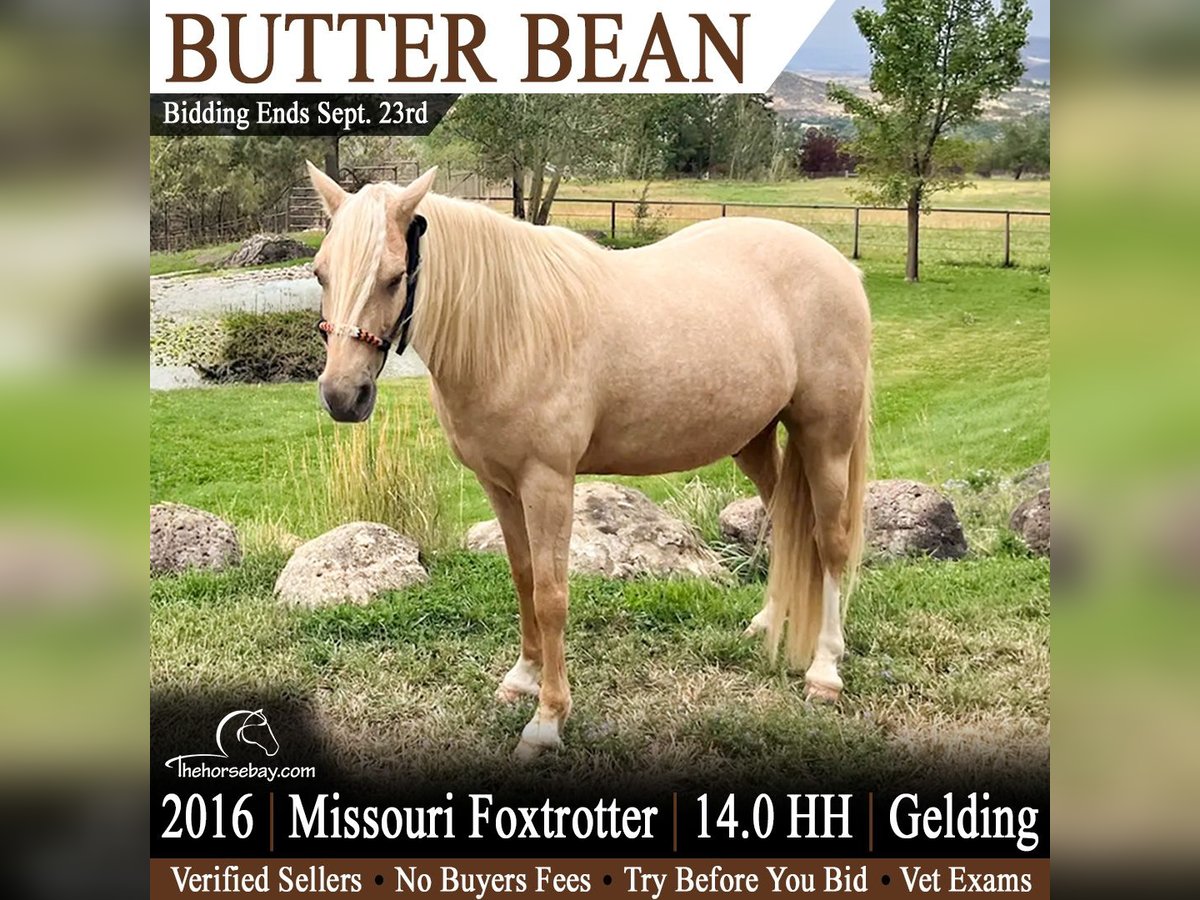
Golden to pale yellow coat with a light, almost white mane.
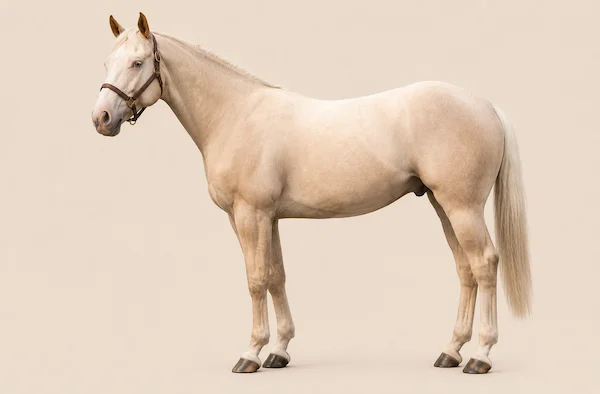
Cream-white coat with pinkish skin and blue or amber eyes.
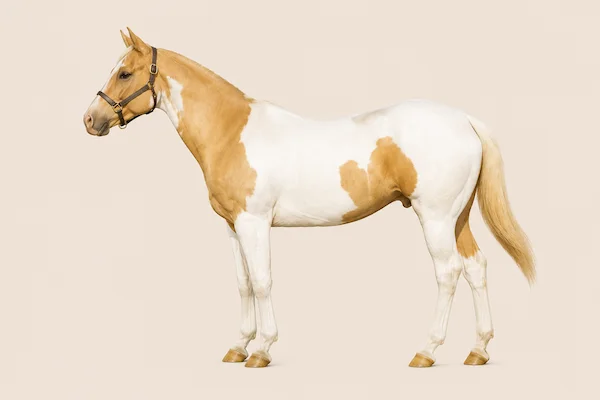
Champagne gene on chestnut: body diluted to gold, mane golden to flaxen.
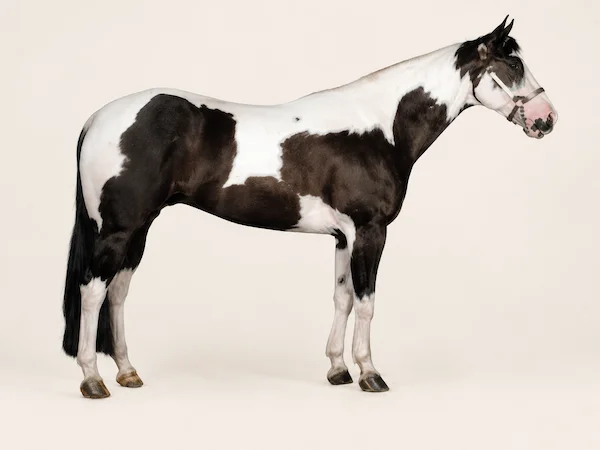
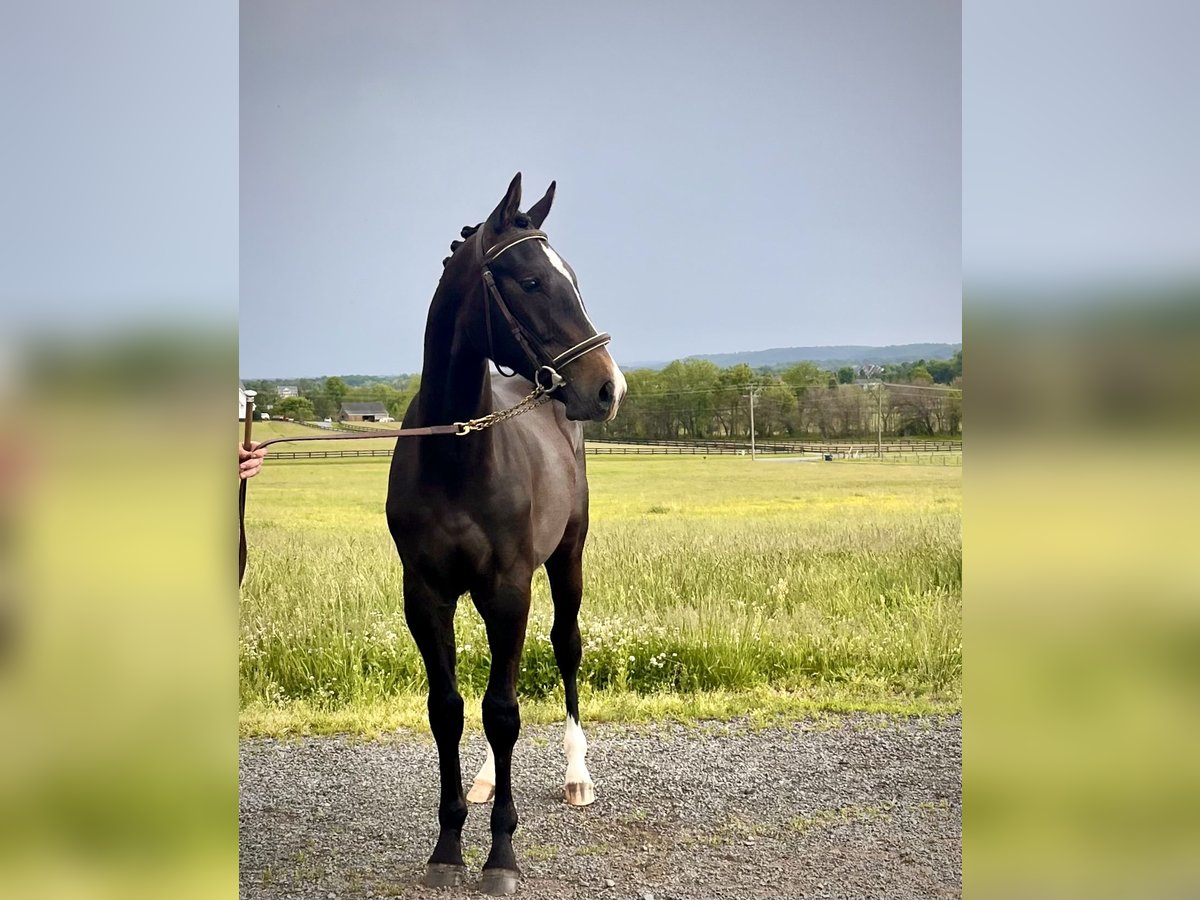
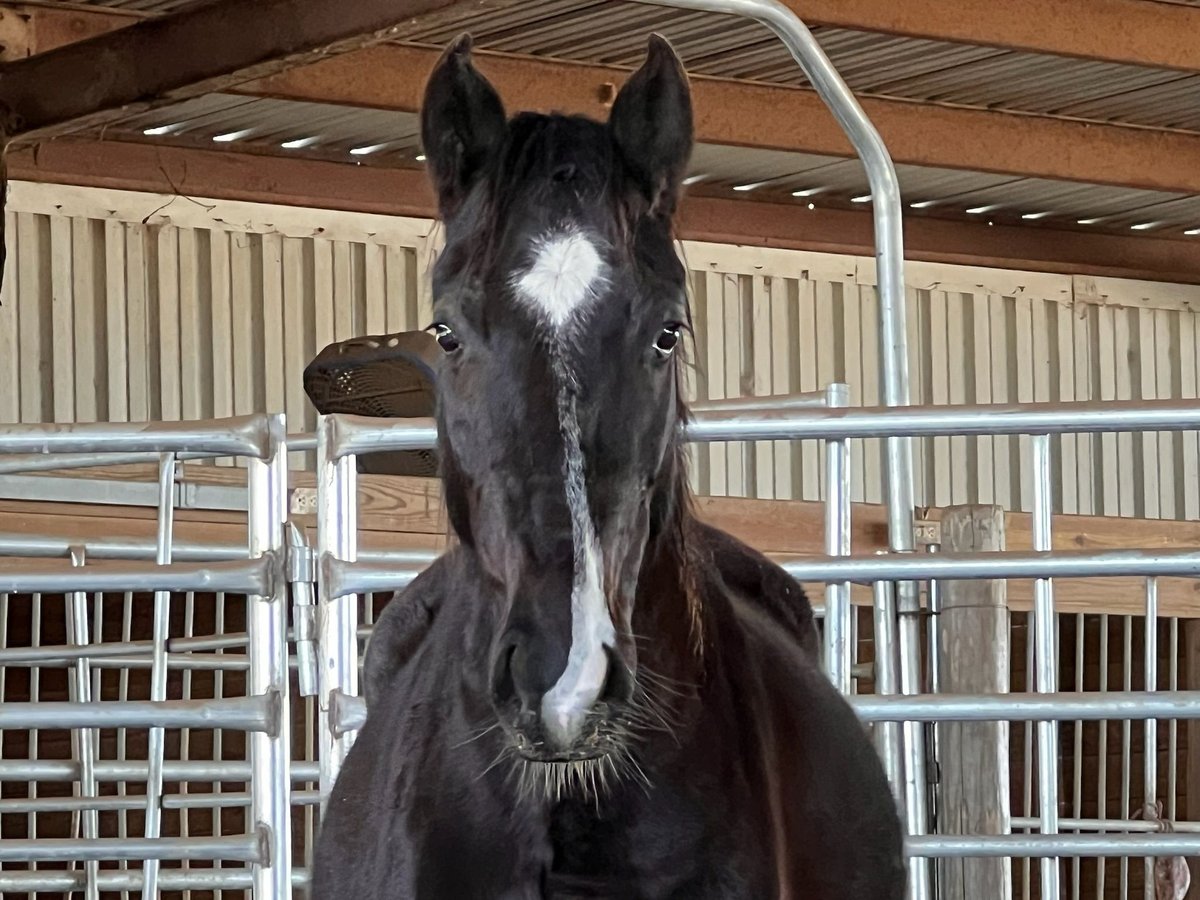
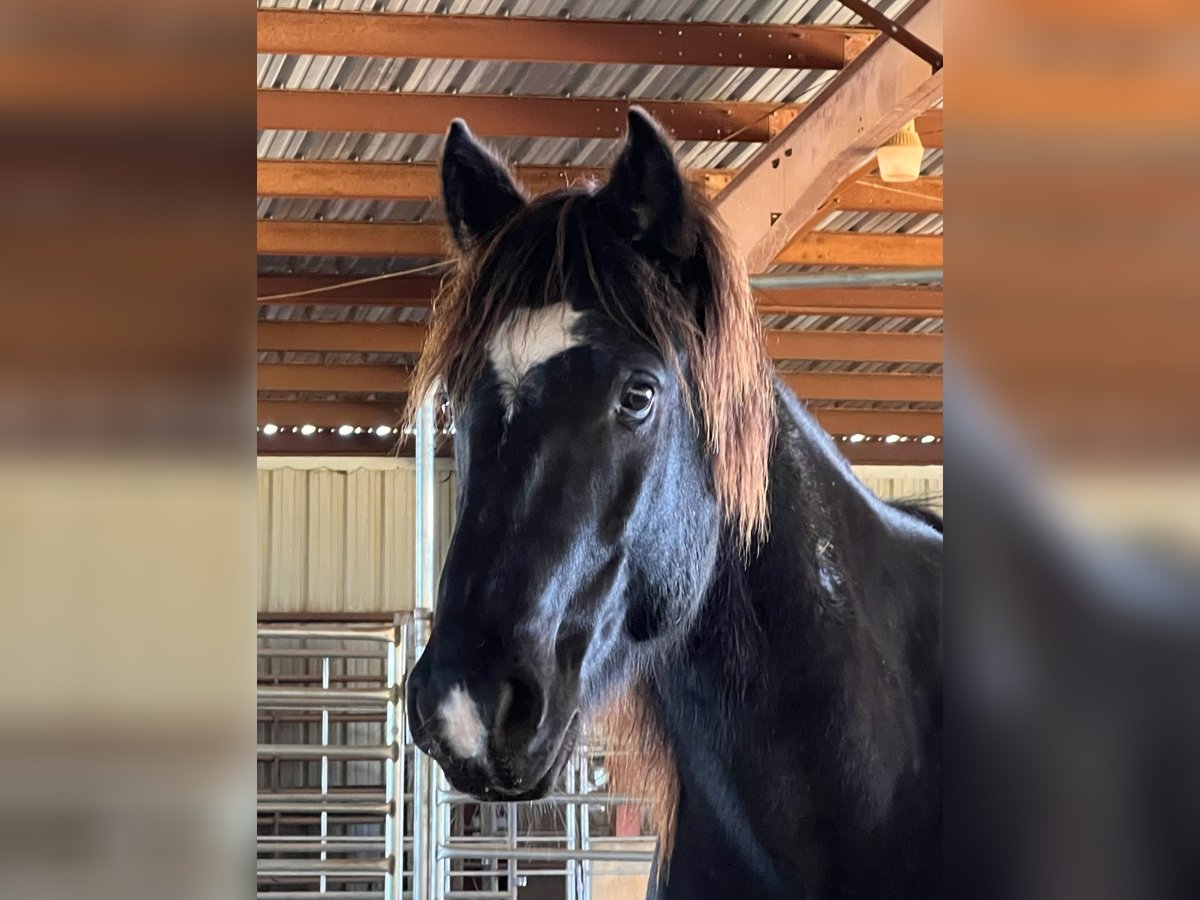
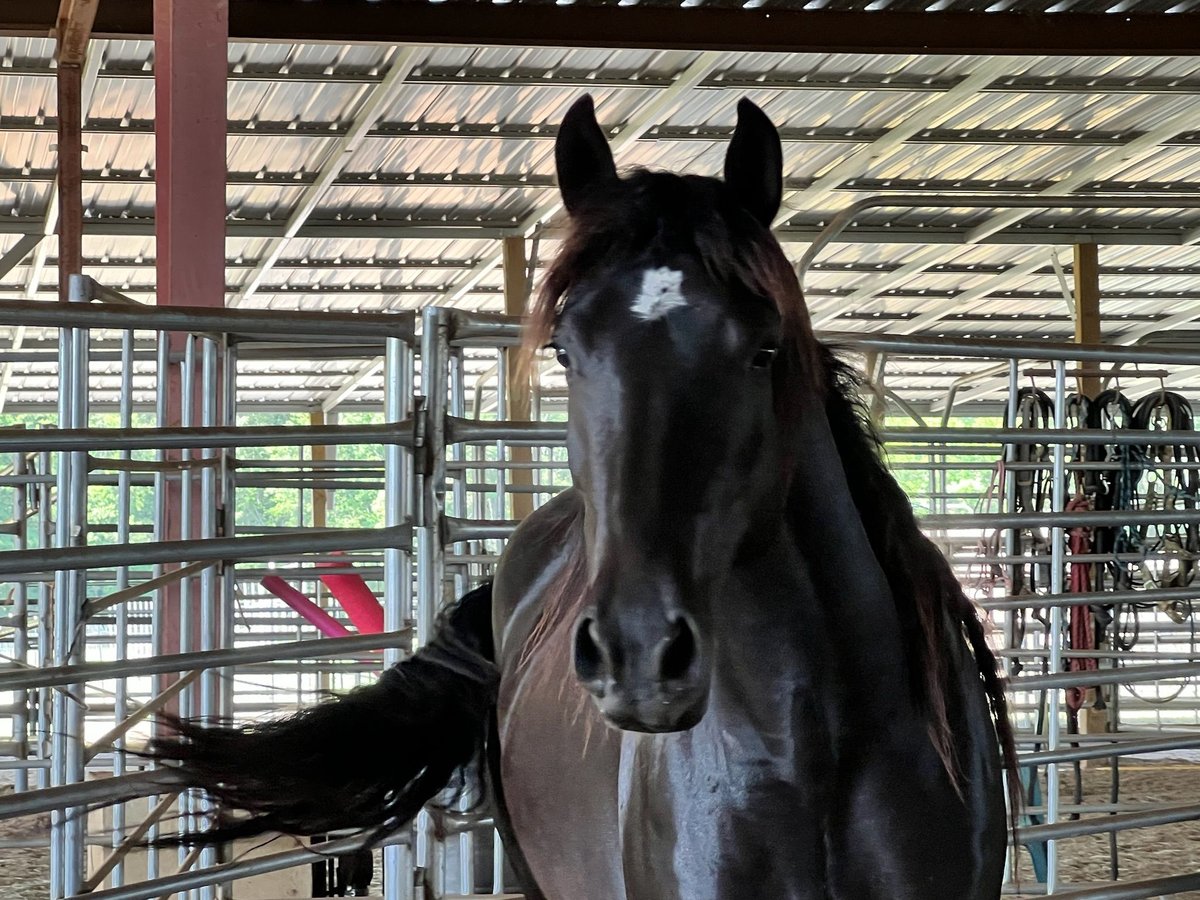
Solid black coat that may bleach slightly in the sun.
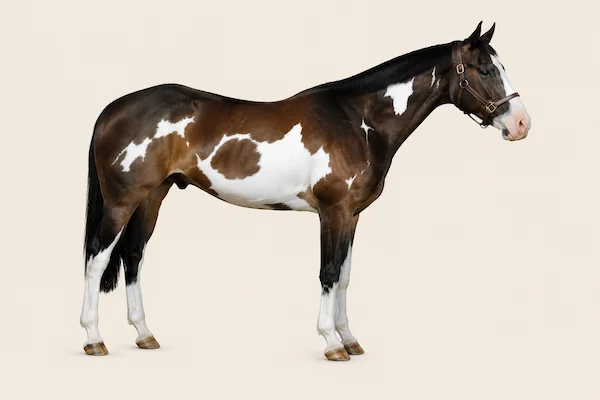
Brown to black with lighter areas around the muzzle, eyes, and flanks.
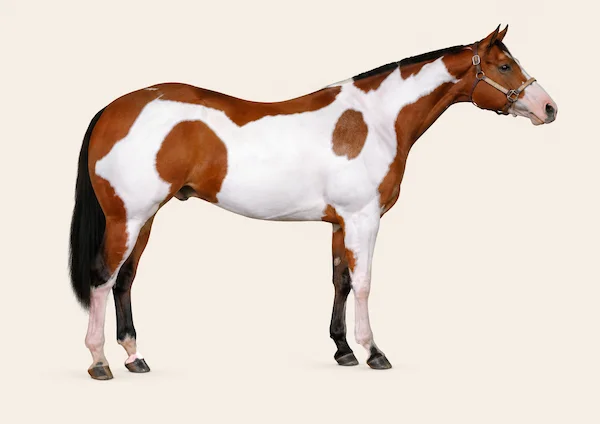
Reddish-brown coat with black mane, tail, and legs.
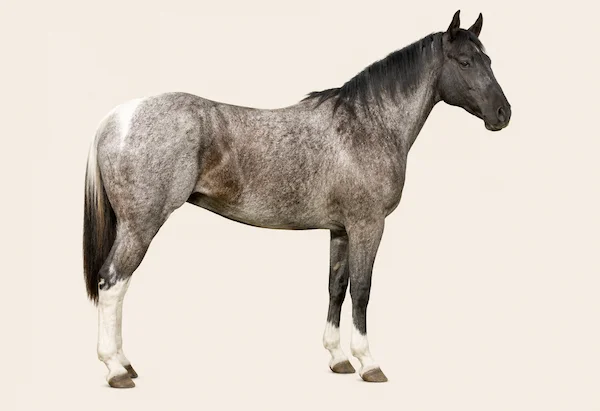
White hairs evenly intermixed in black coat, does not lighten with age.
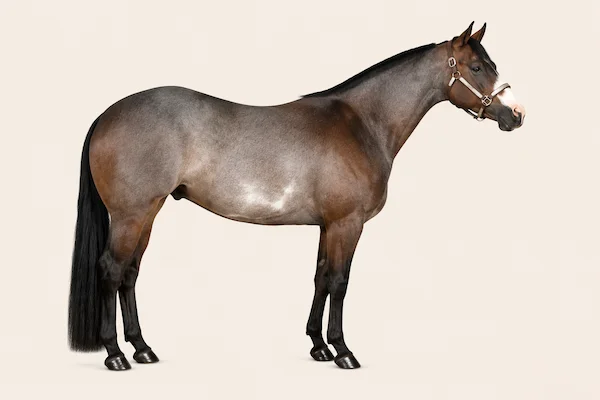
White hairs evenly intermixed in bay coat, with head and legs remaining dark.
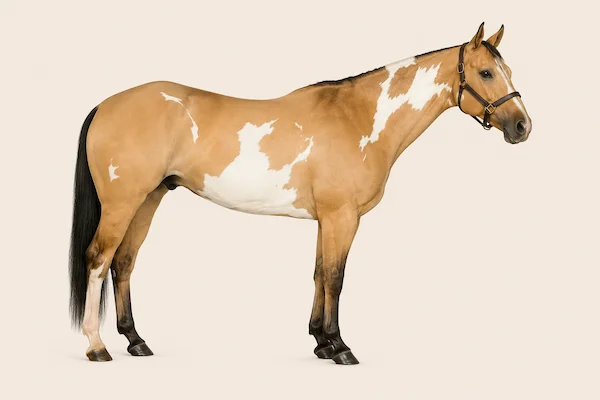
Diluted yellowish coat with black or brown dun markings.
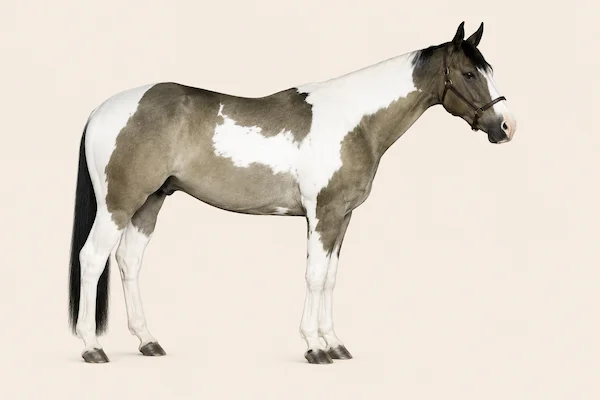
Smoky mouse-colored coat with black mane and black markings.
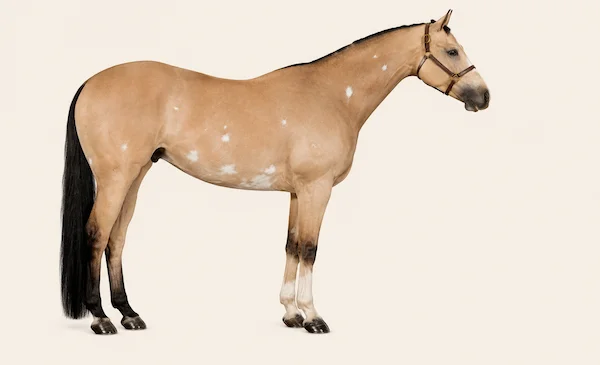
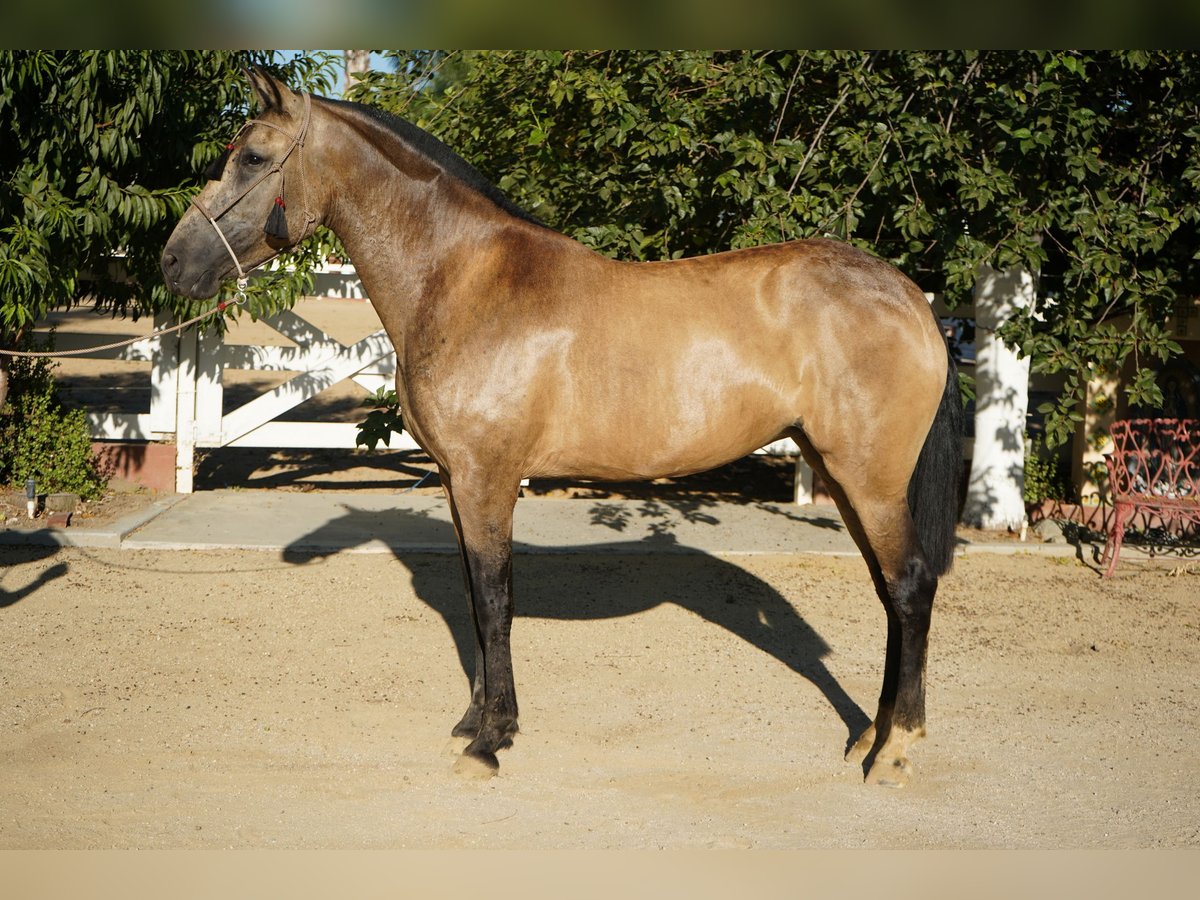
Yellowish to golden coat with black legs, without dun markings.
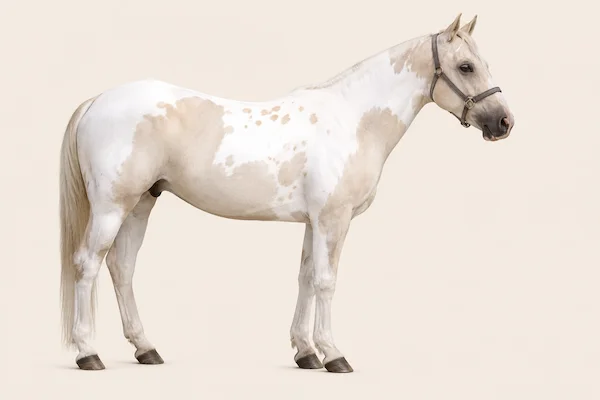
Double dilution of black, distinguishable from Perlino only by genetic testing.
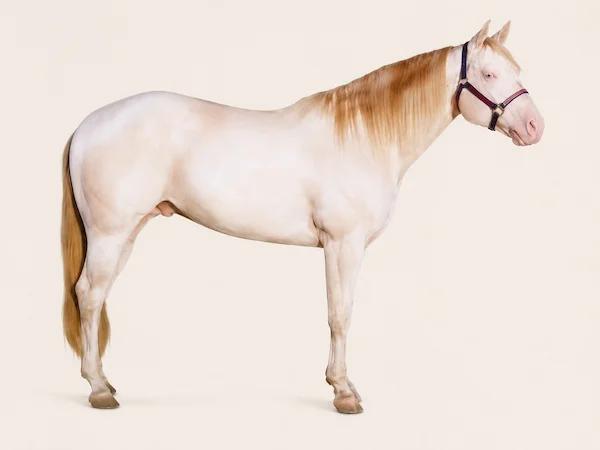
Cream-colored coat with pinkish to gray skin and blue or amber eyes.
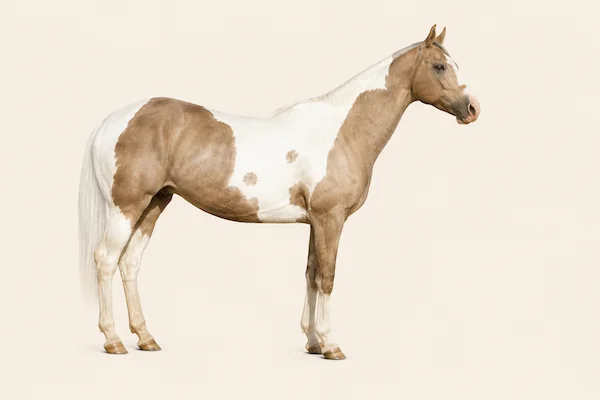
Champagne gene on black: body diluted from black to chocolate brown.
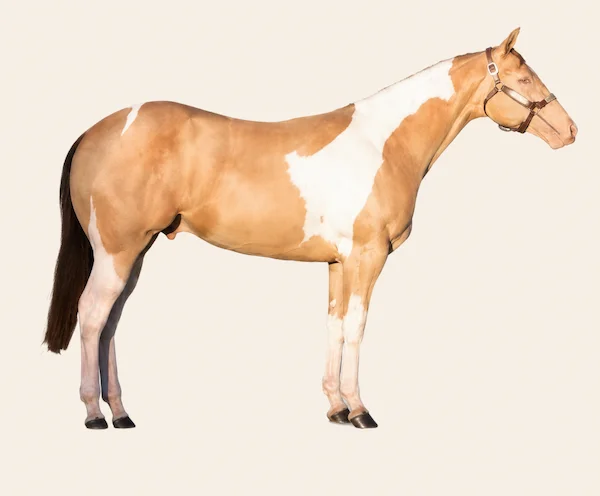
Champagne gene on bay: coat diluted to light brown with chocolate brown points.
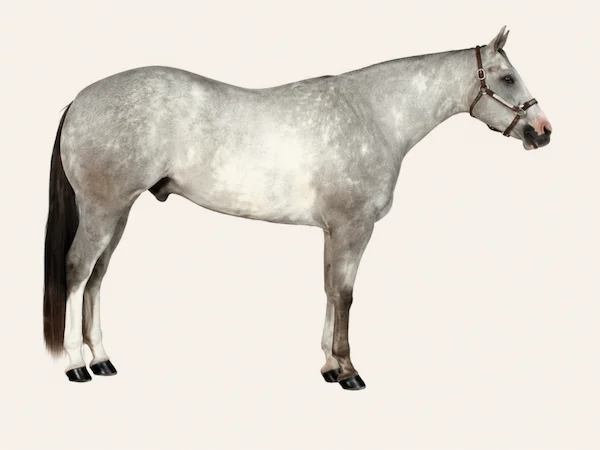
Born in any color, lightens progressively with age; skin remains dark.
The Red Family: From Chestnut to Cremello
The red family brings together all shades based on a red base pigment. The most famous is the chestnut: a dark red to reddish-brown coat ranging from light chestnut to liver chestnut. On a liver chestnut, bronze or coppery highlights on the legs reveal to you that it’s not a bay or a black. The mane and tail are usually dark red or brown, sometimes flaxen. The sorrel is its lighter relative—reddish to copper-red, typically with a mane and tail matching the body color.
The diluted variations originate from the same family. The Palomino sports a golden to pale yellow coat with a light, often almost white mane. The Red Dun features a yellowish or flesh-colored coat with red primitive markings, while the Red Roan blends red and white hairs without getting lighter with age. At the lightest end of the spectrum is the Cremello, a double dilution of chestnut with a creamy-white coat, pink skin, and blue or amber eyes. Gold Champagne also belongs here, where a Champagne gene lightens the red base tone into gold.
As varied as these shades are, you’ll find many of them among the Paint Horses on ehorses.
Are you looking for an American Paint Horse? 🐴
Find it now on ehorses, the world’s largest horse marketplace!
The Black Family: From Black to Perlino
The black family begins with the black horse, whose coat including muzzle, flanks, and legs is solid black. In the sun, it can fade or temporarily take on a rusty shimmer, and many foals are born mouse-gray before turning black. The dark bay / seal brown appears brownish-black with lighter areas around the muzzle, eyes, flanks, and inner legs, while the mane and tail usually remain black. The bay sports a reddish-brown coat with a black mane, black tail, black ear tips, and dark legs.
The roan variants belong to this group as well: The Blue Roan mixes white hairs into a black coat, the Bay Roan does the same on a bay base—both without getting lighter with age. Among the diluted shades, the Dun displays a yellowish coat with a black or brown mane and primitive markings, the Grullo a smoky mouse-gray coat with black markings, and the Buckskin a golden-yellow coat with black legs, but completely without these markings. Extremely light are Smoky Cream and Perlino, two double dilutions with cream-colored coats that can only be reliably distinguished via genetic testing. When the Champagne gene acts on a black or bay base, Classic Champagne and Amber Champagne emerge with their rich chocolate tones.
Primitive markings: dorsal stripe, shoulder stripe, and leg stripes (zebra stripes).
Some coat colors in both the black and red families feature so-called primitive markings, which occur primarily in Duns, Grullos, and Red Duns. The most famous is the dorsal stripe, a darker line running along the back from the withers to the dock of the tail. In addition, there is the shoulder stripe—a shadowy pattern that shines darker across the neck and withers. And finally, leg stripes (zebra striping), which are horizontal bands of varying width on the hocks, lower legs, forearms, or knees. Although the Buckskin looks similar to the Dun, it does not carry these markings, which is precisely how you can tell them apart.
The Champagne Gene and Its Characteristics
The Champagne gene is a distinct dilution gene. It not only dilutes the coat color, but also lightens the skin, which is bright pink at birth and later develops into a muted pale pink with darker freckles—especially around the eyes, muzzle, under the tail, and on the udder or sheath. The eyes change as well, turning from a cloudy blue in foals to amber or brown in adulthood. Depending on the base coat color, three main Champagne variations emerge: Classic Champagne on a black base, Amber Champagne on a bay base, and Gold Champagne on a chestnut base. In this way, a basic shade is transformed into a unique, shimmering color of its own.
Source:
American Paint Horse Association (APHA), “Colors of the American Paint Horse”: apha.com
Are you looking for an American Paint Horse? 🐴
Find it now on ehorses, the world’s largest horse marketplace!