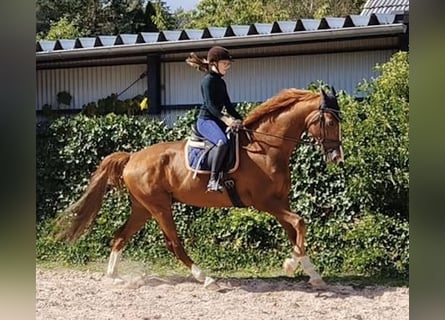
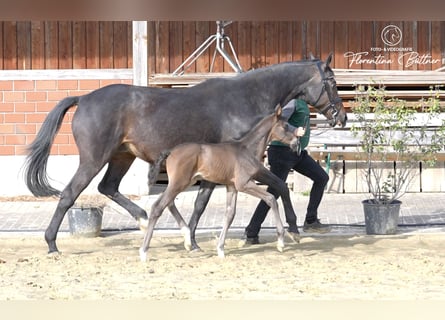
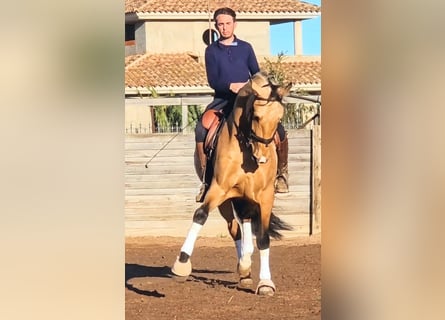
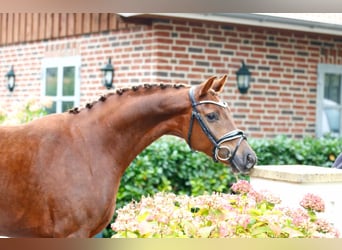
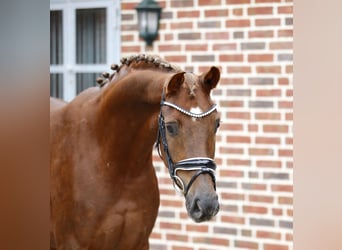
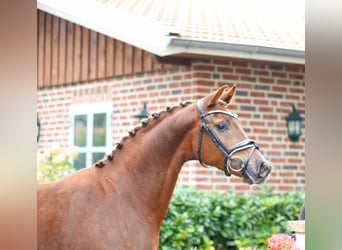
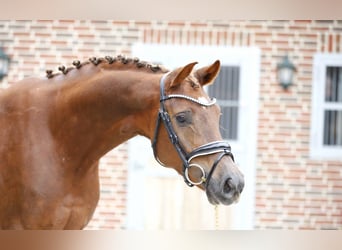
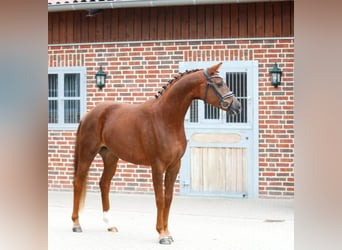
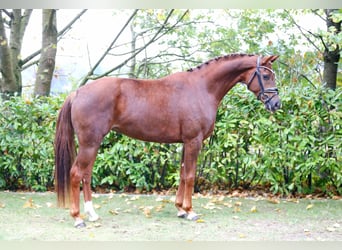
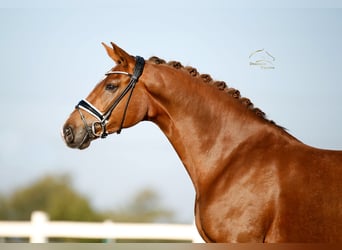
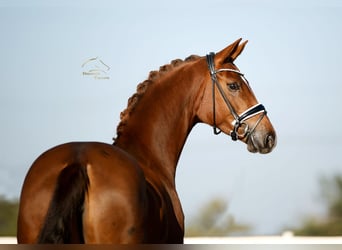
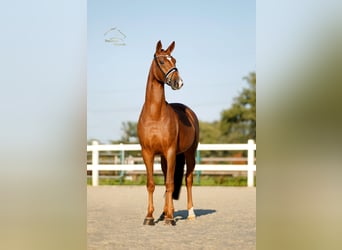
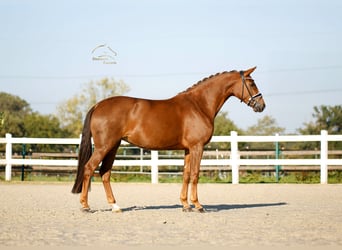
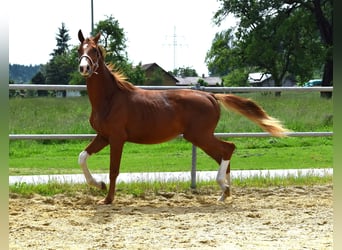
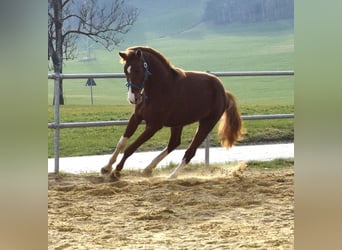
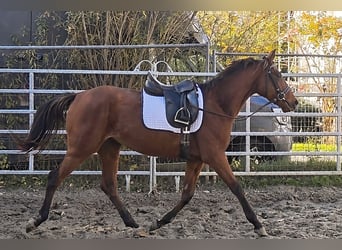
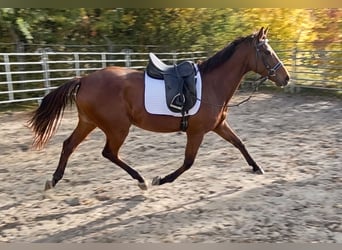
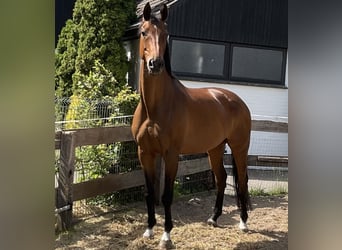
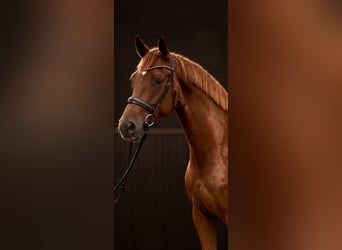
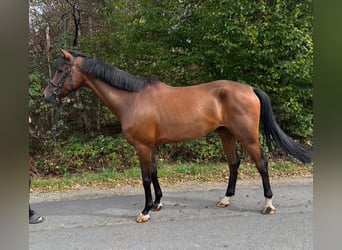
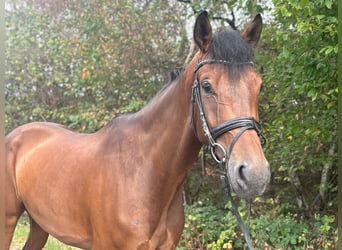
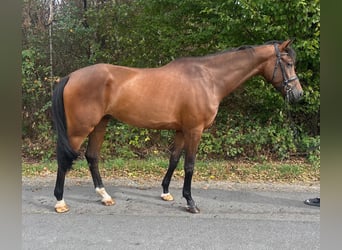
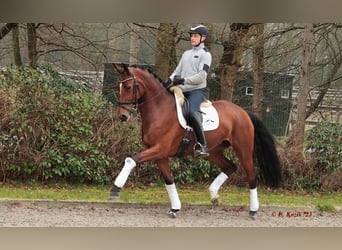
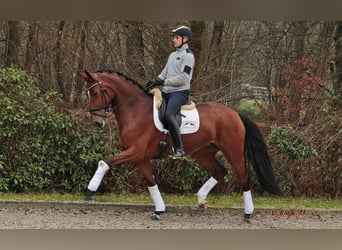
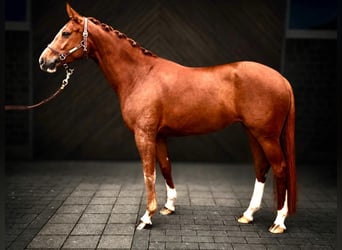
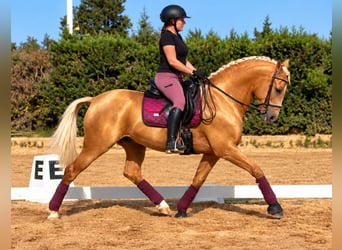
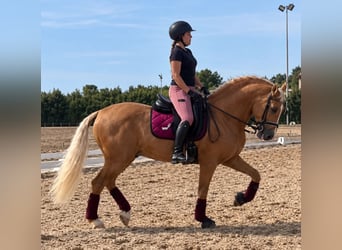
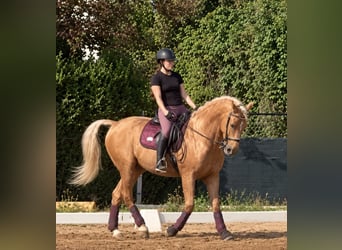
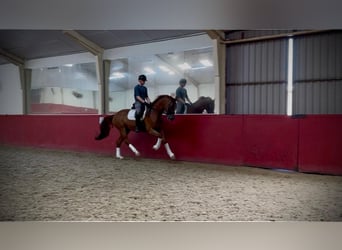
Dressage Horses for sale on ehorses
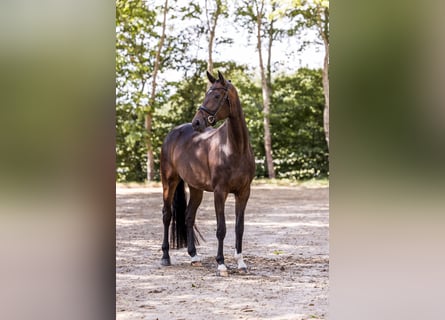
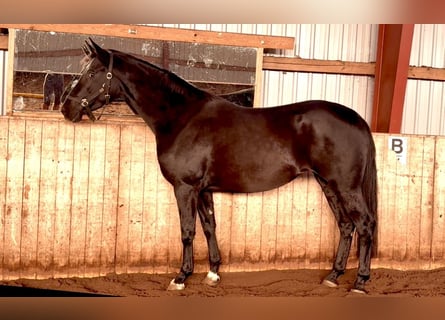
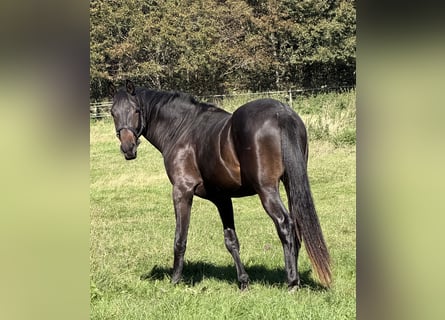
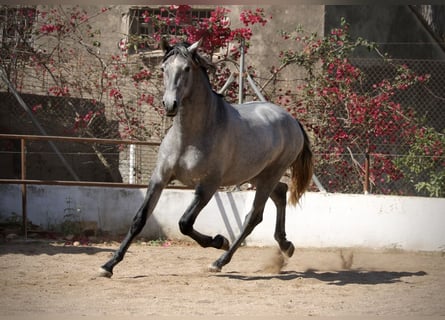
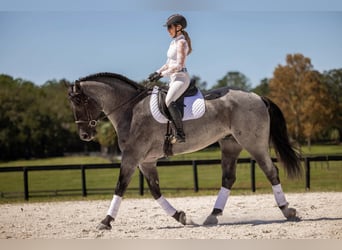
Dressage is one of the foundation activities of equestrianism, being a set of training exercises as well as a competitive form in its own right. The term comes from the French word “dresser”, meaning to prepare. Any horse can benefit from learning basic dressage movements. For advanced competitions, riders usually buy dressage horses that are members of one of the breeds recognised as leaders in this sphere. These are sport horse breeds, particularly medium and heavyweight Warmblood Horses. While breeders and trainers can sell a dressage horse with the right conformation and elastic paces, finished competition horses are the result of years of dedicated work and depend on a profound relationship between the horse and its rider. Some equestrians consider dressage as an art form, rather than a sport.
Use and characteristics of Dressage Horses
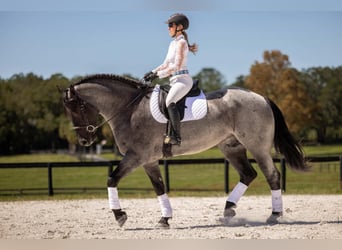
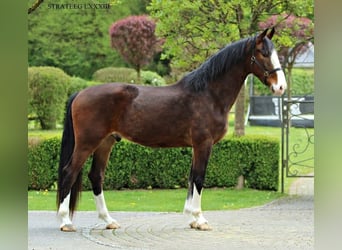
Since horses in advanced dressage competitions tend to be warmblooded, they are generally tall horses, usually over 16 hands (64 inches/163 cm)in height. The main thing is that horse and rider should be well-matched and present a harmonious pair. At riding club level, many people do not buy a dressage horse for competition, but rather use their own horses, Cobs or Ponies, often with great success. When moving, an advanced dressage horse needs to show rhythmic and smooth paces. Breeders also focus on temperament, so that when they sell a dressage horse it will work athletically in a relaxed fashion. Generally speaking, an outstanding dressage horse will have a compact outline and will be capable of working in collection, an important aspect of dressage.
Origin and history of breeding Dressage Horses
For as long as human beings have ridden horses, they have used various training methods. The earliest training manual in existence, written on clay tablets by a Mitannian horse trainer called Kikkuli over 3,000 years ago, was for training chariot horses. The best-known work is still probably that of Xenophon the Greek general, who recommended that people treat young horses kindly and learn about their natures. While there were plenty of classical and medieval publications on horse care and veterinary treatments, it wasn’t until the sixteenth century that serious manuals on horseback riding were being published. The first was "The Rules of Riding" by Federico Grissone. Italy was famous for the quality of its chargers at that time, so many of the texts were published there. The nobility had riding masters and trained their horses in arenas (known as manèges). Later that century, books on choosing the right kind of horse for a particular activity also began to be published. Manuals of horsemanship were written by nobles such as the Duke of Newcastle, as well as by professional riding teachers. Classical dressage flourished. The noble Spanish and Baroque breeds, with their compact outlines and naturally balanced head-carriage, were the first choice for working in the arena. However, an important set of images dating from the eighteenth century, the Wilton House Collection, shows several different types of horses being ridden. The Baroque breeds such as the Lipizzaner, used in the beautiful classical displays at the Spanish Riding School, are not tall horses, and they are still the best horses for advanced exercises known as the “airs above the ground”. Taller horses, with their free-flowing movement, excel at extended paces in modern dressage competitions.
Dressage Horses in equestrianism
European Warmblood Horses lead the way in competitive dressage. The Danish Warmblood Marzog became “Dressage Horse of the Century” in the late 1990s while winning Dutch Warmblood stallion Ferro received particular praise at the Sydney Olympics.