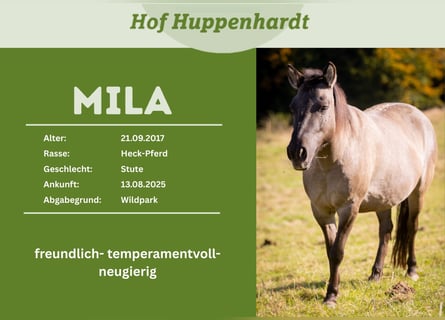
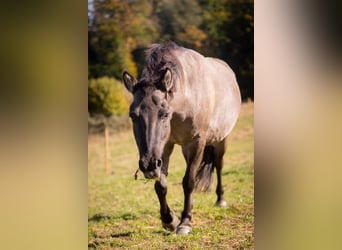
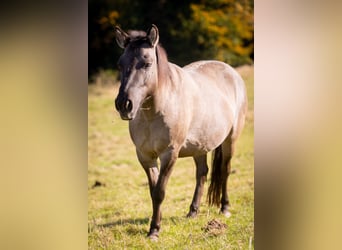
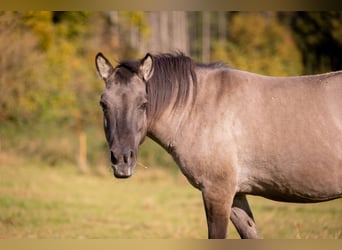
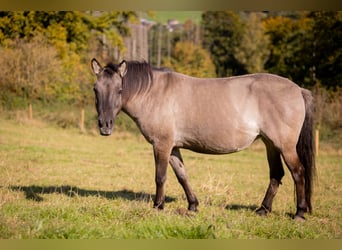
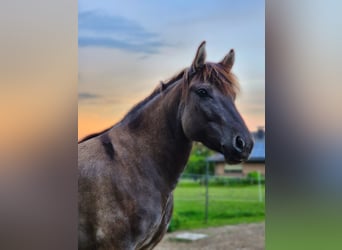
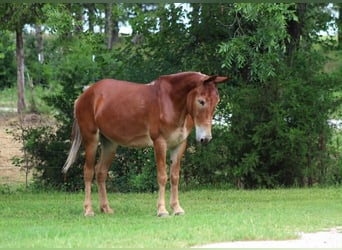
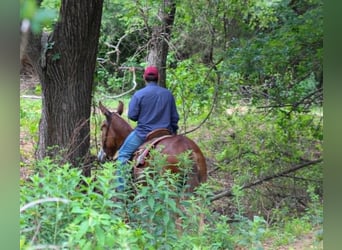
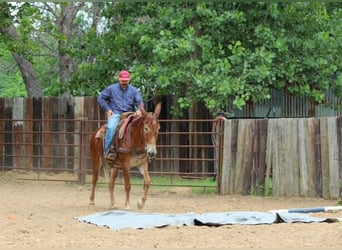
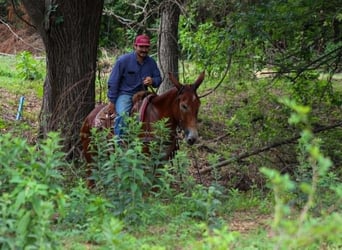
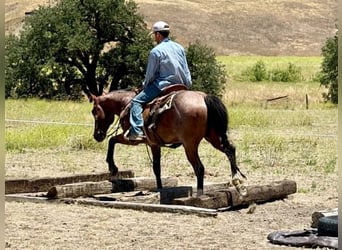
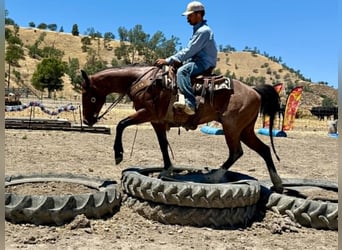
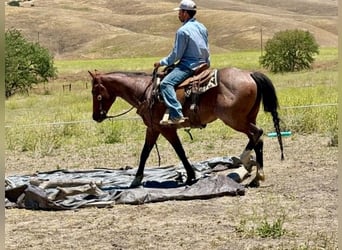
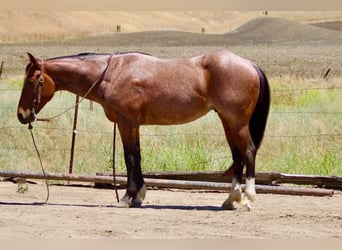
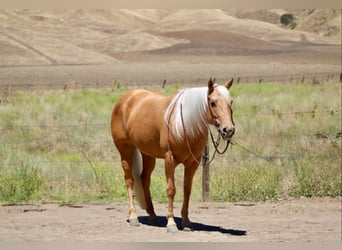
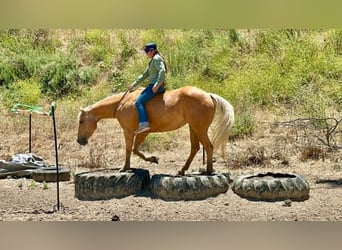
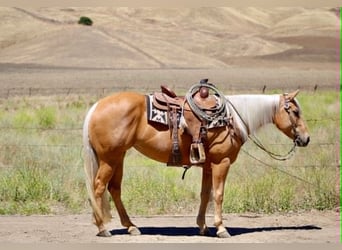
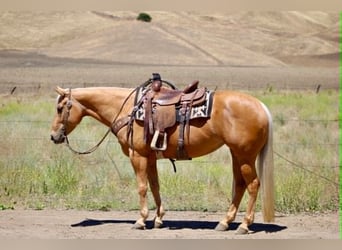
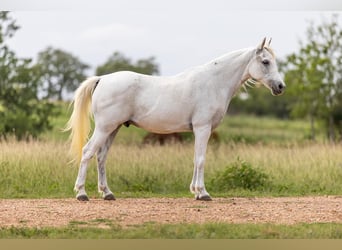
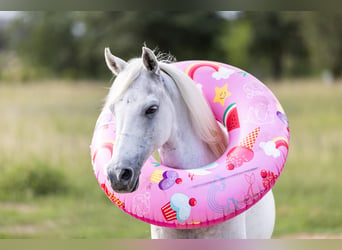
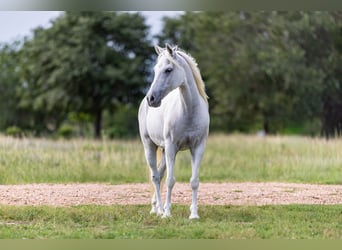
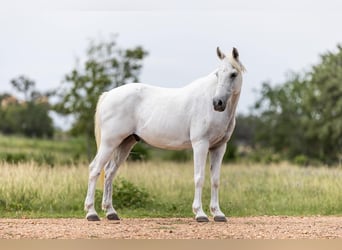
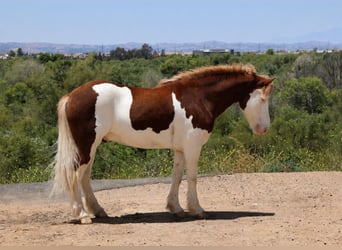
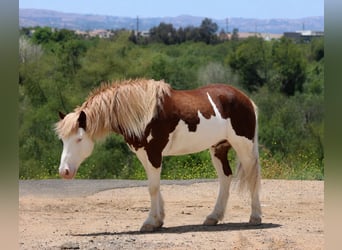
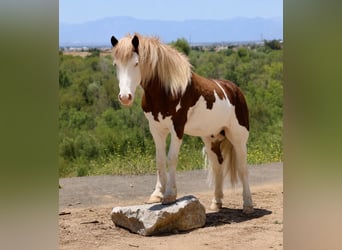
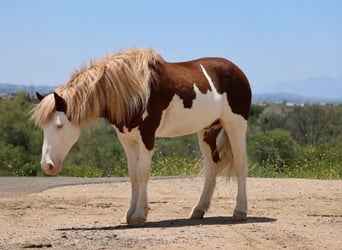
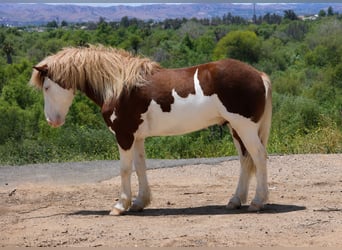
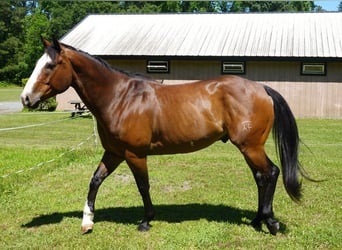
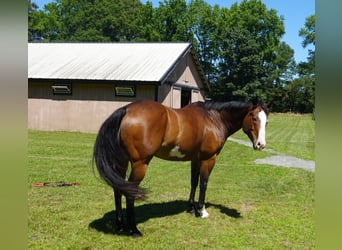
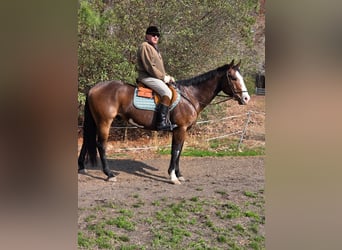
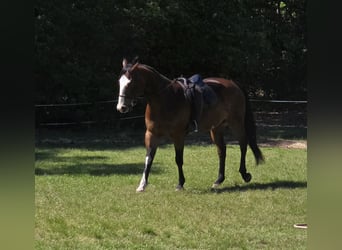
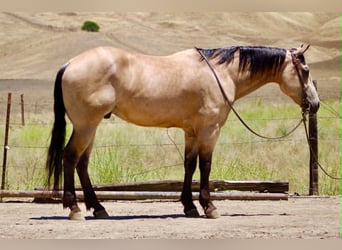
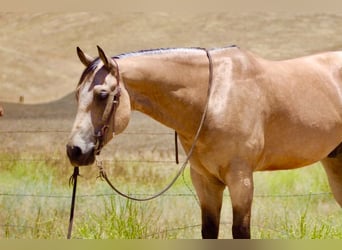
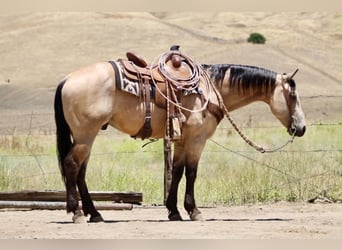
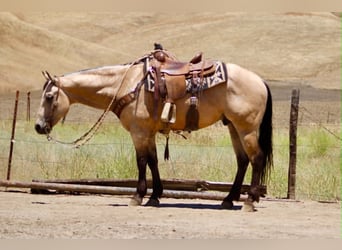
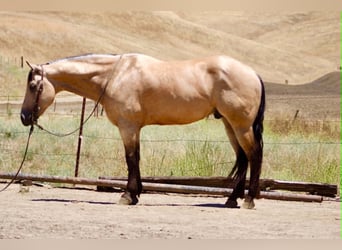
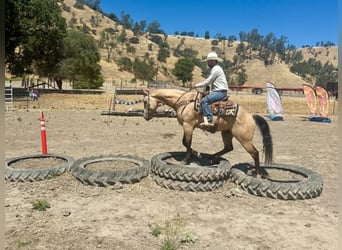
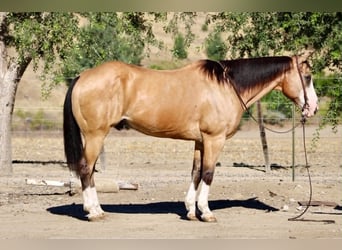
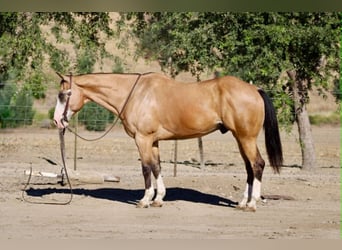
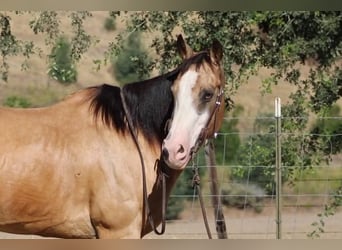
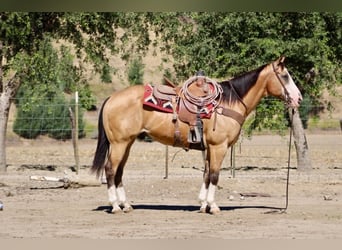
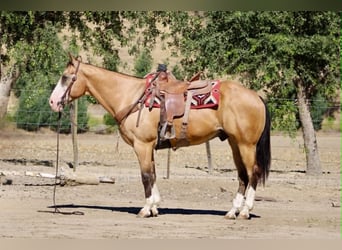
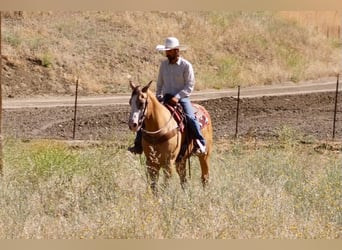
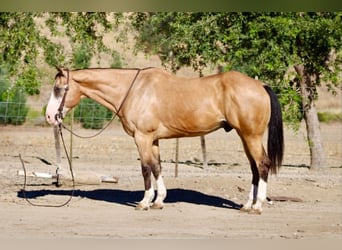
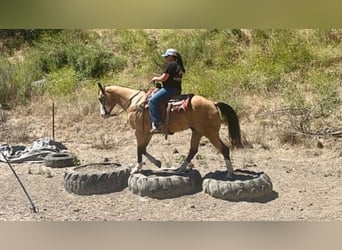
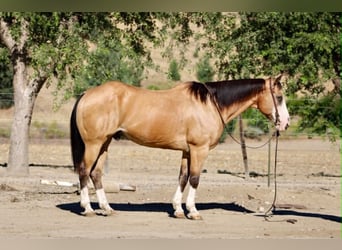
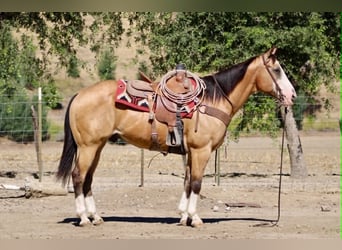
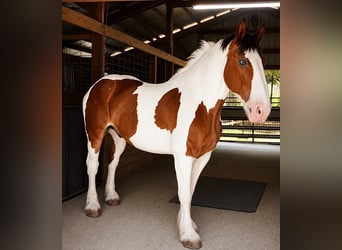
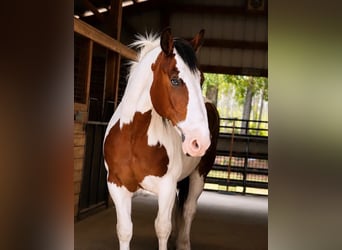
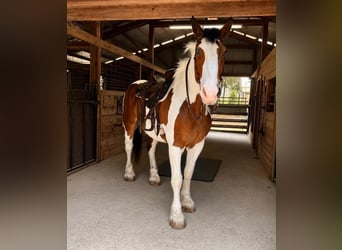
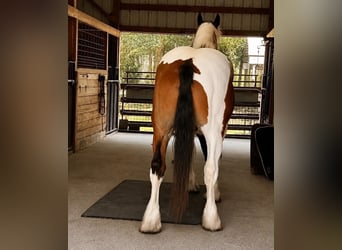
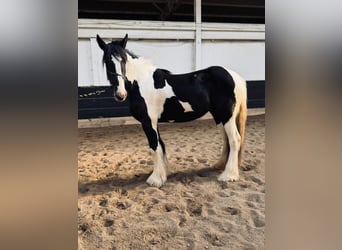
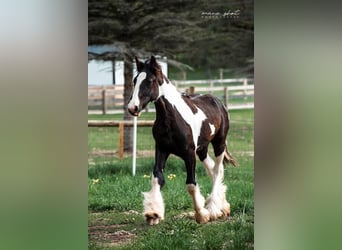
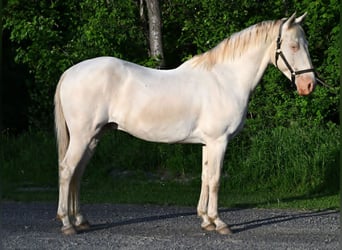
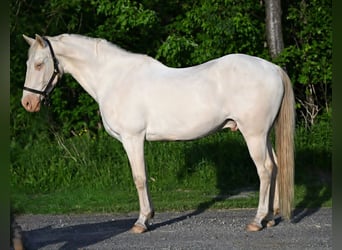
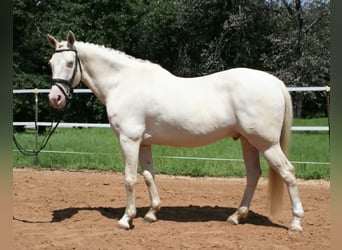
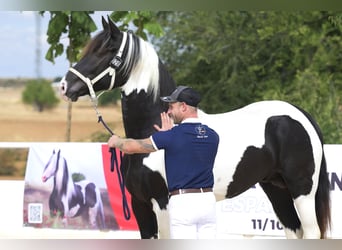
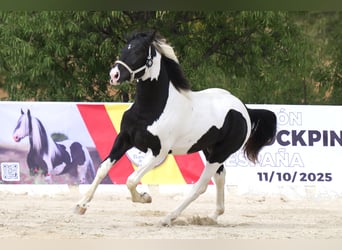
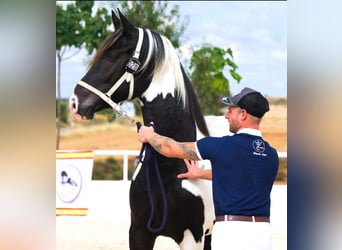
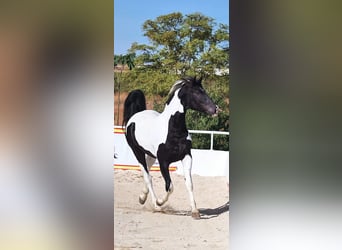
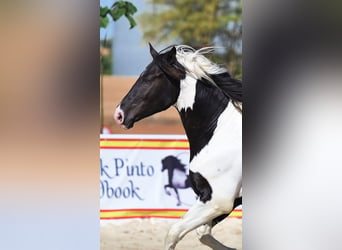
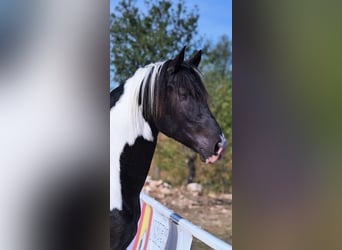
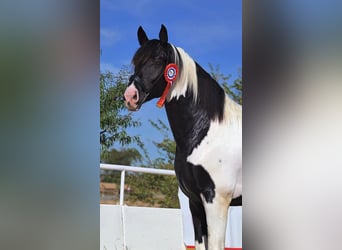
Tarpan, Mare, 9 years, 13.2 hh, Dun
Trapan-Stute Mila sucht ein neues Zuhause!
Leisure
€1,500
~ $1,598
Page-1-Ad
With this option your advertisement will be extra advertised on the top page of search results. It will be listed above the regular search results.

DE

DE
Similar search queries


US


US

US
US
US



US
US
US





US
US

US
US
US

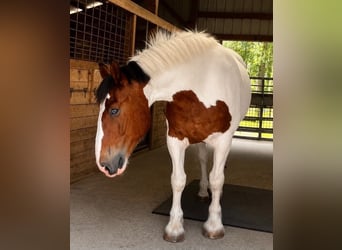
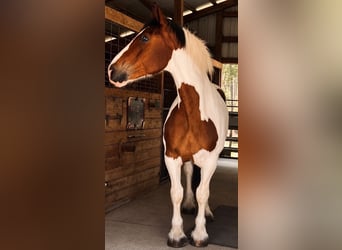
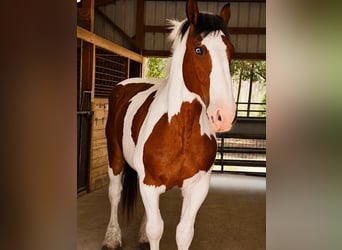
US
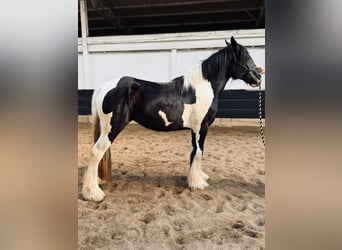

US







US

ES
The story of the Tarpan is a complicated and controversial one. The word Tarpan is said to come from Turkic words meaning “wild horse”. In the nineteenth century, naturalists believed Tarpans were the last remaining examples of the wild horses that were ancestors of the domesticated horse. Many zoos would capture or buy a Tarpan to show in their parks, and some would occasionally sell a Tarpan herd to other zoological gardens. However, Tarpans officially became extinct in the late nineteenth or early twentieth century, and even today, experts are still puzzling over what they really were!
There were certainly small wild or feral horses roaming freely in parts of Eurasia right up until the nineteenth century, and occasionally locals would capture and sell a Tarpan from the wild. They were also hunted for their meat. Experts of the time decided these horses were distinct from domesticated horses due to their small size and other distinguishing features. These unique characteristics helped to identify them when zoos or collectors elected to buy a Tarpan. The last identified captive Tarpan was somewhere between 13 hands 3 inches (55 inches/140cm) and 14 hands 1 inch (57 inches/145 cm) high. It had a dorsal stripe and shoulder stripes, both of which were considered “primitive” markings, and a thickish mane that fell to one side.
Tarpans were first recorded by European naturalists at the end of the eighteenth century. The animals initially received various Latin names, including Equus ferus ferus (“wild horse”) to distinguish them from the domesticated horse (Equus ferus caballus). Zoologists believed that the Tarpans had once roamed freely throughout Europe and Asia, and speculated that there might have been different types, such as the forest Tarpan and the steppe Tarpan. Historians in ancient and medieval times had made many references to apparent wild horses, and some of the descriptions seemed to match the little wild horses that could still be seen in various places. They would fight or flee if approached by humans and were frequently described as “mouse-coloured”. Some said that they looked and even sounded different to domesticated horses. What is known is that they had been hunted for food since ancient times and by the late nineteenth century they were nearly extinct. The first conservation attempt to save them was in the eighteenth century when the Polish government arranged to have animals with alleged Tarpan ancestry homed in reserves. The animals were eventually given to farmers, and the Tarpans interbred with their domesticated horses. Some of these were the ancestors of Konik ponies, which are now sometimes viewed as a modern version of the Tarpan. The last wild Tarpan is said to have died in 1879 when an attempt was made to capture her, and the last Tarpan in captivity died in 1909, although dates for this event vary. Throughout the twentieth century, attempts were made to “recreate” the Tarpan, including a long breeding programme by Professor Lutz Heck of the Berlin Zoo and Heinz Heck of the Munich Zoo. They used Koniks, Przewalski horses, Icelandic horses and Gotland Ponies to produce a Tarpan-like animal called the “Heck Horse”. From the 1930s onwards, Tadeusz Vetulani also began a breeding programme which created the modern Konik pony.
Modern Tarpan-like breeds such as the Konik and Huçul are used in conservation grazing projects. It’s now known they have the same DNA as domesticated breeds. However, whether their Tarpan ancestors were truly wild or feral is still debated!
The Tarpan was known for its unique character traits that made it well adapted to living in the wild. They were tough, adaptable, and resilient horses that could withstand harsh conditions. The Tarpan was also known for its intelligence and resourcefulness, which allowed it to survive in areas where other animals could not. They were social animals that lived in herds, and their strong sense of community was essential to their survival.
The Tarpan was a medium-sized horse, standing around 12-14 hands high, and was known for its muscular build and thick coat. Their coat was typically dun-colored with a dark dorsal stripe, zebra-like stripes on their legs, and a light-colored belly. They had a thick mane and tail, which provided protection from the harsh weather conditions. The Tarpan was also known for its strong legs and hooves, which allowed it to run over difficult terrain.
The Tarpan is an ancient horse breed that has been extinct since the early 20th century. They were once widespread across Europe, Asia, and the Middle East and were an essential part of human life. Tarpan bones have been found in ancient human settlements, indicating that they were domesticated by early human communities. As human populations grew, the Tarpan population declined due to hunting, habitat destruction, and interbreeding with domestic horses. Efforts to recreate the Tarpan breed began in the early 20th century in Poland, where a breeding program was established using domestic horses that had Tarpan-like characteristics. The goal was to create a breed that resembled the original Tarpan as closely as possible. Today, there are several breeds of horses that have been developed using Tarpan bloodlines, including the Konik and the Hucul.