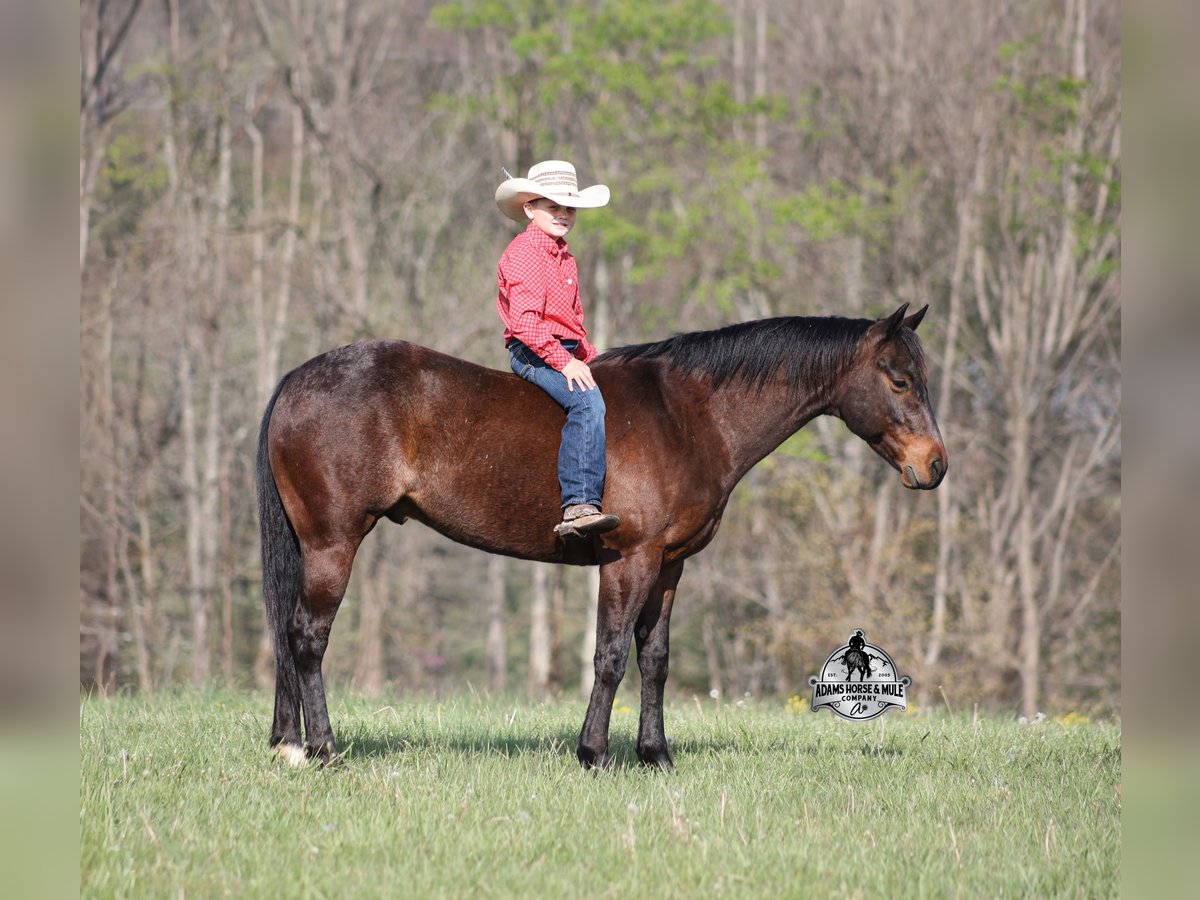
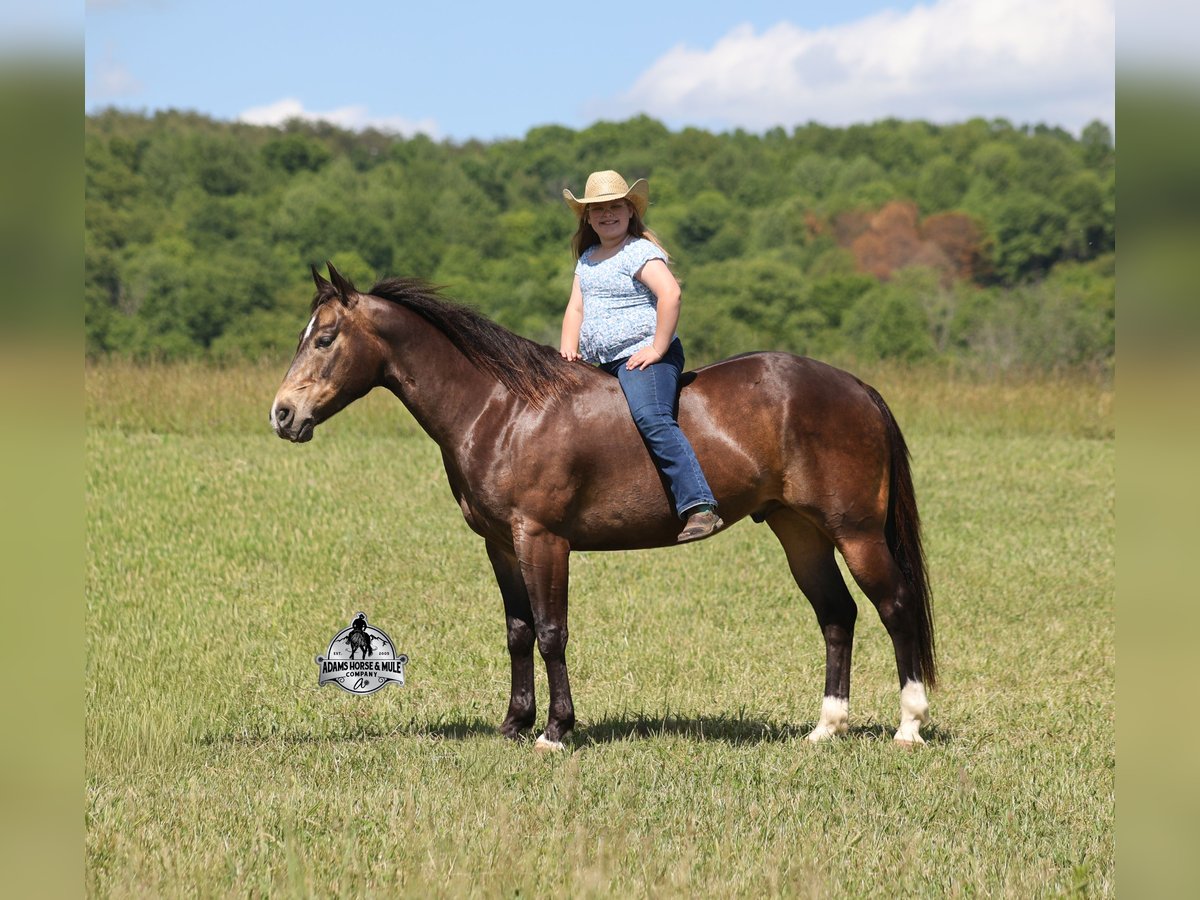
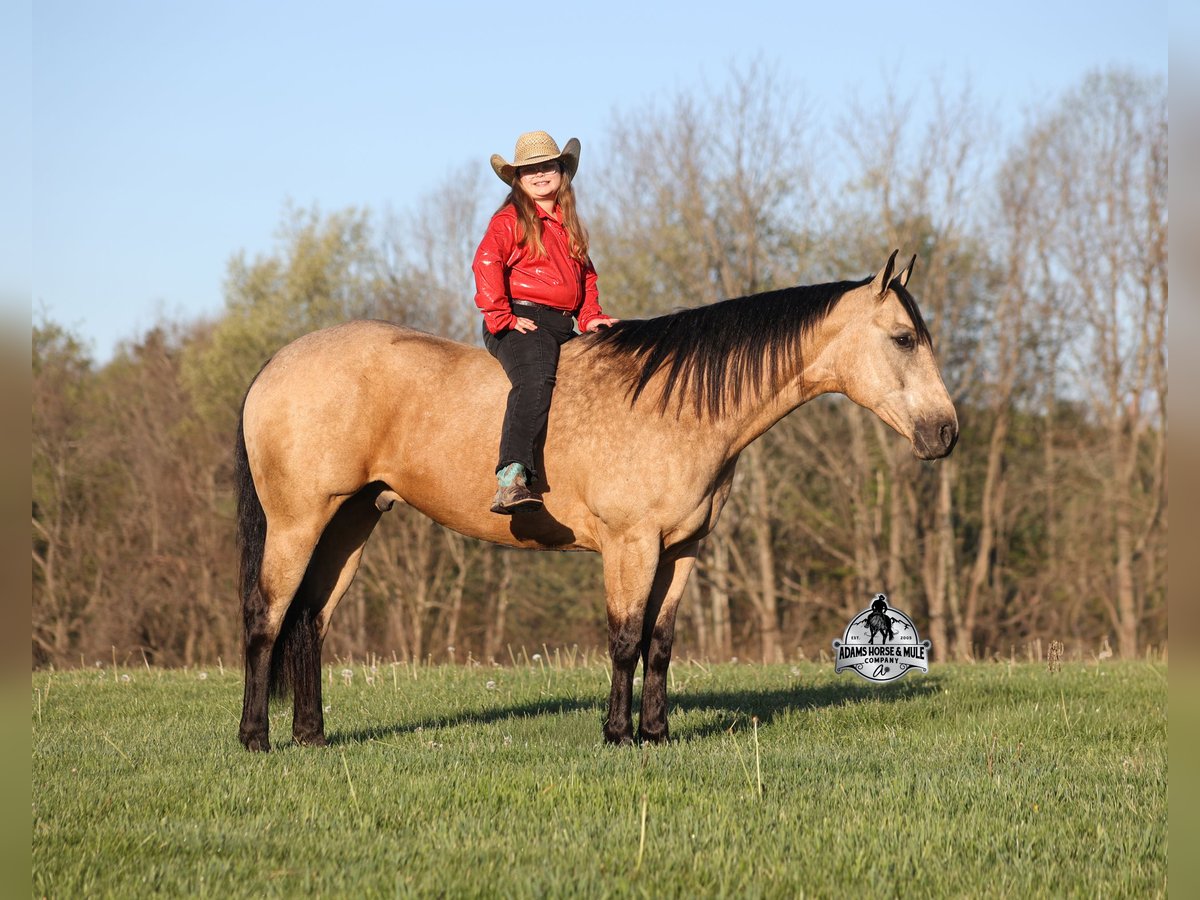
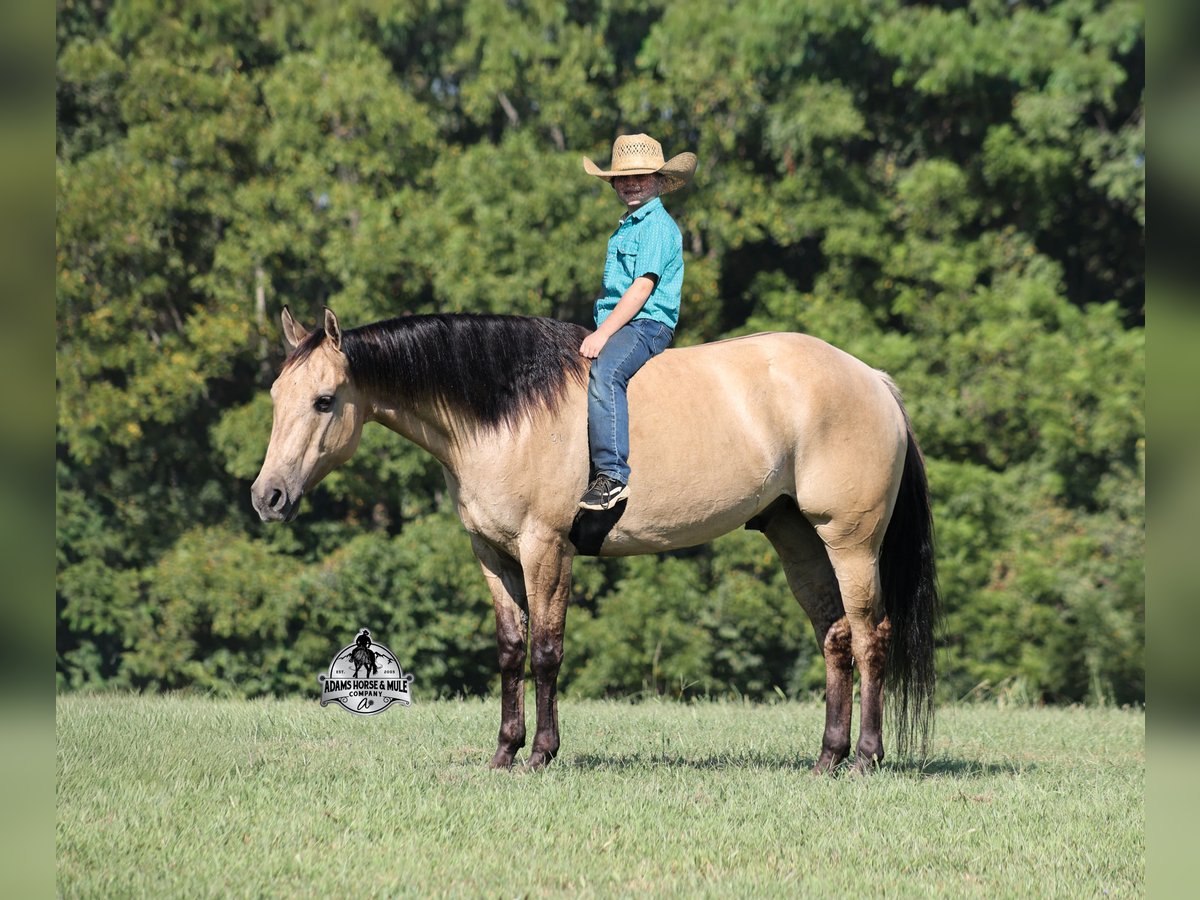
Why are first-class media so important for a sales listing?
Images and videos are the first things interested parties notice in your listing, and they play a major role in deciding whether they click on it. Professional recordings radiate seriousness, justify a higher selling price, and significantly shorten the marketing period. In today’s horse world, a sales advertisement without expressive video material is often immediately filtered out.
How do I photograph my sales horse correctly?
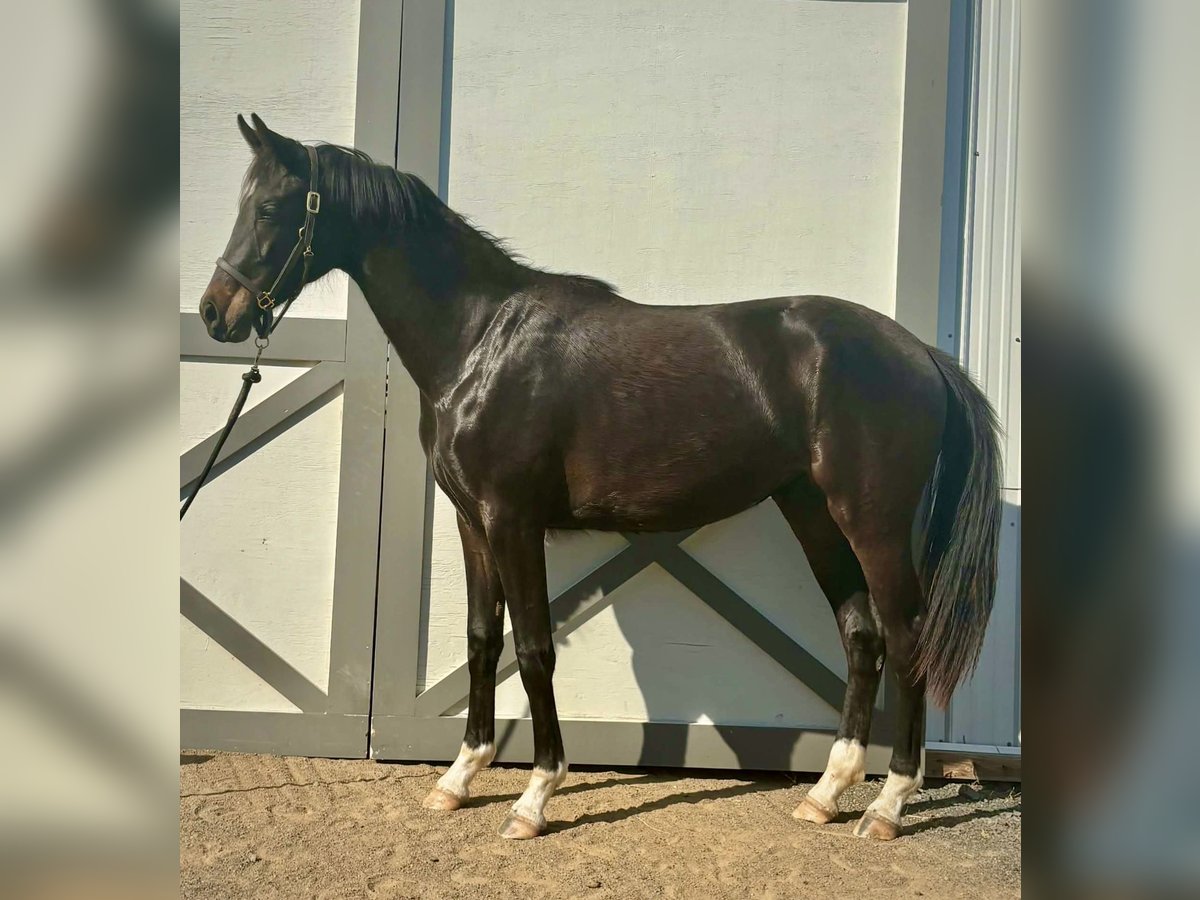
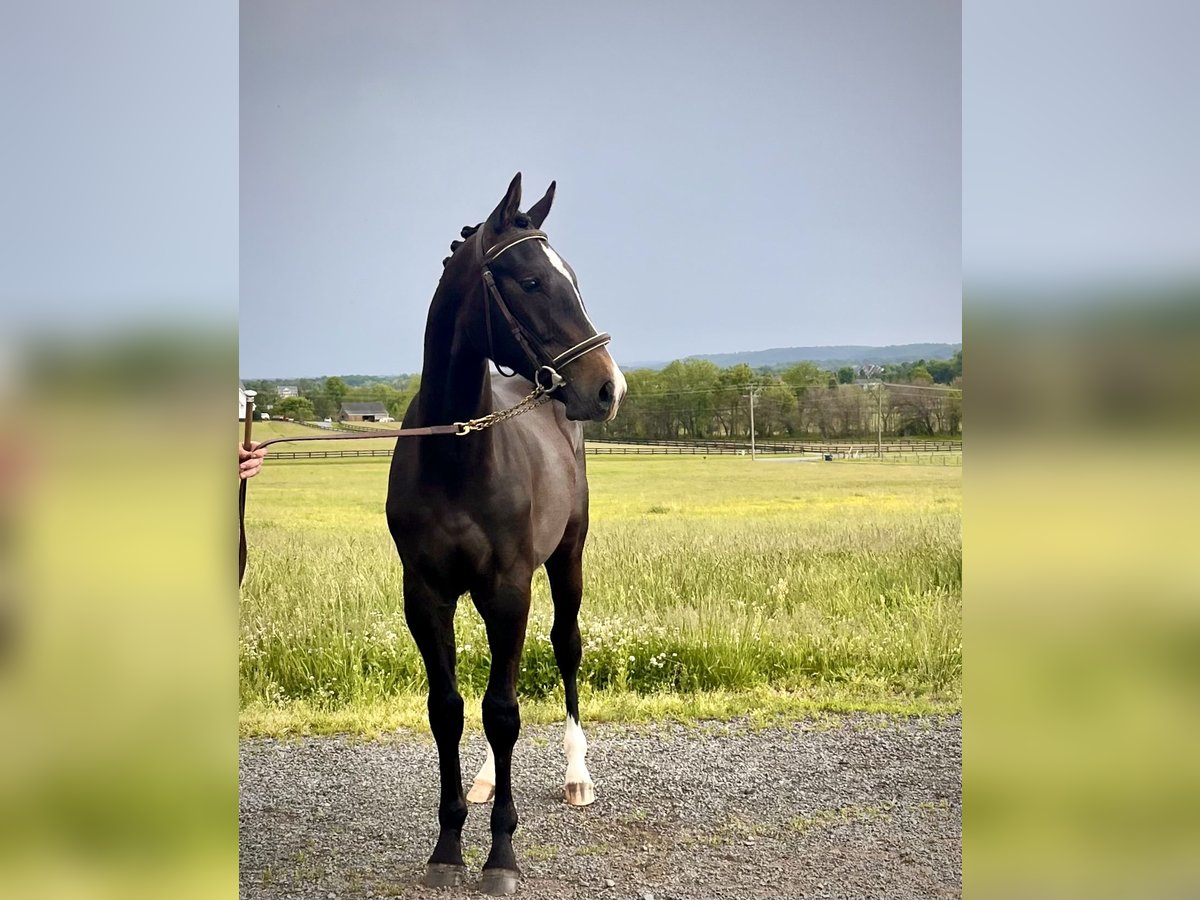
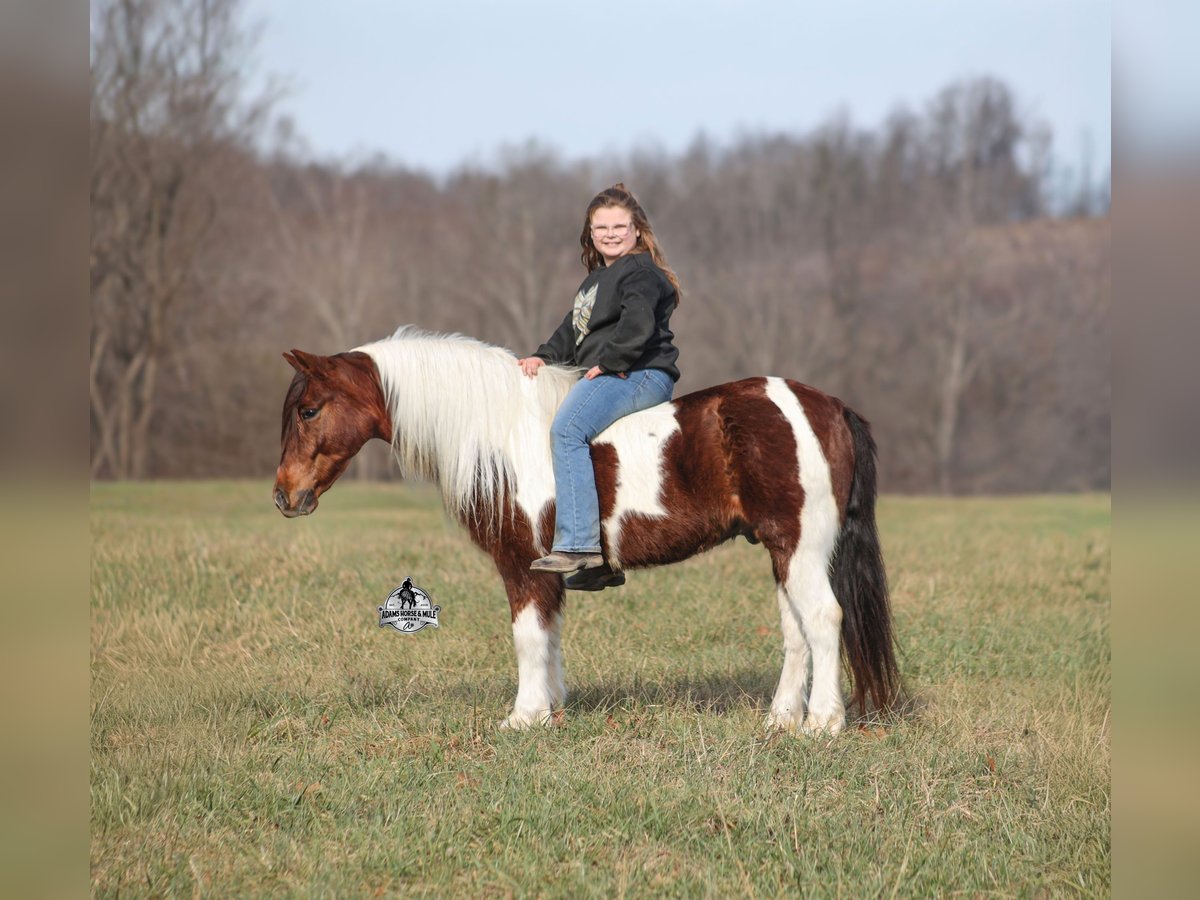
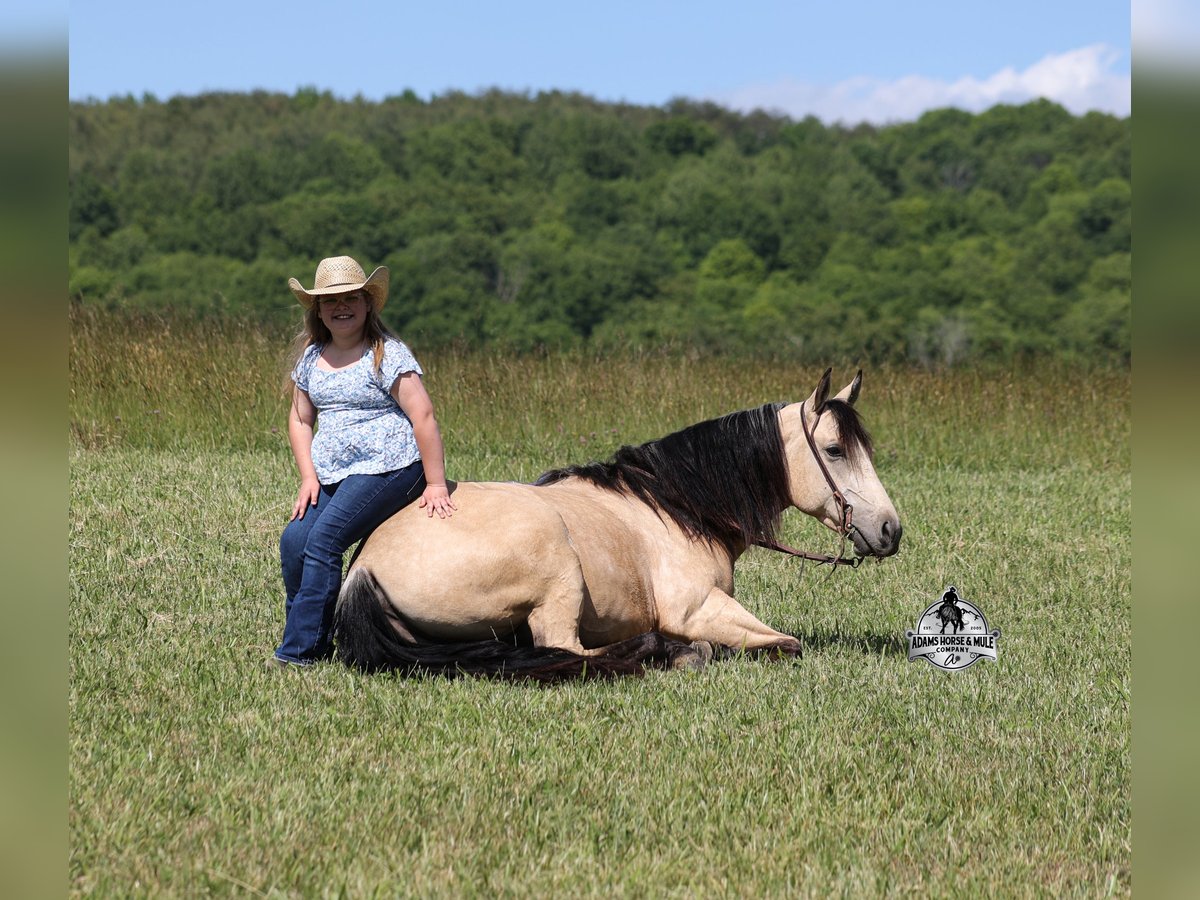
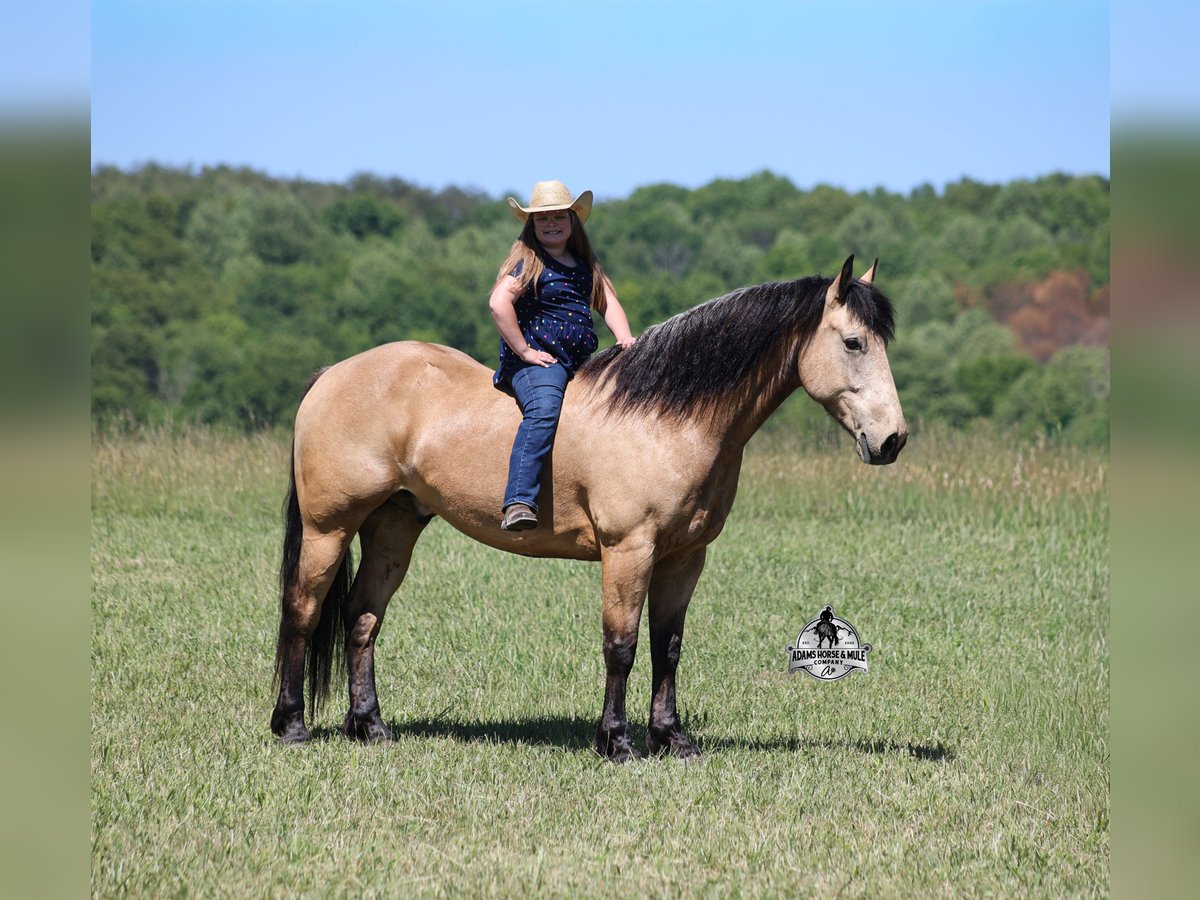
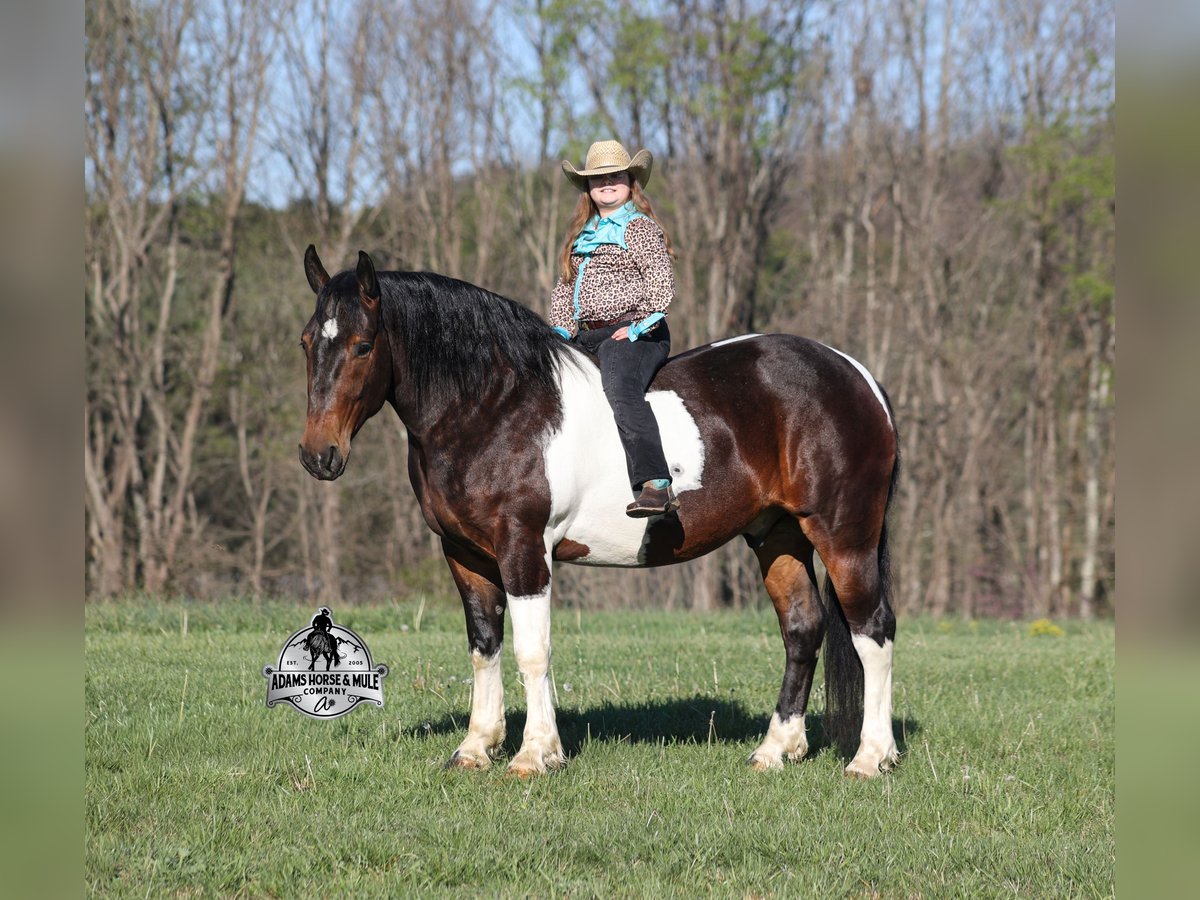
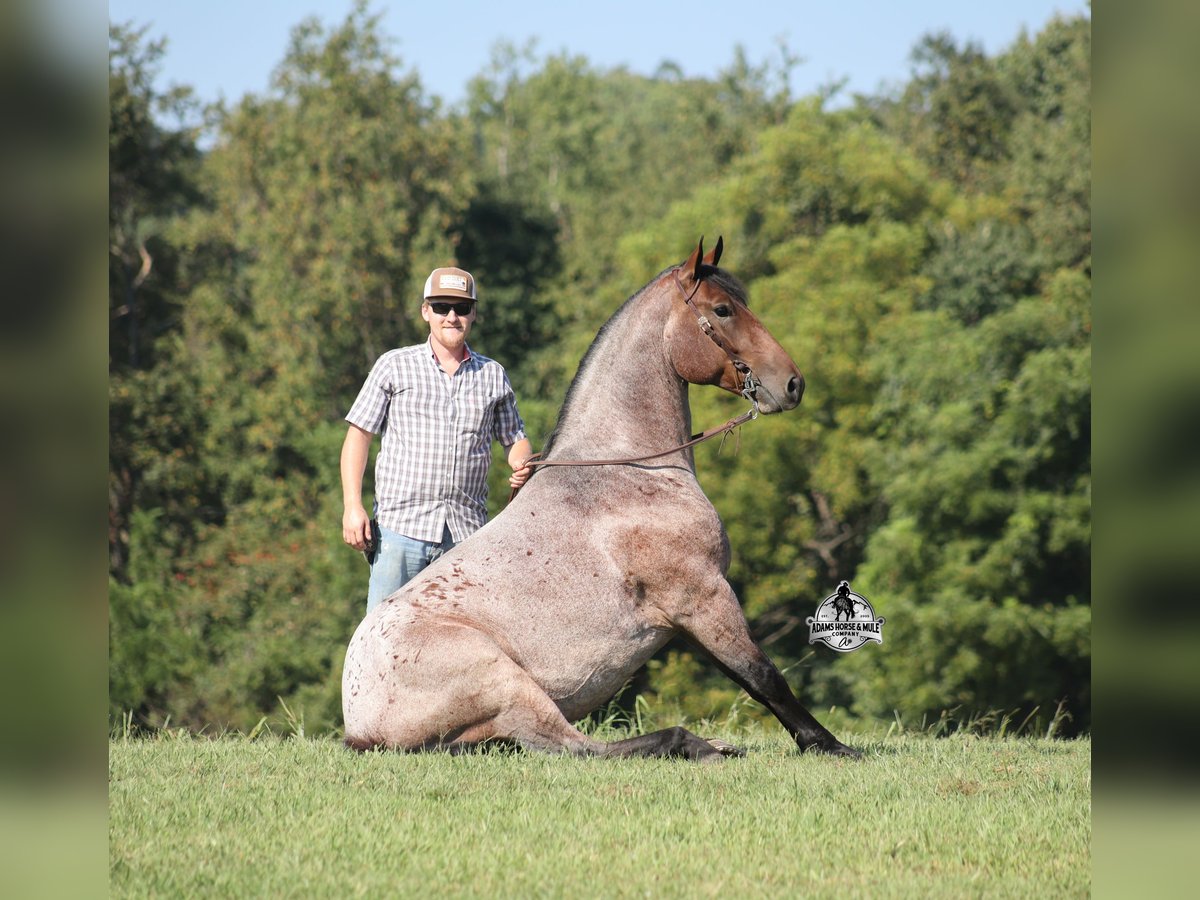
A convincing photo doesn’t require professional camera equipment, but rather structured preparation and good lighting conditions.
- Condition of the horse: Groom your horse thoroughly. Look for a shiny coat, combed mane, and clean equipment (if the horse is being photographed with a saddle/bridle).
- Lighting: Photograph in bright daylight. Avoid the blazing midday sun (which creates harsh shadows) and strong backlight situations. Slightly cloudy weather often provides the most even light.
- Perspective: Photograph the horse at eye level. Squat down to maintain a natural perspective. Avoid shots from above, as these make the horse look smaller.
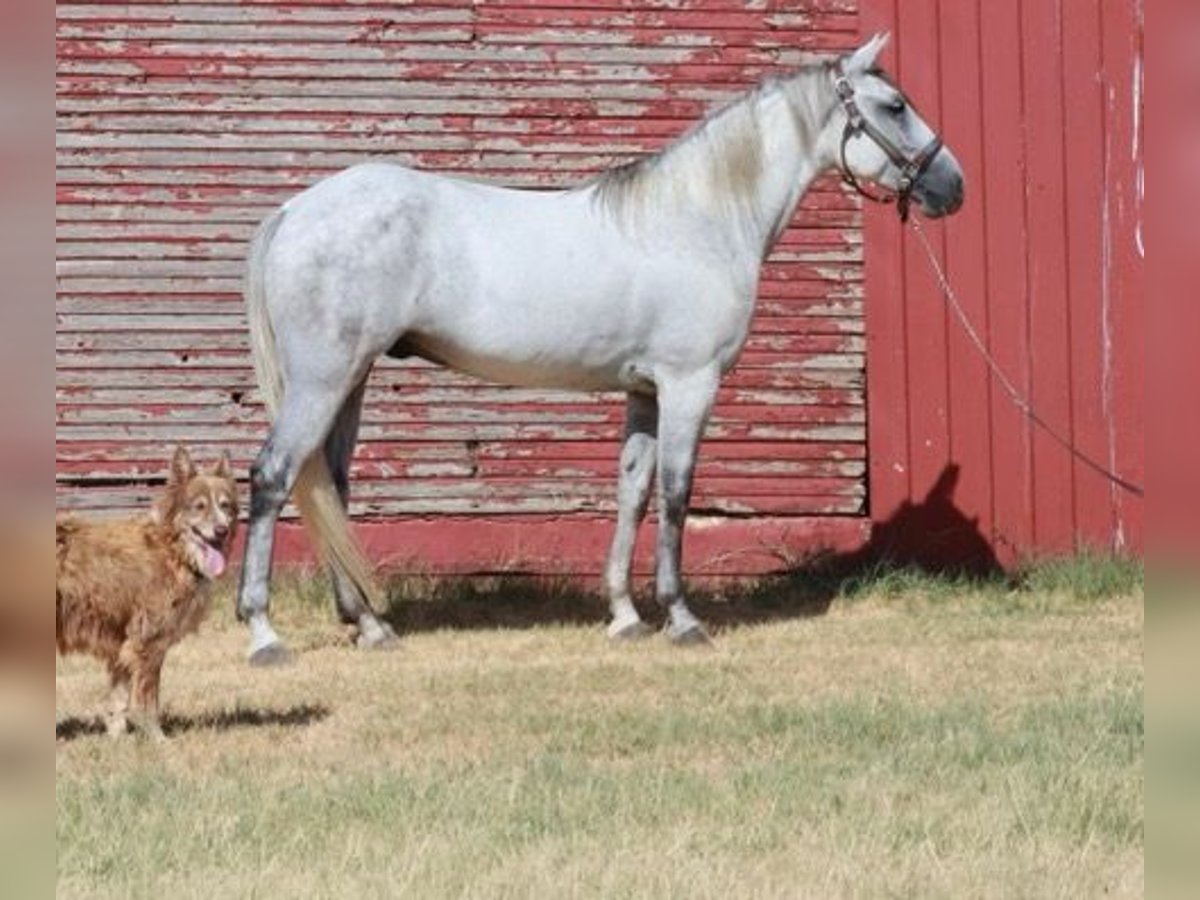
- Position: Place the horse sideways to the photographer. The legs should be positioned so that all four limbs are visible (not “”crossed over””).
- Background: Choose a quiet, tidy background. Remove distracting objects like trash cans, parked wheelbarrows, or messy stable aisles from the frame.
What belongs in a good sales video?
A video adds the component of movement and handling to the static impression of photos. It gives the buyer a realistic impression of the horse’s level of training.
- Format: Always film in landscape format. This is optimal for display in common video players and on ehorses.
- Content: Show the horse in all three basic gaits (walk, trot, canter) on both reins. Short sequences of mounting or handling (grooming, leading) round off the impression.
- Duration: Keep the video short and concise. Two to three minutes are ideal. Longer videos often seem daunting or tedious.
- Audio: Ensure that no extreme background noises reduce the quality. Natural sound is perfectly sufficient; you should avoid background music in sales videos, as it can distort the impression.
Maximize your reach through Social Media
Vertical videos (9:16) are the key to increasing the visibility of your sales listing far beyond the ehorses platform. Through the “”Collaboration”” feature (Collab) on Instagram, we use the reach of our ehorses channel directly for your horse.
How the Collab feature works technically
Collaboration allows a post to appear simultaneously on two profiles—yours and ehorses’. The post not only shares likes and comments but also the entire algorithmic reach of both accounts.
How to use this feature
- Create Video: Produce a short, vertical video (9:16) of your horse. Focus on a clear message or a particularly aesthetic sequence.
- Post Content: Upload the video to your Instagram profile as a Reel.
- Invite Partner: During the upload process, click on “”Tag People”” and choose the option “”Invite Collaborator””.
- Select ehorses: Search for the official ehorses account @ehorses_usa and invite us as a partner.
- Publication: Once we accept the request, the video appears in both our feeds.
Is a professional photographer worth it?
A professional photographer is usually worth the investment because high-quality images immediately increase the perceived value of your horse. In a digital market, professionally prepared listings stand out significantly and attract more targeted attention.
This is especially useful for sport horses in the mid-to-high price segment. A professional captures the perfect moment in movement, such as the optimal suspension phase, with precision. Furthermore, high-quality content signals to the buyer that the horse has been promoted under professional conditions. This care inspires trust and often accelerates the entire sales process.
Taking photos with a camera: What you need to know
If you are using a DSLR or mirrorless camera, pay attention to these technical specifications:
Equipment
- Use a camera with a fast frame rate of at least 5 frames per second and fast autofocus (e.g., a Canon D-series).
- Use a “”fast”” lens with an aperture of f/2.8 or f/4.0, a focal length of at least 100mm, and quick autofocus.
- Use memory cards with a fast write speed (at least 100 MB/s).
Camera Settings
- Mode: Photograph manually, not in auto mode.
- Shutter Speed: Use a shutter speed of 1/1000 second or shorter.
- Aperture: Set the aperture between f/2.8 and f/5.6 depending on the situation and brightness.
- ISO: Keep the ISO value as low as possible, ideally not higher than 2000, to avoid image noise.
- Focus: Use AI-Servo or Continuous AF mode for moving shots and set the drive mode to continuous/burst, especially for show jumping.
- Format: Photograph in RAW format for maximum image quality and editing flexibility.
- White Balance: Manually adjustable via Kelvin (K), with an average value of 5000-5500K (daylight). For warmer coat colors, choose a value around 6000K; for Greys or Blacks, use 4000-5000K.
Smartphone vs. Professional: When is which enough?
The choice of equipment should depend on the target sales price and the target group.
- Smartphone Use: Sufficient for leisure horses or in very good lighting conditions, provided modern devices with image stabilization and 4K video functions are used.
- Professional Equipment: Essential for auction horses, stud stallions, or high-priced sport horses to display details in mechanics and charisma without loss of quality.
Which mistakes in a listing reduce sales chances?
Avoid these pitfalls to protect the trust of potential buyers:
- Outdated Material: Do not use archive images that no longer correspond to the current training or grooming condition of the horse.
- Collages: Do not create image collages overloaded with text. A high-quality single image looks more professional.
- Excessive Image Editing: Edit images only subtly (brightness/contrast). Filters or strong changes distort the horse’s appearance and seem untrustworthy.
- Pixelated Quality: Pay attention to good resolution. If your own camera does not deliver sharp images, ask for help with a modern smartphone.
- Horse quotes – these are the most charming ones & phrases
- Equestrian Facility Construction: Planning, Costs & Legal Aspects
- “everyone deserves to be heard” – Influencer @Zaressa_official on Mental Health Month
- “P.R.E.s come out of the womb piaffing!” -Prejudices about Spanish horse breeds
- Sustainability in equestrian sport
- International Horse Buying: Purchase, Transport & Crucial Tips!