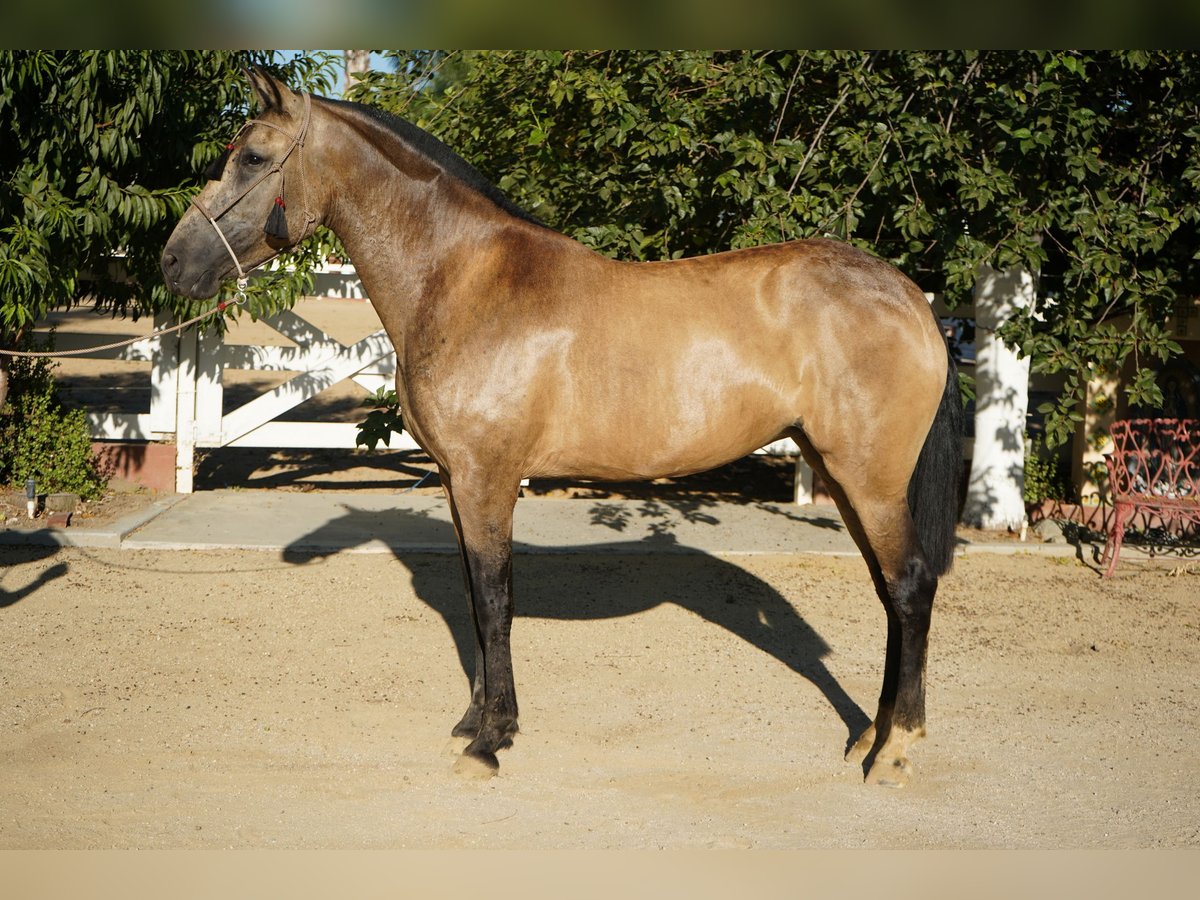
Home » International Horse Buying: Purchase, Transport & Crucial Tips!

International Horse Buying: Purchase, Transport & Crucial Tips!

by Michelle Breitenfeld
0 comments

International Horse Buying: Legal Frameworks & Regulations

The international horse trade is subject to strict legal requirements that vary depending on the country of origin and destination. Buyers and sellers must address import and export regulations, quarantine requirements, as well as customs and tax aspects early on to avoid legal issues and unexpected costs.

Import and Export Regulations

Every country has its own rules for importing and exporting horses. These include:

  • Health Certificates: Most countries require a veterinary examination and an official health certificate confirming that the horse is free from infectious diseases.

  • Blood Tests and Vaccinations: Some countries demand specific tests, for example, for Equine Infectious Anemia (EIA) or Strangles. Vaccinations against rabies, influenza, or herpes may also be mandatory.

  • Microchip Registration and Identification: A microchip or valid documentation (e.g., an equine passport) is often necessary to prove the horse’s identity.

Particularly within the EU, there is a simplified procedure via the TRACES system (Trade Control and Expert System), which facilitates animal transport between member states. Outside the EU, regulations are frequently much stricter.

Quarantine and Health Requirements

Depending on the country of origin and destination, a quarantine period may be mandatory:

  • Within the EU: Quarantine is generally not required, provided health standards are met.

  • USA & Canada: Horses from Europe must undergo quarantine, which can last between 3 and 60 days depending on the current disease situation.

  • Australia & New Zealand: Strict quarantine regulations apply to protect against the introduction of diseases, often involving stays in specialized quarantine facilities.

During quarantine, the horse is regularly monitored by a veterinarian. Costs and duration vary depending on the country and health risk.

Customs and Tax Aspects

In addition to transport costs, buyers must also anticipate customs duties and taxes:

  • Within the EU: No customs duties apply to trade within the European Union, but Value Added Tax (VAT) can vary depending on the country.

  • Import Duties Outside the EU: Importing into countries like the USA, Australia, or China can incur substantial customs duties.

  • Duty-Free Sport Horse Import: In some cases, exemptions exist if horses are imported temporarily for competitions or training purposes.

An experienced shipping agent or a customs broker specializing in the horse trade can help navigate bureaucratic hurdles and prevent delays.
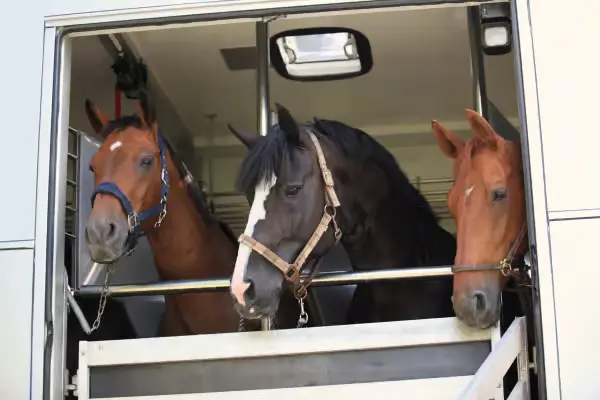
International horse sale

Horses can be transported both within and outside the EU by land or by air.

International Horse Buying: Logistics & Transport

Transporting a horse across national borders poses a significant logistical challenge. Meticulous planning is crucial to minimize stress for the horse and to comply with legal and safety regulations. Different transport methods are used depending on the distance and destination.

Modes of Transport: Air Freight vs. Overland Transport

There are two main options for international horse transport: overland transport and air freight.

Overland transport via truck or trailer is particularly suitable for shorter distances within a continent, such as in Europe. Specialized horse transporters are equipped with non-slip flooring, ventilation systems, and partitions to ensure the horse’s safety and comfort. Regular rest stops are essential so the horse can be fed, watered, and allowed to recuperate.

Air freight, on the other hand, is used for intercontinental travel, such as to Australia or the USA. Horses travel in custom transport boxes known as “air stalls,” which are loaded into the cargo hold of large aircraft. An experienced groom or a veterinarian often accompanies the flight to care for the animals during transit. While air transport is more expensive, it is often the gentler option for the horse over long distances.

Preparing the Horse for the Journey

To ensure the horse survives the transport stress-free, several preparations are necessary. A health check by a veterinarian is indispensable to confirm that the horse is fit to travel. Additionally, it should be equipped with appropriate shipping gear—this includes travel boots/shipping bandages, blankets (depending on the climate), and a lightweight halter to prevent injuries.

Ensuring adequate hydration before the journey is vital, and specialized hay is offered during long transports to support digestion. If a horse has never been in a trailer or a transport box before, early training can help alleviate anxiety and reduce stress.

Shipping Insurance and Safety Measures

Since horses are valuable living creatures, shipping insurance should be taken out. It covers potential risks such as accidents, illnesses, or even death during transit. To further enhance safety, an experienced shipping company that specializes in equine transport should be hired.

Modern GPS tracking systems and regular updates from the transporter allow for seamless monitoring of the journey. Especially on long routes, rest periods for the horse are essential to minimize stress and protect its health. Furthermore, attention must be paid to climatic differences—a horse transported from a cool climate to a hot region requires an acclimatization phase. A well-thought-out transport plan ensures that the horse arrives healthy and safe at its destination.

Buying & Selling Horses Internationally – What You Need to Know!

The international horse trade requires meticulous planning. From finding a reputable dealer to drafting the contract and calculating costs, many aspects must be considered. Good preparation protects against fraud, unexpected costs, and legal issues.

Finding Reputable Dealers and Agents

To minimize risks in the international horse trade, it is important to use trustworthy sources for buying or selling. Testimonials and reviews from other buyers can help assess the credibility of a provider. Personal recommendations from the equestrian or breeding community are often particularly valuable.

If possible, the dealer should be visited in person to check the living conditions and the health status of the horses directly. Additionally, experts such as veterinarians or professional agents can assist with the selection. A secure way to find reputable sellers is also offered by ehorses, the world’s largest horse market.

Crucial Contracts and Purchase Agreements

A legally binding sales contract is essential and should contain clear regulations on the following points:

  • Buyer and seller data (full names, addresses, contact details)

  • Exact horse description (name, age, breed, identifying marks)

  • Health status (known conditions, medical history)

  • Purchase price and payment terms (currency, due date, installment payments)

  • Right of withdrawal and warranties (in case of defects or illnesses after the purchase)

  • Transport responsibility (who bears the costs and risks)

It is advisable to have the contract reviewed by a specialized lawyer to avoid legal pitfalls.

Costs and Potential Risks

In addition to the purchase price, further costs arise that are often underestimated:

  • Transport costs (truck or airplane, depending on distance and country)

  • Import duties and taxes, especially for imports from non-EU countries

  • Quarantine and veterinary fees, primarily for intercontinental transport

  • Insurance costs, including transport or mortality insurance for high-value horses

The greatest risks include health problems during or after transport, fraud through false information or missing examinations, and the loss of the horse during the journey. Comprehensive insurance and thorough preparation help avoid financial losses.
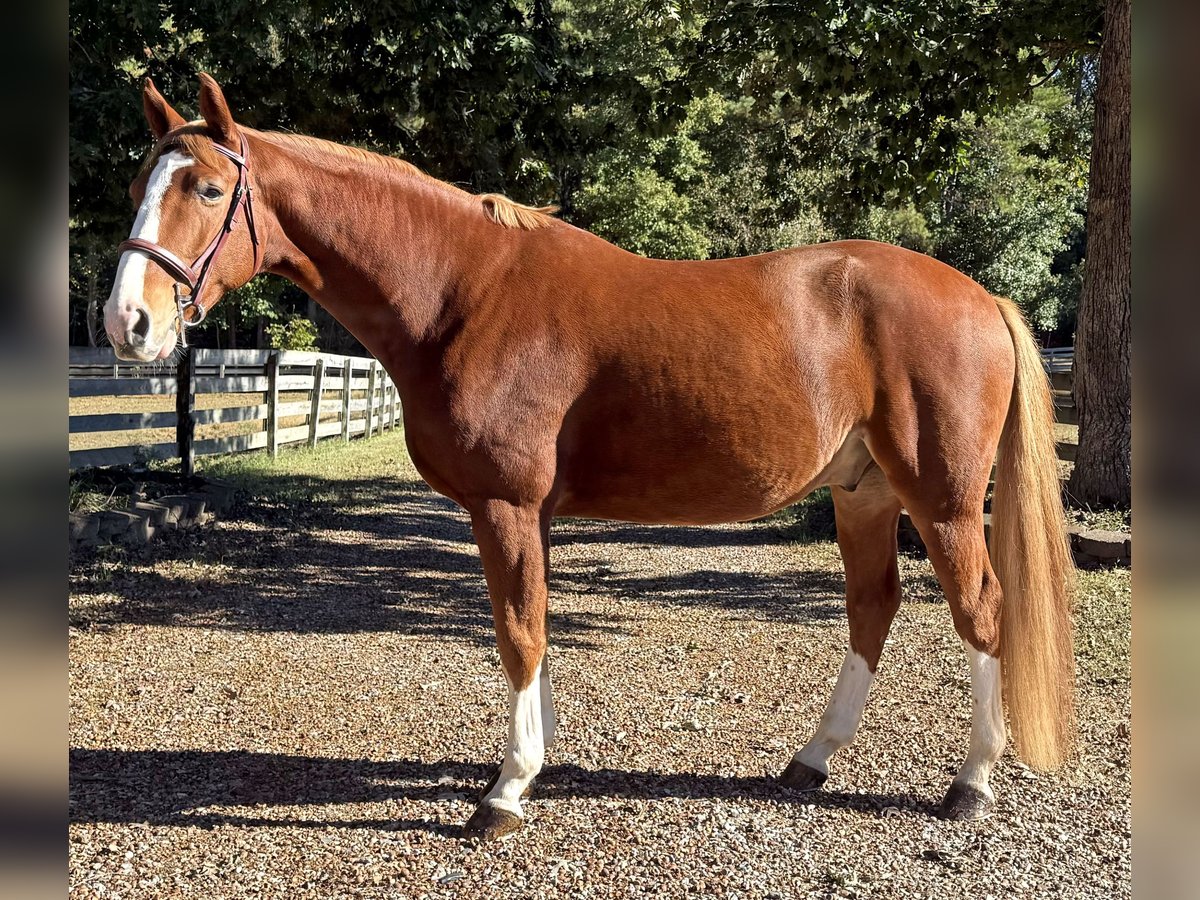
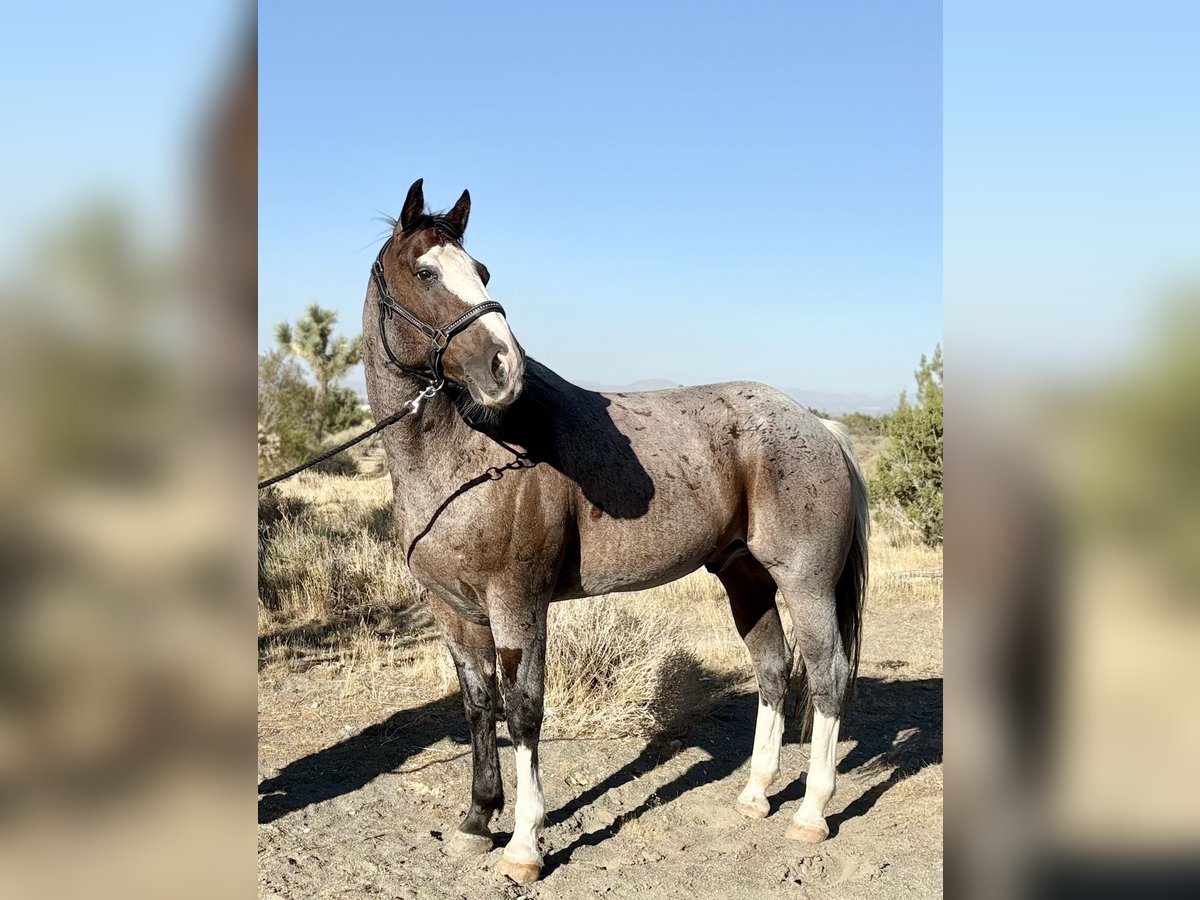
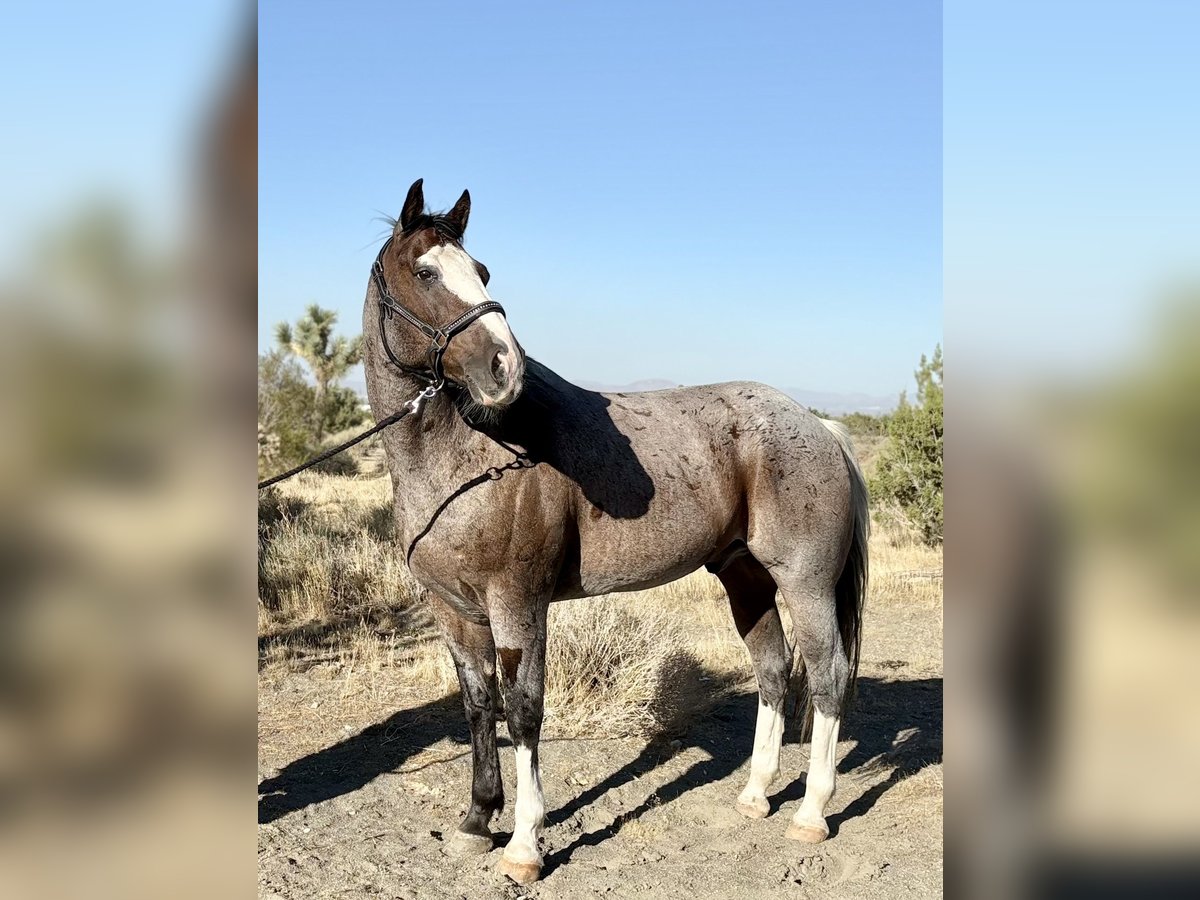
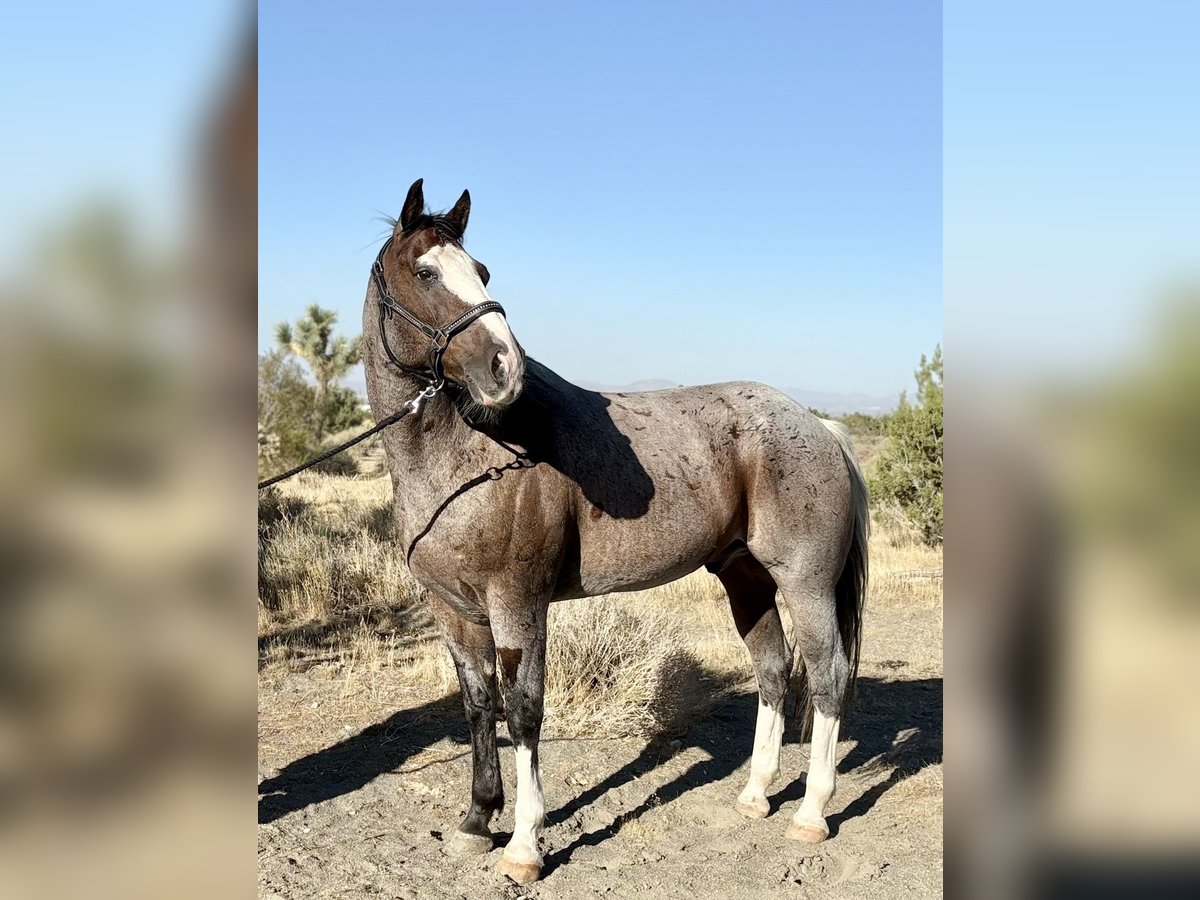
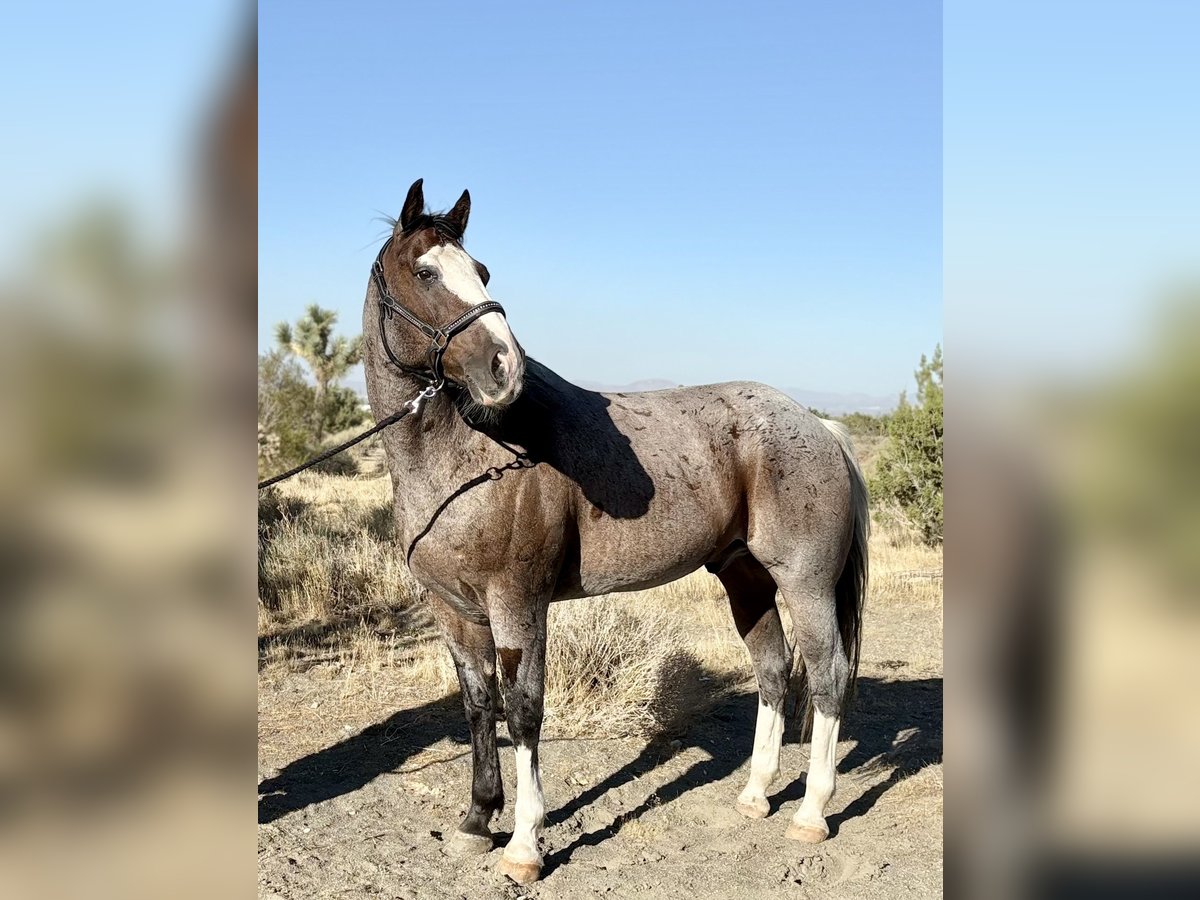
Bay horse on the paddock

Thorough preparation is essential for a successful international horse purchase.

Pros & Cons: International Horse Buying

Buying a horse abroad offers many opportunities, but also challenges. A careful evaluation of the advantages and disadvantages helps you make an informed decision:

ProsCons
Larger selection and high-quality bloodlines – Many countries have specialized breeding operations with top-tier horses for dressage, show jumping, or eventing.High transport costs and logistical challenges – Transport can cost several thousand euros, especially for air travel. On top of that are quarantine and customs fees.
Rare or specialized breeds are easier to find – Anyone looking for specific breeds (e.g., Lusitanos from Portugal, Friesians from the Netherlands) will find them faster in their country of origin.Mechanisms for personal assessment are limited – It is often impossible to see the horse in person before the purchase, meaning you have to rely on videos or reports.
Price advantages in certain countries – In countries with major horse breeding industries (e.g., Poland, Spain, Argentina), horses are often less expensive than in Germany.Health risks and hidden defects – Without a thorough Pre-Purchase Examination (PPE), there is a risk of undetected illnesses or hidden defects.
Well-trained horses from renowned yards – Sport horses from internationally recognized training stables often benefit from top-quality schooling.Legal uncertainties – Complaints or returns are difficult, especially outside the EU, as differing legal frameworks and language barriers complicate resolution.

Conclusion: Thorough Planning is Critical

Buying a horse abroad can be well worth it. However, additional costs, logistical challenges, and legal risks should not be underestimated. Thorough research, legal safeguards, and a veterinary examination are indispensable to avoid unpleasant surprises.


Trends and Developments in the International Horse Trade

The international horse trade is subject to constant change. Technological advancements and economic developments shape the market, while animal welfare and sustainability are playing an increasingly important role. Anyone looking to buy or sell a horse should be aware of current trends to make informed decisions.

Digital Platforms and Online Horse Trading

Online marketplaces like ehorses facilitate the buying and selling of horses worldwide. Detailed listings featuring videos and health reports offer buyers greater transparency, while sellers reach a much larger audience.

Sustainability in the Horse Trade

Sustainability is playing an increasing role in the horse trade. More and more buyers prefer horses from responsible breeding farms that prioritize species-appropriate care. The carbon footprint of international transport is also coming into focus, which is why some shipping companies now offer climate-neutral transport options. Anyone wanting to act sustainably should consciously opt for eco-friendly transport solutions and ethical breeding practices.

Impact of Economic and Political Factors

Global events such as economic crises and trade agreements significantly influence the international horse trade. Fluctuating exchange rates make horses in certain countries cheaper or more expensive, while new import regulations or tariffs can complicate trade. In some countries, stricter laws regarding horse keeping and medication use impact buying and selling.

Future Outlook of the Horse Trade

Digitalization and sustainability will continue to shape the international horse market, while legal and economic frameworks constantly shift. Keeping up with these developments allows you to make better decisions and minimize risks.

Safe and Successful International Horse Buying

International horse buying offers many opportunities but requires thorough planning. Reputable sellers should be vetted and, if possible, visited in person. Legal requirements and import regulations must be clarified early on. A Pre-Purchase Examination (PPE) by an independent veterinarian is essential, as is well-organized and insured transport logistics. All contract details should be put in writing and legally reviewed. By keeping these points in mind, you can safely enjoy the benefits of buying a horse abroad.

Related Posts