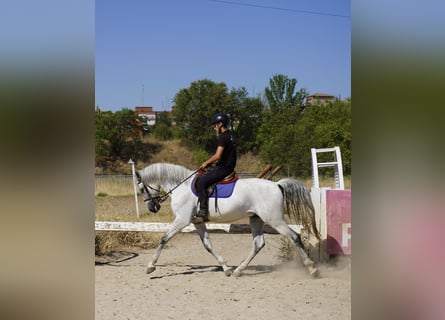
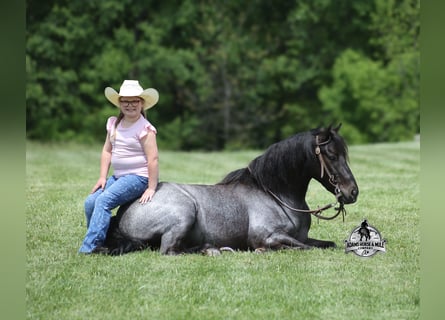
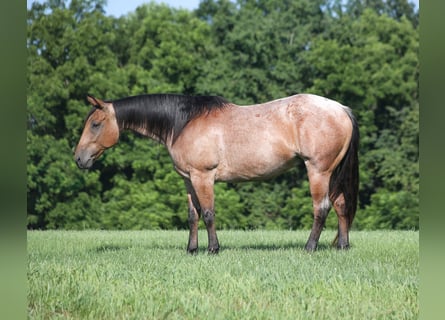
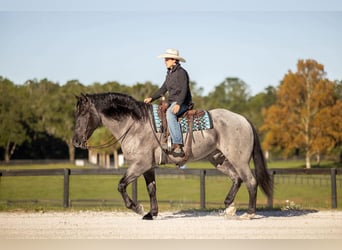
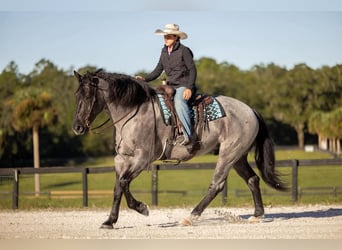
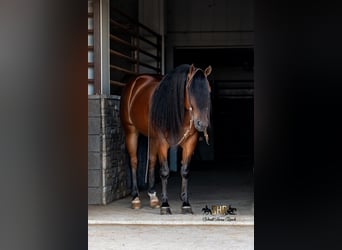
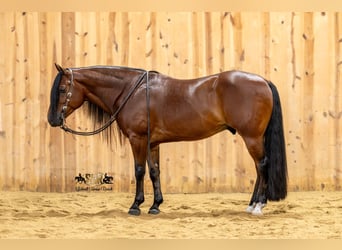
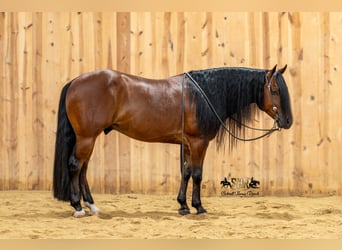
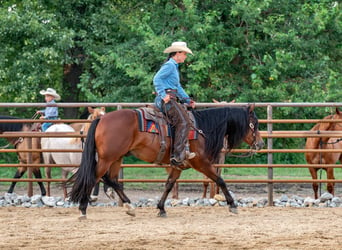
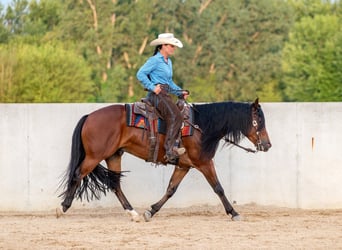
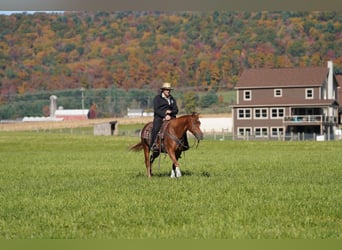
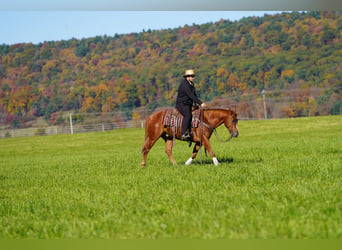
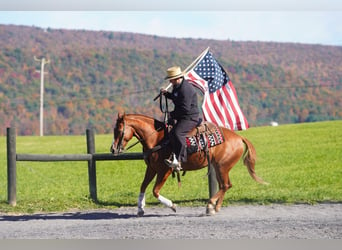
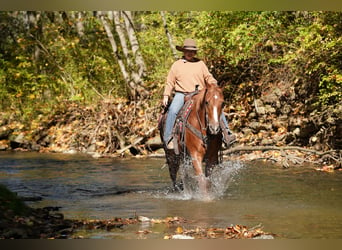
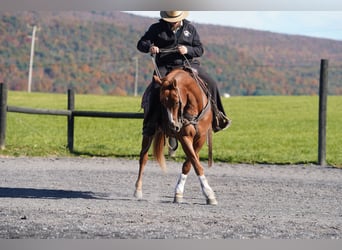
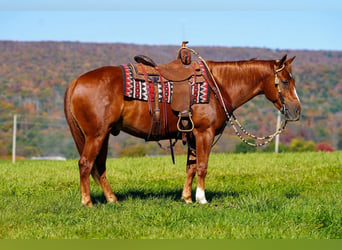
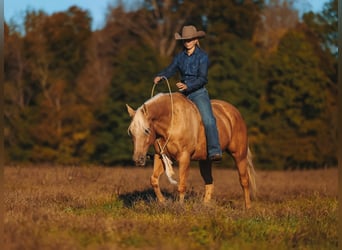
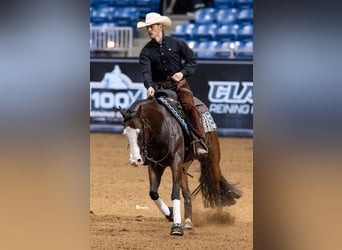
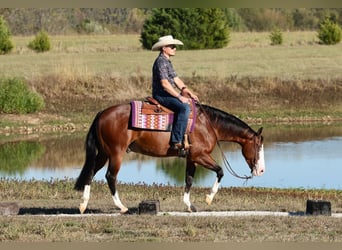
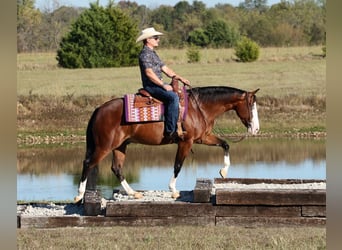
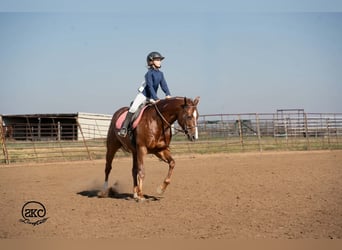
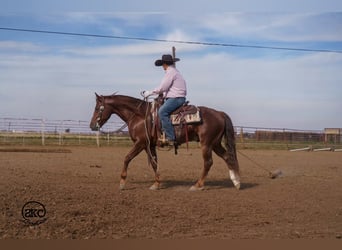
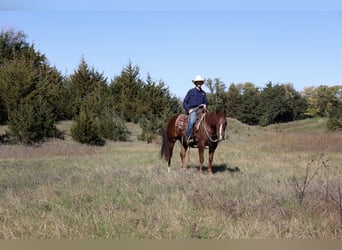
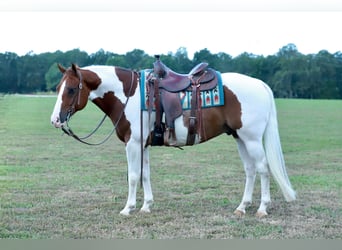
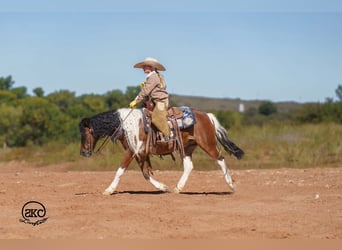
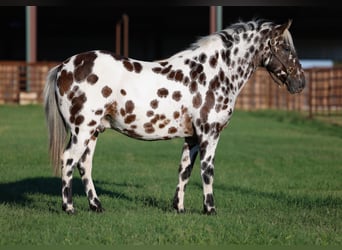
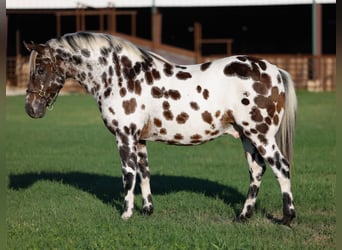
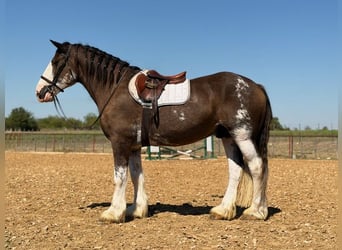
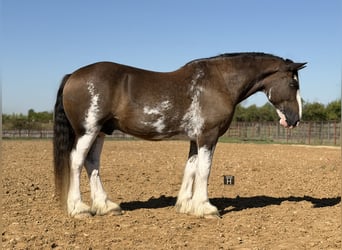
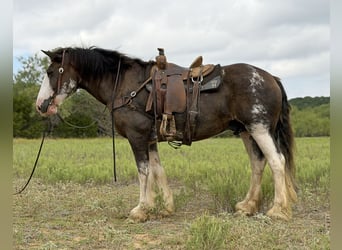
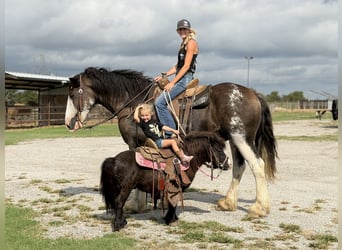
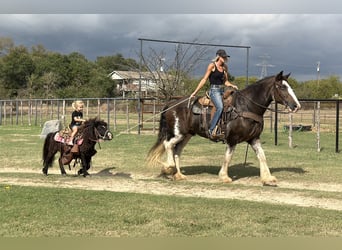
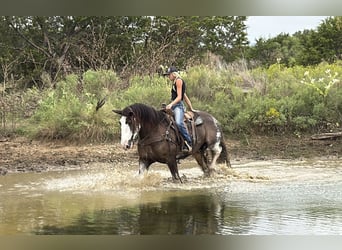
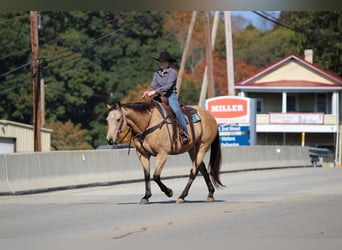
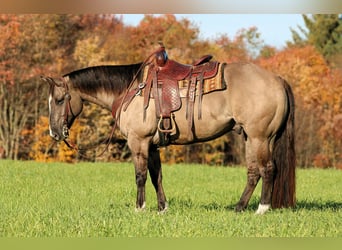
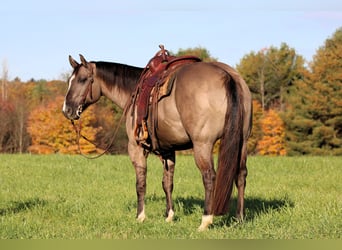
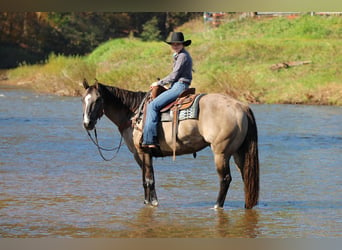
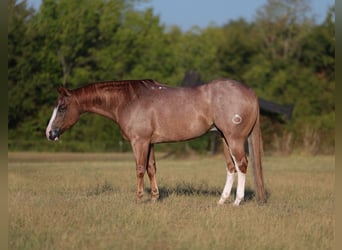
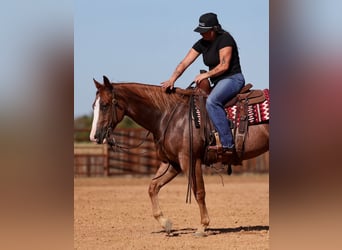
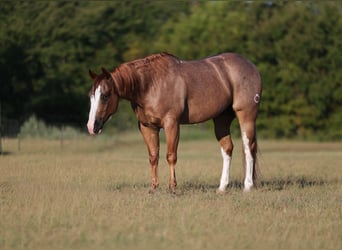
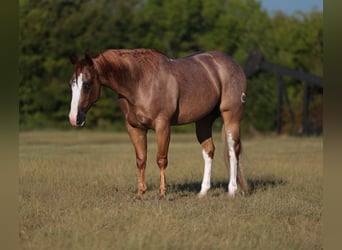
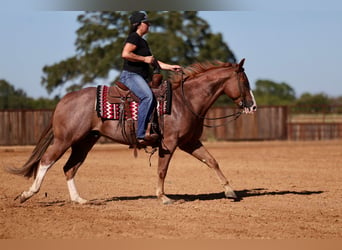
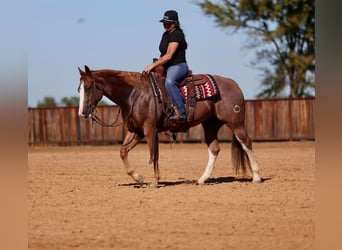
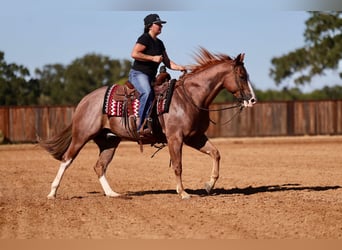
Gelding horses are a popular choice for riders and owners worldwide. A gelding is a castrated male horse, which makes them distinct from mares and stallions. Geldings are known for their even temperament, making them great companions for riders of all ages and skill levels. Additionally, their calm and gentle nature often makes them well-suited for therapeutic riding programs. In this article, we will explore the interior and exterior traits of gelding horses, as well as their history.
The Character of Gelding Horses
Geldings are known for their friendly and gentle disposition. Due to their castration, they lack the hormonal fluctuations that can cause mood swings and unpredictable behavior in stallions. This makes them more predictable and easier to train than stallions, while still retaining some of the strength and athleticism that makes horses such valuable riding partners. Geldings are also known for their intelligence and willingness to learn, making them great for novice riders or those looking for a horse that can handle a variety of disciplines.
The Appearance of Gelding Horses
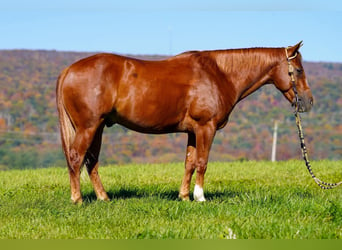
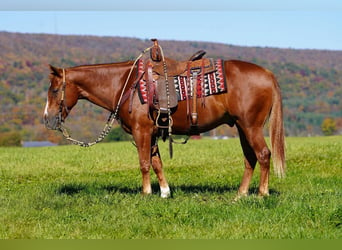
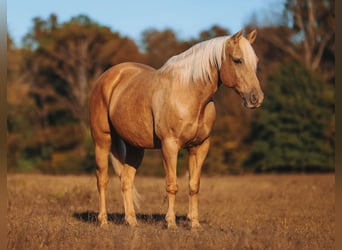
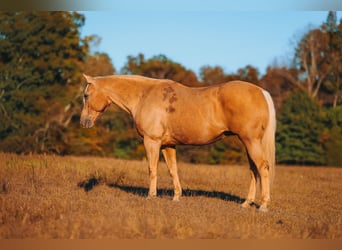
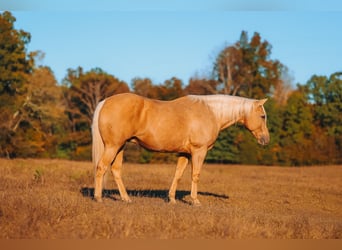
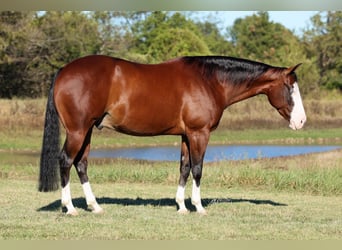
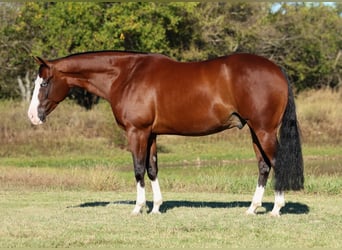
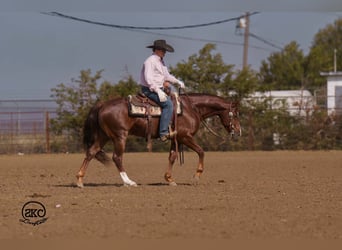
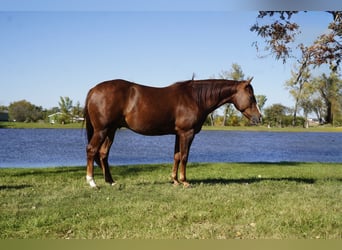
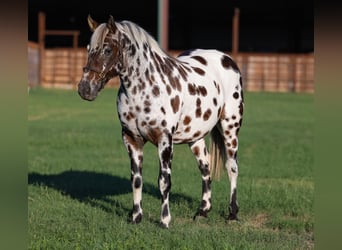
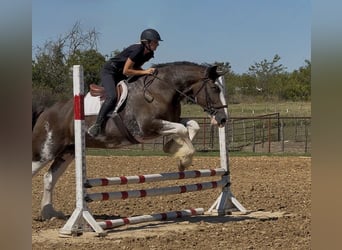
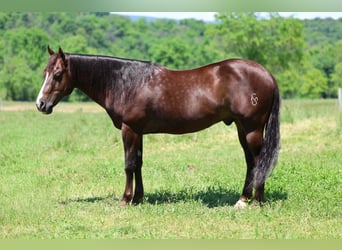
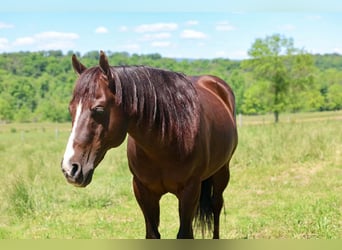
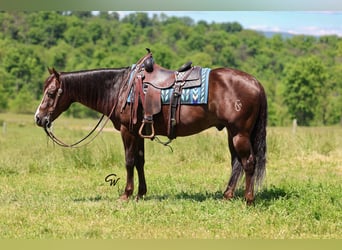
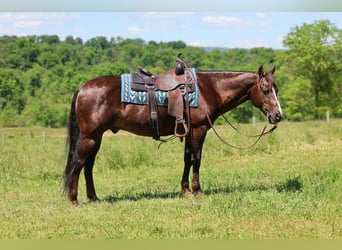
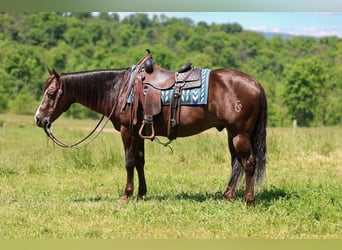
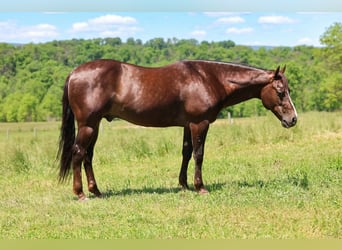
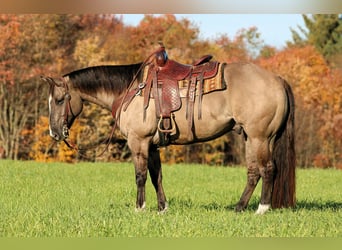
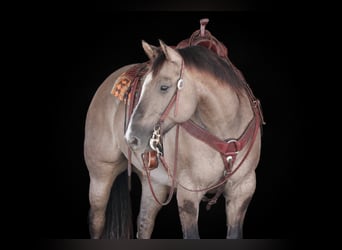
Geldings come in many different breeds and colors, each with their own unique physical traits. However, there are a few common characteristics that most geldings share. For example, geldings tend to be larger and more muscular than mares, with a more defined chest and shoulders. They also have a thicker neck and stronger hindquarters, which give them the power and balance they need to excel in activities such as jumping or dressage.
Another unique feature of geldings is their lack of reproductive organs. Because they have been castrated, geldings do not have the same level of testosterone as stallions, which can cause them to develop certain physical characteristics such as a thick neck or a prominent crest. Instead, geldings tend to have a more refined and proportional build, with a balanced and streamlined appearance. This makes them popular choices for disciplines such as eventing or show jumping, where grace and agility are important factors.
The History of Gelding Horses
Geldings have been used for riding and work purposes for thousands of years. In fact, the practice of castration dates back to ancient times, when horse breeders discovered that castrating young males could lead to calmer, more manageable horses. Geldings were used for a variety of tasks, including plowing fields, pulling carriages, and serving as mounts for knights and soldiers.
During the Middle Ages, geldings became increasingly popular as warhorses. Because they lacked the hormonal fluctuations of stallions, they were less likely to become distracted or aggressive in battle. Additionally, their strength and agility made them ideal for charging into battle or carrying heavy armor. In fact, some of the most famous warhorses in history, such as Alexander the Great's Bucephalus and Napoleon's Marengo, were geldings.
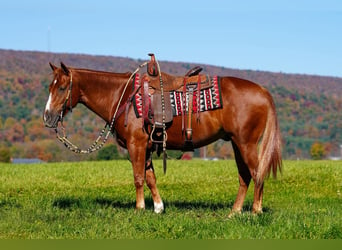
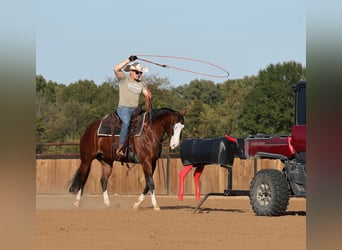
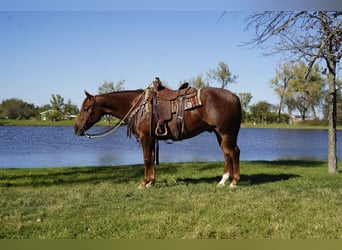
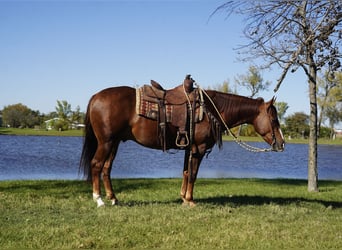
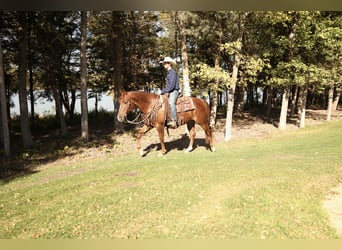
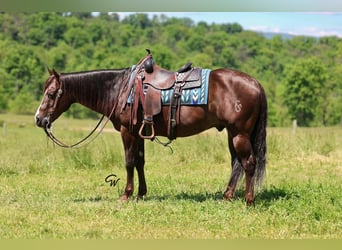
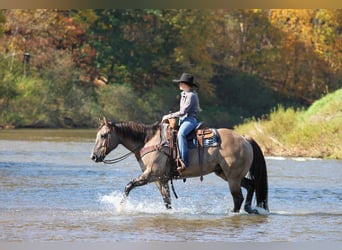
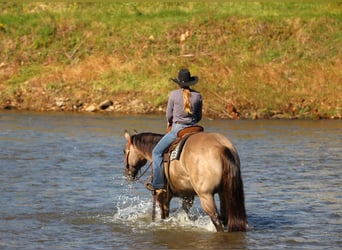
Today, geldings continue to be popular choices for riding and work. They are used in a variety of disciplines, including dressage, show jumping, and Western riding. They are also popular as trail horses and in therapeutic riding programs, where their gentle nature and willingness to learn make them ideal partners for riders of all abilities.