Home » Which horse suits me? Test yourself now!

Which horse suits me? Test yourself now!

by Michelle Breitenfeld
Published: Last Updated on 0 comments

The choice of horse breeds is very large. There are over 350 horse breeds in the world. How can you decide? Beforehand, you should definitely be clear about what exactly you are looking for, how much time you can spend on the horse, etc. These are essential factors that play an influential role in the choice of a horse. Test yourself now and find out which horse breed really suits you.

Which horse is right for me? What requirements and prerequisites do I bring to the table?

Before you fall in love with a horse, it is well worth taking an honest look at your own prerequisites and expectations. Do you prefer hacking casually through the countryside, or do you want to kickstart your competitive career? Do you already have experience in the saddle, or are you looking for a reliable beginner’s horse? The horse’s health, temperament, and training level must also match you—ensuring that your equine dream doesn’t turn into a wrong decision.

When buying a horse, there are several important criteria to consider to ensure you find the right horse for your needs. First, you should consider what purpose you are pursuing with the horse. Do you want to use it for leisure, competitive sports, or as a riding horse for beginners or experienced riders? It is essential to find a horse that aligns with your own abilities and goals.

The horse’s health is of paramount importance. Before purchasing, it is highly recommended to have a veterinary pre-purchase examination (PPE) performed to ensure the horse is free of health issues. Additionally, you should find out about the horse’s history, such as previous injuries or illnesses.

Another crucial criterion is the horse’s level of training. A well-schooled horse can be a safe companion, while an inexperienced horse can bring additional challenges. The horse’s temperament also plays a significant role in ensuring that you can build a harmonious relationship.

It is equally important to consider the horse’s management and husbandry needs. A horse requires sufficient space, grazing turnout, companions, and an adequate supply of feed and water. Before buying a horse, you should ensure that you have the necessary resources and knowledge to keep the horse in a species-appropriate manner.

How much care and time does your own horse require?

Keeping your own horse requires a significant time commitment. In addition to daily tasks, regular grooming, training, and healthcare must be integrated into your everyday routine.

Daily responsibilities include feeding, mucking out, grooming, and checking your horse’s health. Your horse also needs plenty of exercise—whether through riding, lunging, or grazing.

Regular appointments with the farrier, veterinarian, and, if necessary, an osteopath or physical therapist are also part of the routine. Be sure to set aside time for more intensive training sessions and bonding with your horse.

What kind of horse is suitable for beginners?

Basically, beginners should first and foremost choose a calm and already experienced horse. However, bear in mind that a very experienced horse will not be the best teacher for the beginner either.

Which horse breed suits me?

There are over 350 horse breeds worldwide. However, in most cases, the breed alone is not the deciding criterion when buying a horse, unless, for example, the horse is to be used for breeding. Nevertheless, all horse breeds are assigned to different horse types. These horse types exhibit certain features and characteristics. This refers to the conformation (physical traits/exterieur) and the temperament (psychological traits and behaviors/interieur).

Depending on the desired character and physical build, certain horse breeds can be examined more closely and shortlisted. In our overview of horse breeds, you will find detailed information on the various horse types. It is important for every rider to be clear about which discipline the horse will be used for before purchasing, as not all horses are suitable for every desired discipline.

Which horse personality suits you?

Every horse brings its own character—from calm and reliable to sensitive or lively. These personality traits influence not only the handling in the stable but also the dynamics in the saddle. Therefore, it is important to choose a horse that complements not only your riding style but also your own nature.

Similar to humans, horses have a wide variety of different characters. The character shows itself both during riding and in handling the horse, and is a combination of genetics and environment. There are calm, patient, forgiving, sensitive, stubborn, steady-nerved, and balanced horses. Willingness to perform and temperament also play a role. Beginners should start with calm and serene horses. For experienced riders, there is no one-size-fits-all recipe. A high-strung and restless horse can be well-handled by a calm or equally high-strung rider. However, the horse’s character is crucial for the relationship between rider and horse, making it an important criterion during the trial ride.

A dressage horse in an outdoor arena

The horse and rider must be a good match—they need to have good chemistry, and certain requirements must be met.

How Well-Trained Should Your Horse Be?

Learning is a two-way street—you learn from your horse, and your horse learns from you. For a partnership to harmonize from day one, the horse’s level of training should match the rider’s experience. There is a massive amount of responsibility—and potential—lying between a “solid baseline” and being “show-ready.”

The ideal training level depends entirely on the rider’s background. An inexperienced rider should always opt for a horse with solid basic schooling. Conversely, an ambitious competitive rider will have higher expectations to ensure they can successfully compete in their chosen classes with their new partner. The most critical factor is that the horse can demonstrate its strengths in your preferred discipline and match your current capabilities.

What is the Ideal Age When Buying a Horse?

Age is more than just a number—it significantly impacts both behavior and long-term health. While older horses are typically calmer and more experienced, younger horses offer greater development potential. It is vital to weigh which option best aligns with your goals, riding skills, and expectations.

Generally speaking, older horses are more experienced and consequently more level-headed than youngsters. If you are looking for a reliable, seasoned partner, you should avoid very young horses.

Age can also affect a horse’s health. Keep in mind that younger horses generally have less wear and tear, meaning they can often be ridden over a longer span of years. On the flip side, older horses may already show age-related health issues, such as arthritis or other joint problems. When purchasing an older horse, it is highly advisable to thoroughly examine its health status and consider a comprehensive vet check. Of course, remember that every horse is an individual, and health conditions can arise at any age.
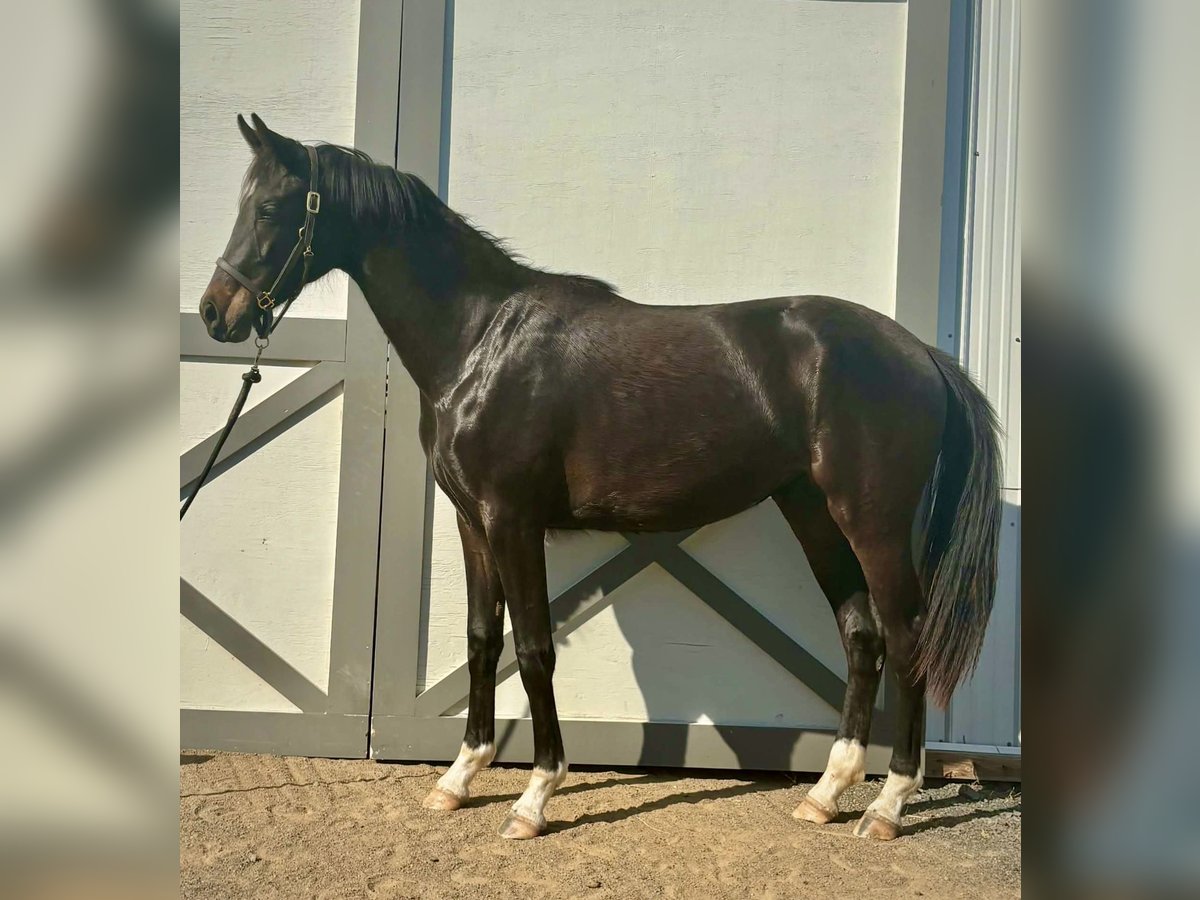

What size of horse suits me?

If you are small yourself, you should choose a smaller horse. Tall riders will go along better with larger horses. Nevertheless, it is merely a generalisation and there are other factors which play a significant role.

Which Height Matches Your Stature?

Not every horse is a physical match for every rider, even if their personalities click perfectly. Height, weight, and riding balance play a major role when choosing the appropriate height (in hands or cm). Only when the proportions are correct can your horse move under you in a healthy, relaxed manner.

There is no strict rule dictating exactly what size horse a rider needs. However, it is vital that the rider is not too large or heavy for the horse. Excessive rider weight can cause long-term health issues, and the horse must be able to balance the rider’s weight comfortably—especially if the rider has a larger frame, which raises the overall center of gravity.

Stallion, Mare, or Gelding – Which is the Right Fit?

Whether it’s a mare, gelding, or stallion, each gender brings unique behavioral traits. It isn’t a matter of right or wrong, but rather about which horse best harmonizes with your handling style, experience level, and daily routine. The best choice is simply the one that works for you in the long run.

Stallions often display impressive, proud behavior. These uncastrated horses can be difficult to handle and demand highly consistent, confident leadership. Geldings, due to being castrated, are typically more easy-going and simpler to manage under saddle.

Mares can be somewhat headstrong and trickier to handle, particularly when they are in season . For beginners, a gelding is often recommended. However, as living creatures, horses are highly individual. Every horse has its own distinct personality, and past experiences, training, and socialization play a monumental role.

Ultimately, the horse must be able to meet the rider’s requirements so that both can enjoy a happy future together. Before buying, the horse should absolutely be taken on a trial ride to evaluate whether the chemistry between human and animal is truly a match.

Related Posts