Important data at a glance
- Origin: South Tyrol (Italy), Tyrol (Austria)
- Main breeding area: Italy, Austria, Germany
- Type: harmonious, well proportioned, compact
- Head: Dry head with broad forehead, straight to slightly concave nose bridge, large nostrils, small, mobile ears, lively, large eyes.
- Neck: Relatively short, but well set on, pyramidal.
- Body: relatively steep shoulder, broad chest, pronounced saddle, long, strong back, compact rectangular horse, luxuriant long coat
- Legs: dry, strong pasterns and joints, well muscled hindquarters. Well formed, hard hooves
- Size: according to breed standard between 54 – 58 inches in stature, larger animals do occur but are not accepted for breeding.
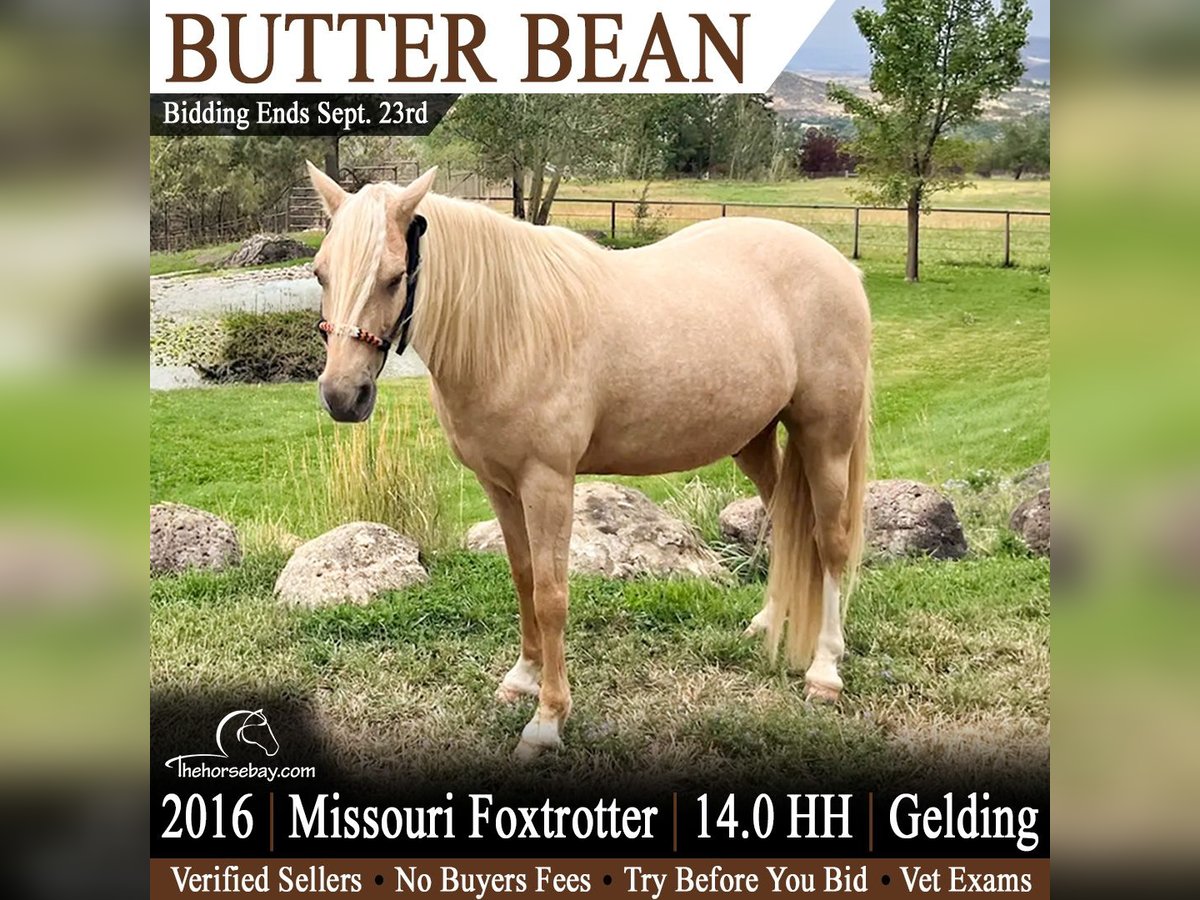
- Colours: All fox colours permitted, from cabbage fox to Isabellen. Markings on the legs only conditionally desirable, markings on the head only limited, for example star or blaze, lantern undesirable.
- Suitability: Leisure, equitation, driving.
Country of provenance/origin of the Haflinger
When the Tyrolean horse breeder Josef Folie from the village of Hafling brings his mare to the Arabian stallion put up as a stud in 1873, he cannot foresee that this foal, born in 1874, will become the progenitor of a new horse breed. Josef Folie hoped for the connection to create a sure-footed, lighter horse for work on the mule tracks on the mountain. His hopes were not only fulfilled, but far exceeded. The golden chestnut foal, registered as “249 Folie”, developed so favourably that he in turn was used for breeding. He and his offspring are the progenitors of all Haflingers now bred on all continents. In 2005 there were about 250,000 Haflingers worldwide, which confirms the popularity of the cool, blond horses.
How old can a Haflinger become?
Haflingers mature late, but they get very old. 30 years at best health are not uncommon.
Over 100 years of breeding history
Compared to the history of other horse breeds, 100 years is not much – but in the case of the Haflinger, some momentous events have taken place in these now almost 150 years. When Folie was born, his homeland belonged to Austria. After the First World War, South Tyrol became Italian. An important stud mare population existed in South Tyrol, only a few stallions were on Austrian territory. Fortunately, visionary breeders and horse lovers were found, mares were exported to Austria, stallions were placed in Italy as studs.
As early as 1921, a national horse breeding commission was set up in Italy, and at the same time the first Haflinger horse breeding cooperative was founded in North Tyrol. In the years between the wars, Haflinger breeding took a positive course, and in the 1930s many Haflingers were sold to the army, mainly for use in the mountains. The Second World War initially meant a halt, but in the post-war years the breed was successfully expanded. In particular, the Haflinger Breeders’ Association Tyrol has rendered outstanding services to the international spread of the breed.
Breeding lines and crossbreedingy
Even though half of the Haflinger can be traced back to the Arabian thoroughbred, the further crossing of foreign blood was strongly restricted. Once the breed had established itself as a type, the aim was to keep it as pure as possible and to improve it exclusively through selective mating. The seven bloodlines A, B, M, N, H, S, St and W were created, each with a famous founder: Anselmo, Bolzano,Massimo, Nibbio, Hofrat, Salurn, Student and Willi. The A and N lines are among the best known today.
One of the unpleasant aspects of Haflinger breeding is that there are breeding farms, mainly in Italy and France, which breed the Haflinger exclusively for horse meat production. The Tyrolean Breeders’ Association also sells colts that are not suitable for breeding as animals for slaughter every year. Again and again Haflinger foals are bought up to save them from the butcher under the motto “Haflinger in need”.
Little known is the fact that Haflingers are also used for food production – not as slaughter animals, but for obtaining mare’s milk. Haflinger mares usually have so much milk that half can be milked off and there is still enough left over for the foal.
What is the height of a Haflinger?
The height is between 54 and 58 inches.
Characterisation of the Haflinger horses
Haflingers are easy to get along with, visually an eye-catcher among horses and versatile – not for nothing are they among the most popular ponies ever. Originally from South Tyrol, the breed has developed from a robust draught and pack horse into a modern, rideable family and leisure pony that is convincing with its versatile range of uses. Whether dressage and jumping exercises, driving or trail riding, Haflingers always prove to be reliable and sure-footed companions. But also their noble appearance is more than worth seeing, because with their harmonious, medium-strong build they appear robust but still elegant. Those who meet them usually recognise the breed immediately, and this without being a horse expert – the typical chestnut colour paired with light long hair is unmistakable in the Haflinger.
Top 10 Haflingers
Appearance of the Haflinger Horse
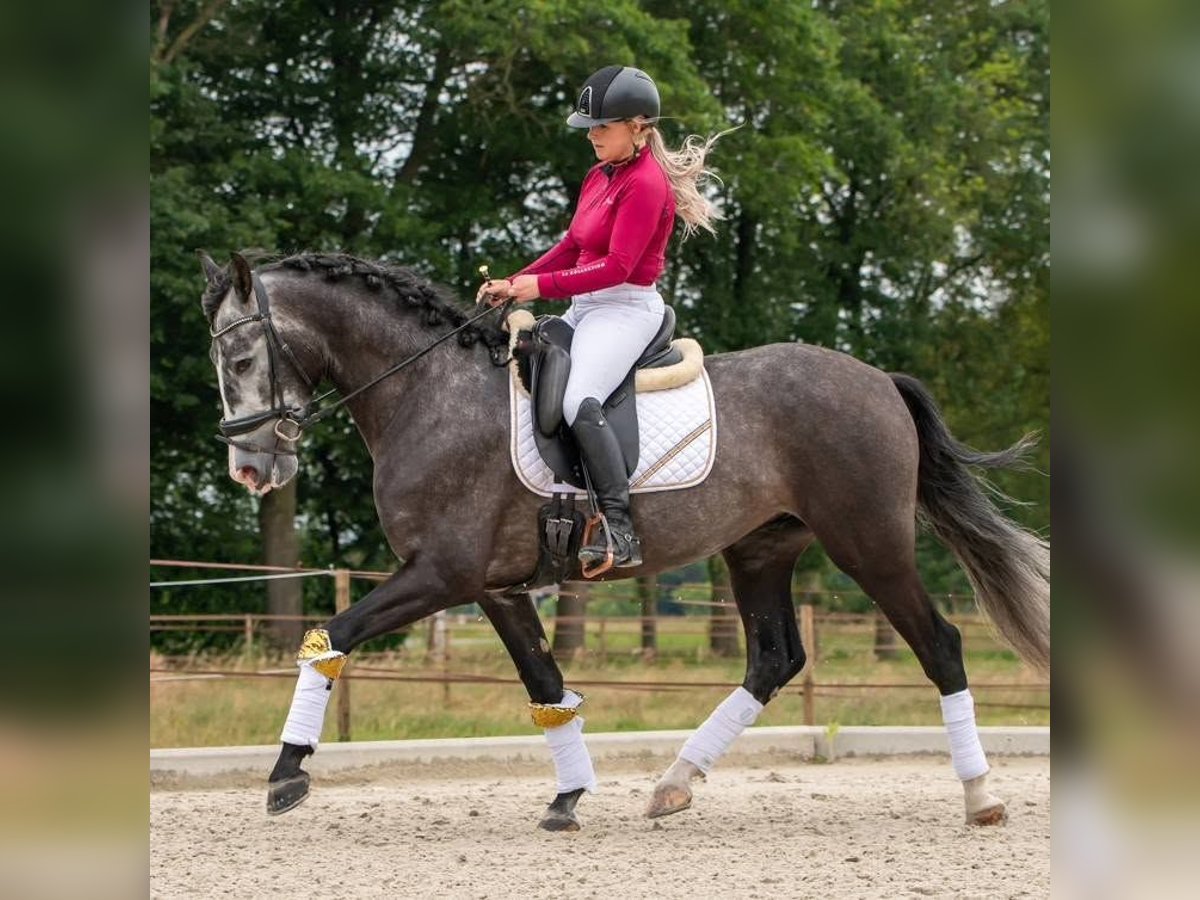
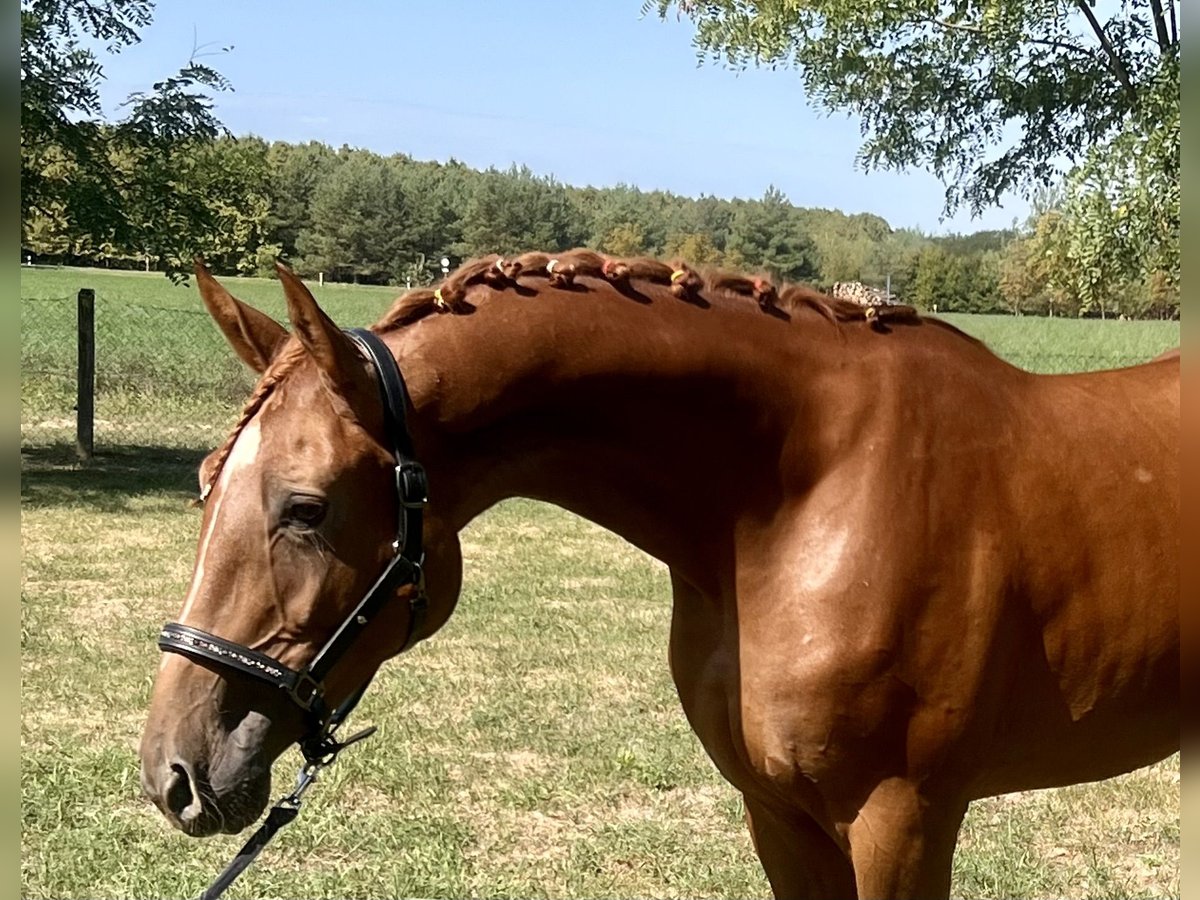
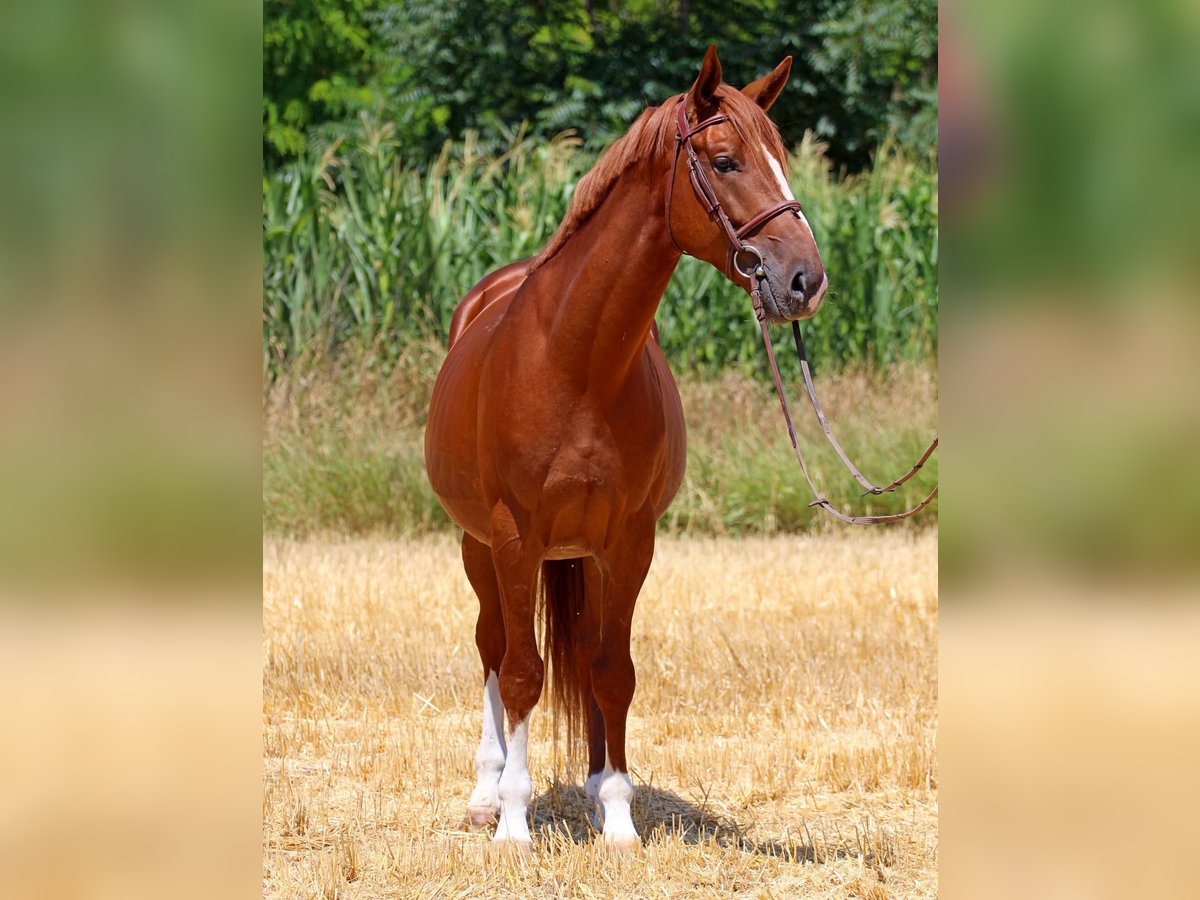
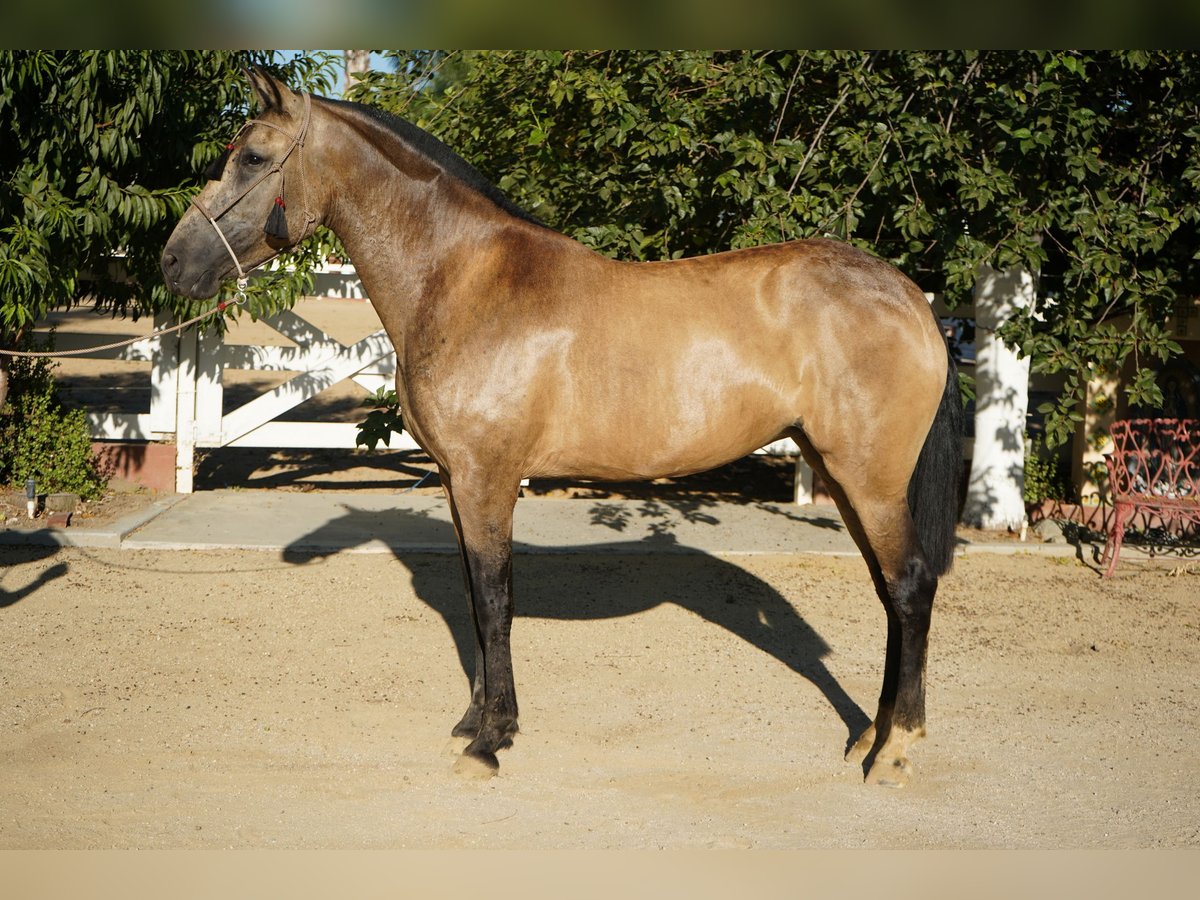
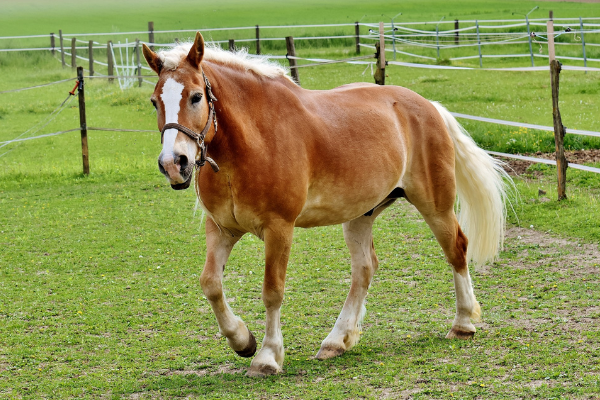
The Haflinger reaches a height of about 54 to 58 inches and presents itself as a medium strong, noble pony with proper, strong shapes and a harmonious build. The well set, dry head appears very expressive with its large nostrils, mobile ears and vivid eyes. Desirable is a not too strong, pyramidal neck of good length, blending harmoniously into the body, as well as a clearly defined, dry withers and a muscular, broad and long croup.
Overall the body should be rectangular and convincing with longitudinal oval ribbing, a broad, well muscled chest as well as a long, well sloping shoulder. The correct, dry foundation is characterised by clear, large joints, not too flat and hard hooves as well as strong pasterns and a very muscular hindquarters. The breed-typical coat colouring is also striking in the appearance. Haflingers come as chestnut with different colour shades, preferably golden chestnut, and have a light, smooth long coat. Undesirable are spiky hairs and markings in the area of the legs.
Impressions of the breed

Character traits
Haflingers are extremely sociable and robust ponies, which are excellently suited as family and leisure horses due to their high willingness to learn and perform. Easy exercises in dressage or show jumping, as a carriage, riding or even therapy horse – Haflingers are versatile and always demonstrate reliability, surefootedness and loyalty. They show themselves to be people-oriented, friendly, light-feed and uncomplicated in husbandry, accompanied by a remarkable frugality.
Haflingers – thick, stubborn ponies?
Unfortunately, this reputation precedes the compact mountain horse. And not always entirely unjustified. The Haflinger is usually quite intelligent and knows how to assert itself. If he succeeds in doing so, for example, towards his owner or handler, this leads to the Haflinger increasingly deciding for himself what is best for him. He resists in order to assert his own will. And immediately he has acquired the predicate “stubborn”. Yes, it’s true, these lovable lads need a consistent upbringing. And you have to be prepared for some mischief with them. Unravelling the knot on the lead rope or opening stable doors or paddock gates are just a few examples of the inventiveness of these clever fellows. But if you are prepared and proud of owning a clever pony instead of a sloppy one, you will have a lot of fun with the Haflinger – given a solid training.
Areas of use for Haflingers – a true all-rounder
Most Haflingers today are used in the field of recreational sports. In earlier times, they were used as pack and riding animals in their native Austria, mainly on farms, where they were indispensable work animals both in the valleys and on farms high up in the mountains. In the First World War they were used as pack animals by the mountain divisions. Even today, the Haflinger is characterised by its surefootedness in difficult terrain and its ability to carry heavy loads. Although they belong to the pony breeds, they have advanced from being a children’s riding horse to a family horse – they carry the family grandpa on a Sunday ride as well as the granddaughter on a pony walk.
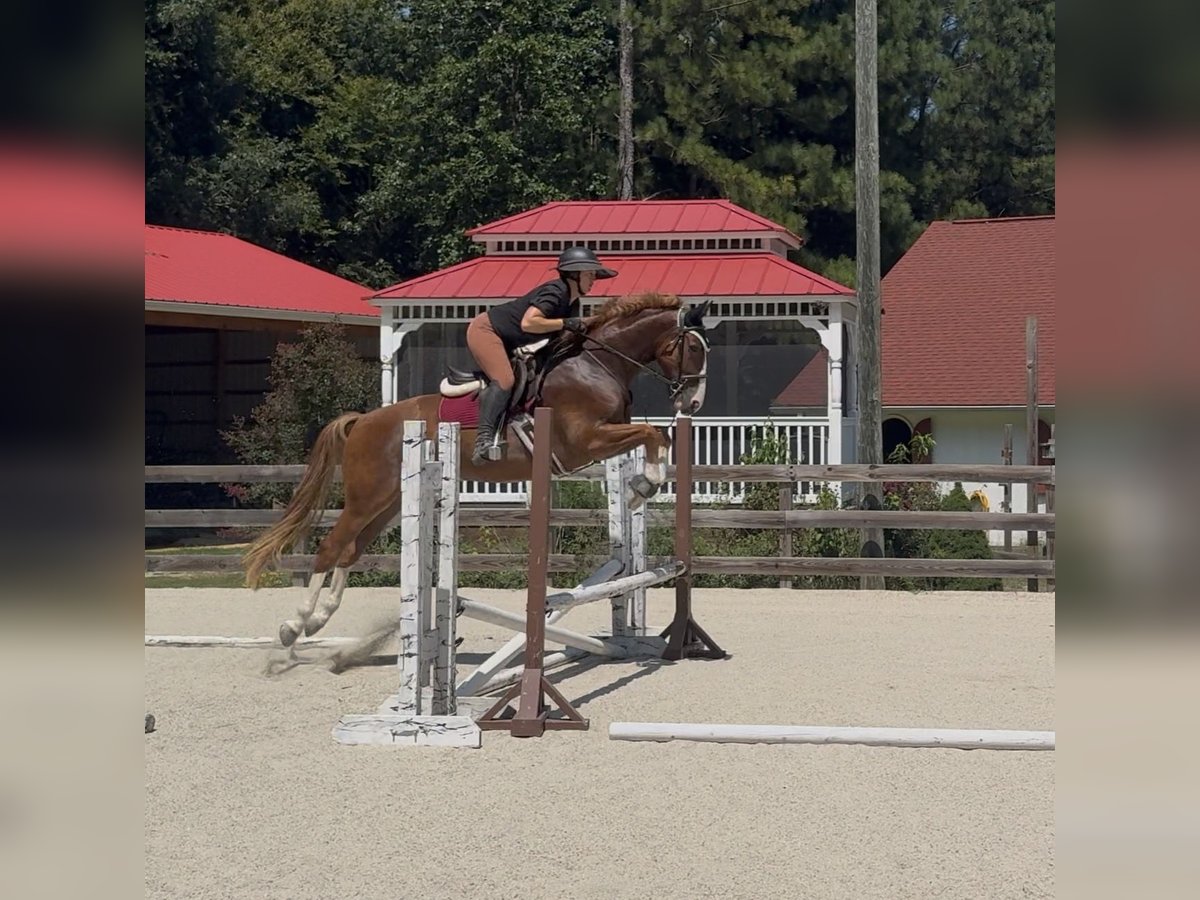
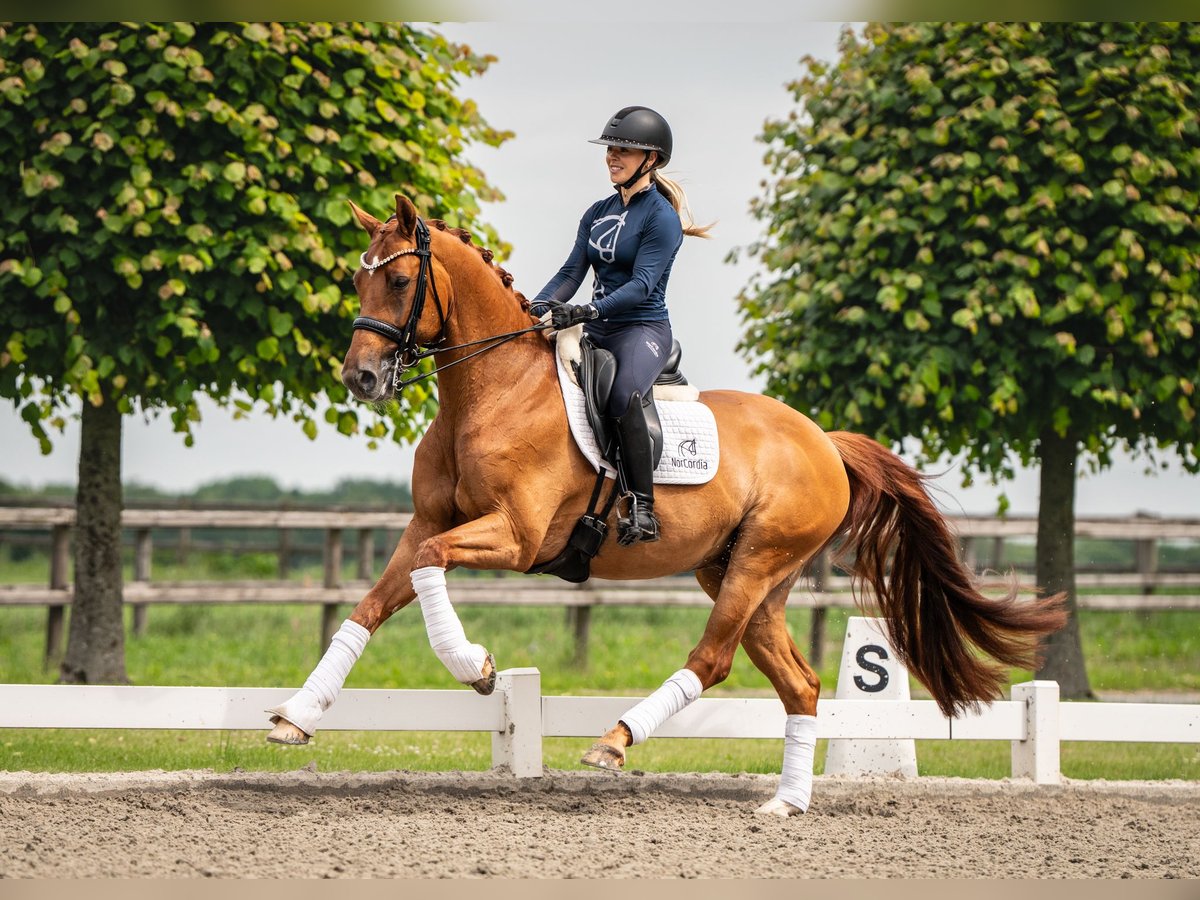
They can be found on the competition grounds, where there are Haflingers with astonishing jumping ability, others inspire in dressage. Many Haflingers can be found in western riding. They can also be admired in horse shows, as their intelligence makes it easy for them to rehearse and perform. Quadrilles with Haflingers show enchanting pictures. In front of the carriage they can be used in single and multi-horse carriages, again for leisure time as well as in competitions. But most Haflingers are to be found in the field of leisure riding. As a beloved pony behind the house, as a loyal companion on adventurous trail rides, as a buddy and companion on rides all the way to the autumn hunt.
Are Haflingers stubborn?
Only if their upbringing and owner allow it. They are strong-willed and extremely clever due to their intelligence. If a Haflinger has received a consistent upbringing and solid basic training, it is no more stubborn than any other horse. However, once the mischievous horse has found out how to outsmart " its" human and that it can possibly achieve advantages with its "stubbornness" - yes, then it can be very stubborn.
The Haflinger in the horse riding school
Haflingers are characterised by their willingness to learn and their eagerness to work, and they are also the appropriate size for children and adults. The horses, which are only medium in size, are often used on pony ranches and children’s riding schools as beginner’s horses, as they have strong nerves, are reliable and well-balanced. These are invaluable qualities for a horse that should initially infuse the beginner with confidence.
However, it is advisable to have the beginner horse “corrected” by experienced riders on a regular basis, as otherwise the clever fellows can all too easily get into the habit of unpleasant tricks and, for example, like cutting corners or reacting rather hesitantly to rider commands. In general, corrective riding should be done regularly with every beginner horse, but unfortunately this happens far too infrequently in practice. Especially with Haflingers, which need consistent guidance, this leads to them being condemned as “stubborn” and “badly ridden”. Anyone who has experienced a well ridden Haflinger that stands cleanly at the aids cannot share this prejudice.
Training of a Haflinger
Like all pony breeds, the Haflinger is a late bloomer, but many pony breeds grow much older than large horses. You should give the young horse time to develop, and it will reward you with enthusiasm and a long life expectancy. This does not mean, however, that you should delay training until the Haflinger is an adult. Quite the contrary. The earlier you start to teach young horses the principles of togetherness in a playful way, the better.
Already the foal can be introduced to a variably adjustable halter, it is slowly but surely made halter-handled, it learns to give all four feet and to keep still at the farrier. You can do ground work with the foal and young horse, exercises that interest and gymnastize the horse. Later, work on the lunge line is added, then the gentle introduction to work under saddle or in harness. But one thing is important in all of this: consistency.
Known horses of the breed
The first cloned horse in the world is a Haflinger, the mare Prometea, born in Cremona (Italy) in 2003. She is suitable for breeding and gave birth to the stallion Pegaso five years later. The cloning of horses is intended to help preserve valuable genetic material. A gelding that is successful in sport can no longer pass on its genetic material. Cloning opens up completely new possibilities here.
How much does a Haflinger cost?
There is no general answer to this question, but due to the steadily increasing popularity, there is also an increasing price level. If you want to buy a Haflinger, you first have to know what you are looking for: a leisure horse, a carriage horse, a show horse? Younger or older? What level of training should the horse have? All this plays a role in the pricing. The price level ranges from about $2000 for a foal to about $5,000 for a well-trained Haflinger and is open upwards for the successful sport Haflinger.