Important data at a glance
- Country: USA
- Type: gaited horse
- Colour: all colours
- Weight: 947 – 1366 lbs
- Height: 55 – 64 in
- Discipline: Leisure, endurance & trail riding
Breeding history and origin of the Missouri Fox Trotter
Missouri Fox Trotters have been known for more than 150 years and were first bred in the Ozark Mountains in Arkansas and Missouri by the early settlers who lived there. In the mountains, with their rough and uneven terrain, the settlers needed horses that were easy to ride, sure-footed and had endurance, that could handle inclines and cover longer distances at a steady pace. These first breeders were settlers who came from Kentucky, Virginia and Tennessee, crossed the Mississippi for the first time in 1821 and settled in the Ozarks from then on. The natural predisposition to the foxtrot, the “broken step”, was further encouraged by breeding, as it proved favourable for movement on the difficult ground of the mountainous landscape. Because of this quality, but also because of the flat and fast pace as well as the pleasant canter, the Missouri Fox Trotter became the most valued horse breed in the Ozarks.

The first breeders were settlers who came from Kentucky, Virginia and Tennessee, crossed the Mississippi for the first time in 1821 and settled in the Ozarks from then on.
The reliable and comfortable to ride horses were very popular with all riders who had to ride long distances, including cattle breeders, sheriffs or country doctors. Even after the rise of the automobile, Missouri Fox Trotters continued to be bred, primarily for ranch work, and were quickly nicknamed the “Cowboy Cadilac” or “Cowboy Rolls Royce”. Since they proved to be a perfectly suitable workhorse for the demanding cattle work, Missouri, at that time the second largest cattle supplier, continued to use them despite the advancing motorisation of agriculture. In order to ensure the continuation and maintenance of the breed, the American breeding association Missouri Fox Trotting Horse Breed Association was founded in 1948 with its headquarters in Ava/Missouri. Since 1959, the annual World Championship of the Missouri Fox Trotter has also been held here. Today, the breed is not only widespread in Missouri, but in the entire USA. The breed is appreciated by trail and recreational riders as well as by U.S. Forest Rangers, who use the Fox Trotter as a safe riding horse in the nature reserve of Yellowstone National Park, among other places. The total population of the breed today is about 89,000 horses registered mainly in the USA, but also in Canada, Europe and Israel.
How heavy does a Missouri Fox Trotter get?
The weight for this breed is estimated to be between 947 to 1366 lbs.
Breeding history of the Missouri Fox Trotter in Europe
The Missouri Fox Trotter has only been known in Europe for about 25 years.
Individual horses are said to have been imported to England by the Queen in the 1950s, but the breed was not known to a larger public until the 1990s. However, the Missouri Fox Trotter remains rather exotic. Thus, in 2010, there were only about 650 horses in the whole of Europe, most of them in Germany, Austria and Switzerland, where several breeders have established themselves
How tall does a Missouri Fox Trotter grow?
The height of a Missouri Fox Trotter ranges between 55 - 64 inches.
The Missouri Fox Trotter and its appearance – an expressive gaited horse of medium size
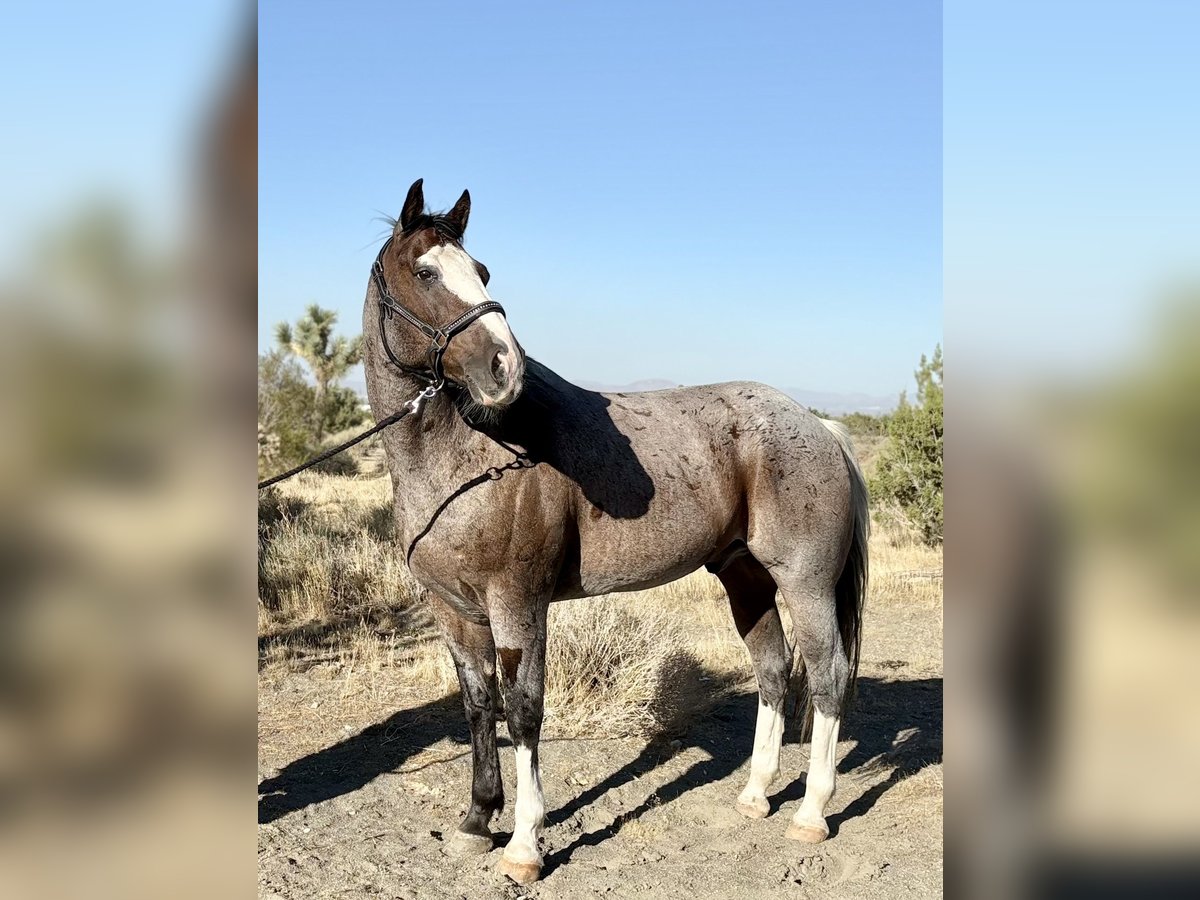
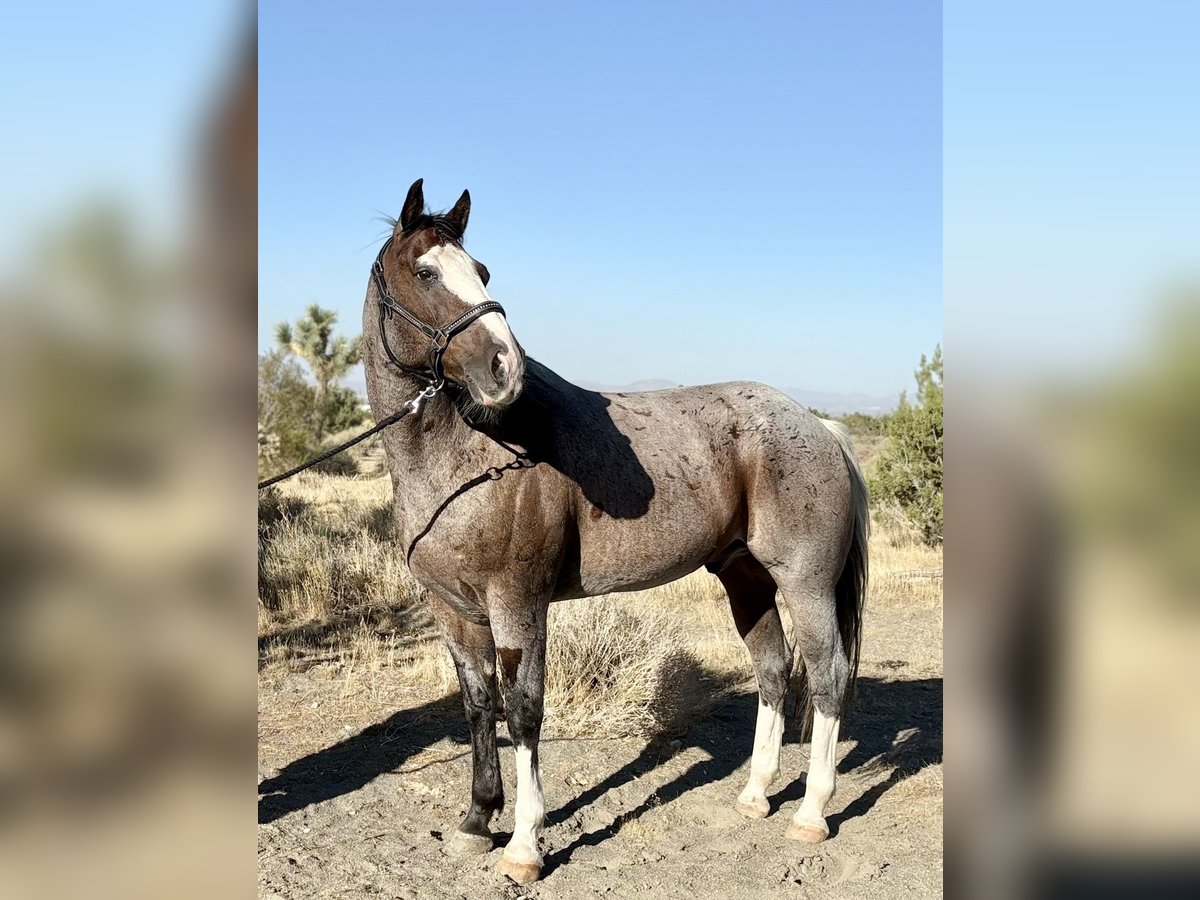
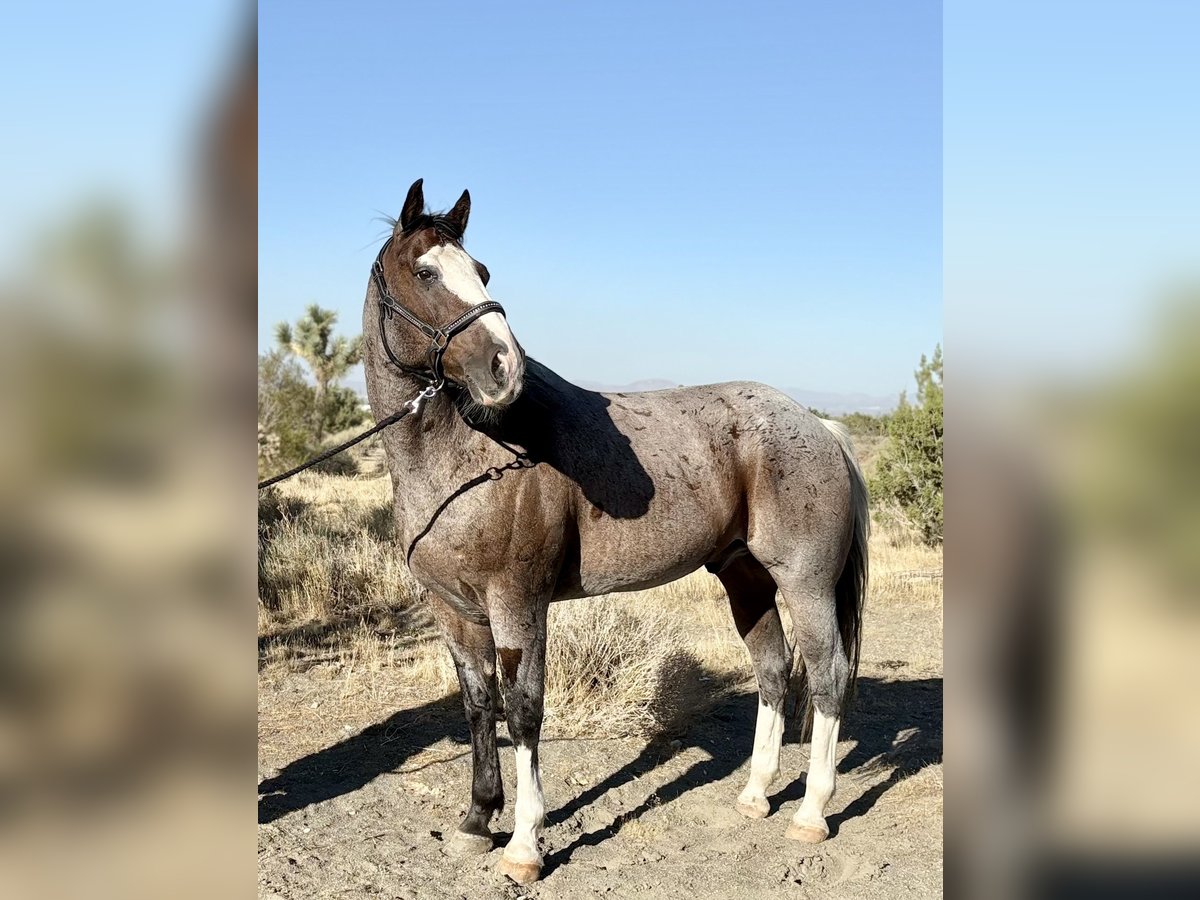
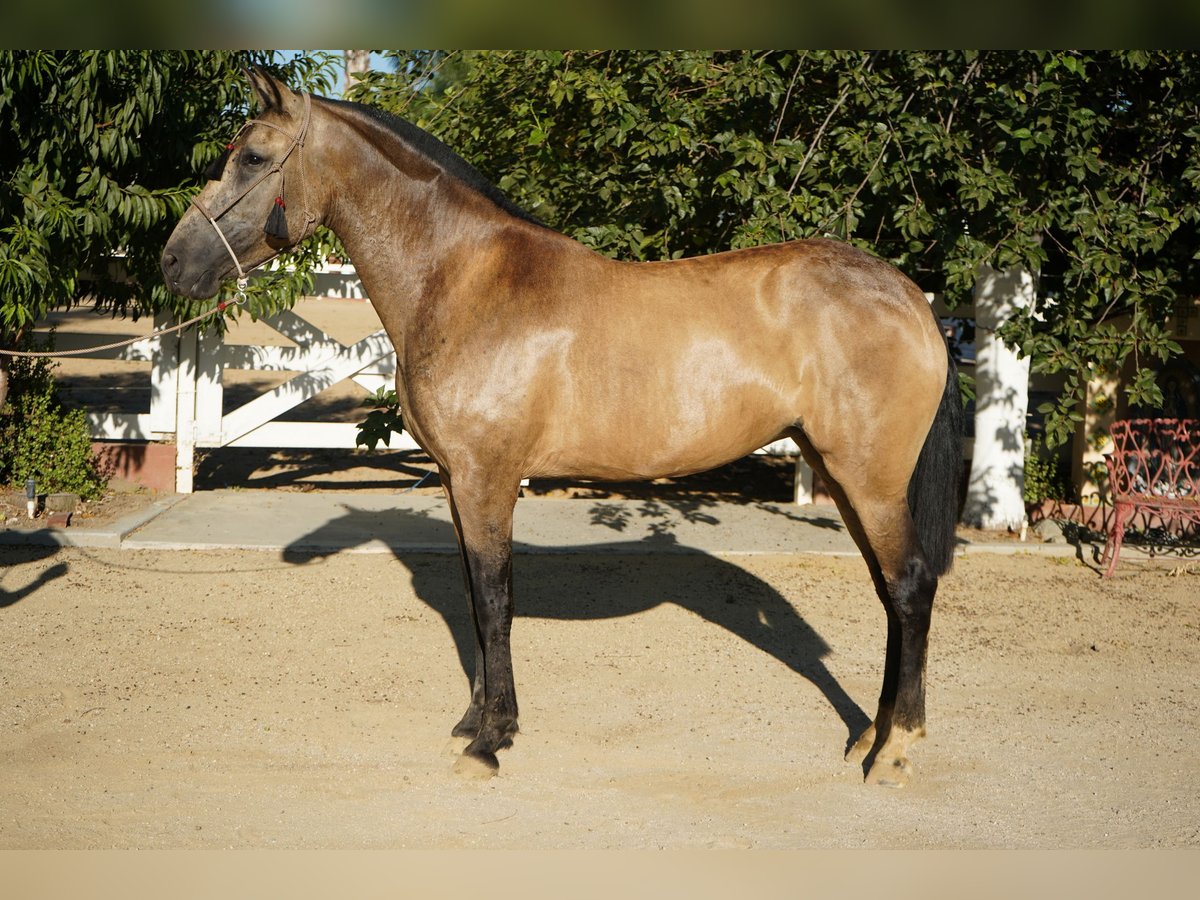
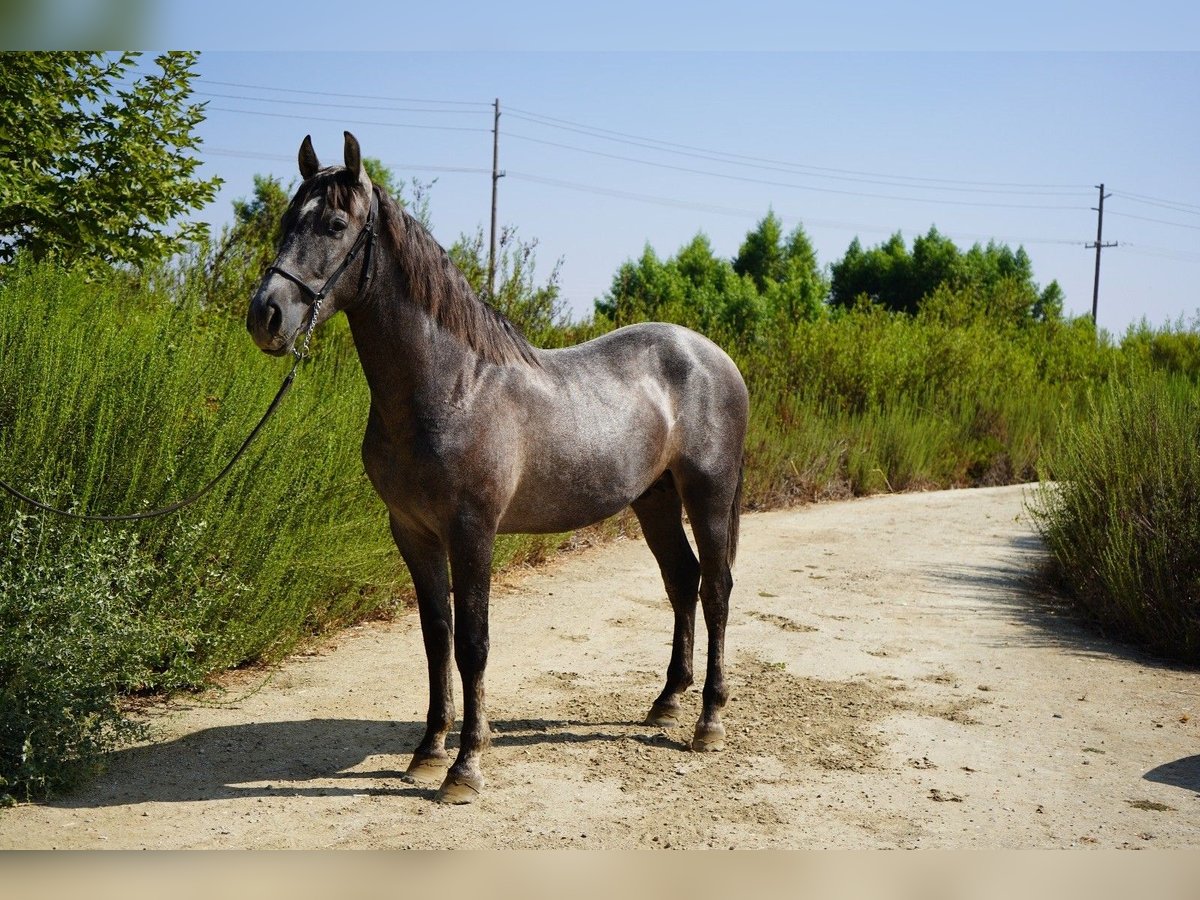
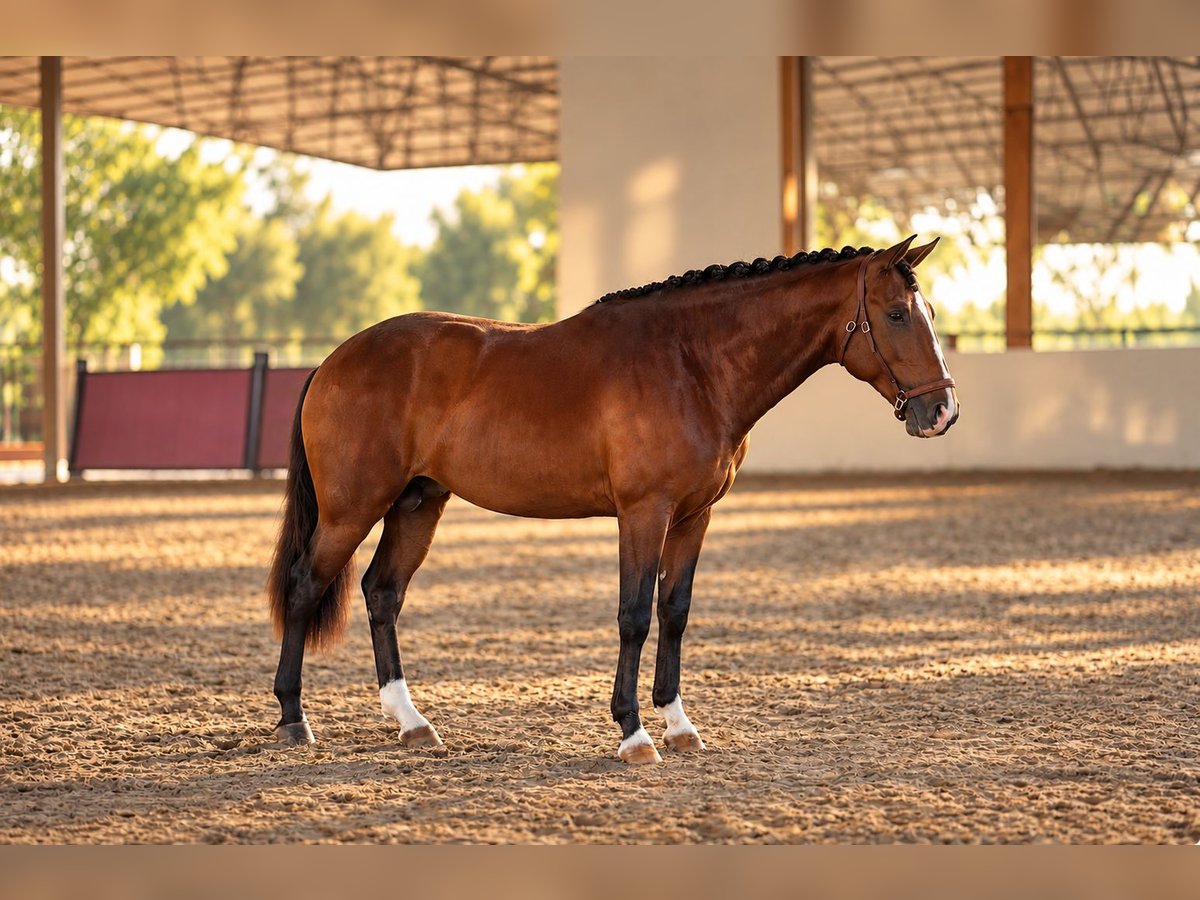
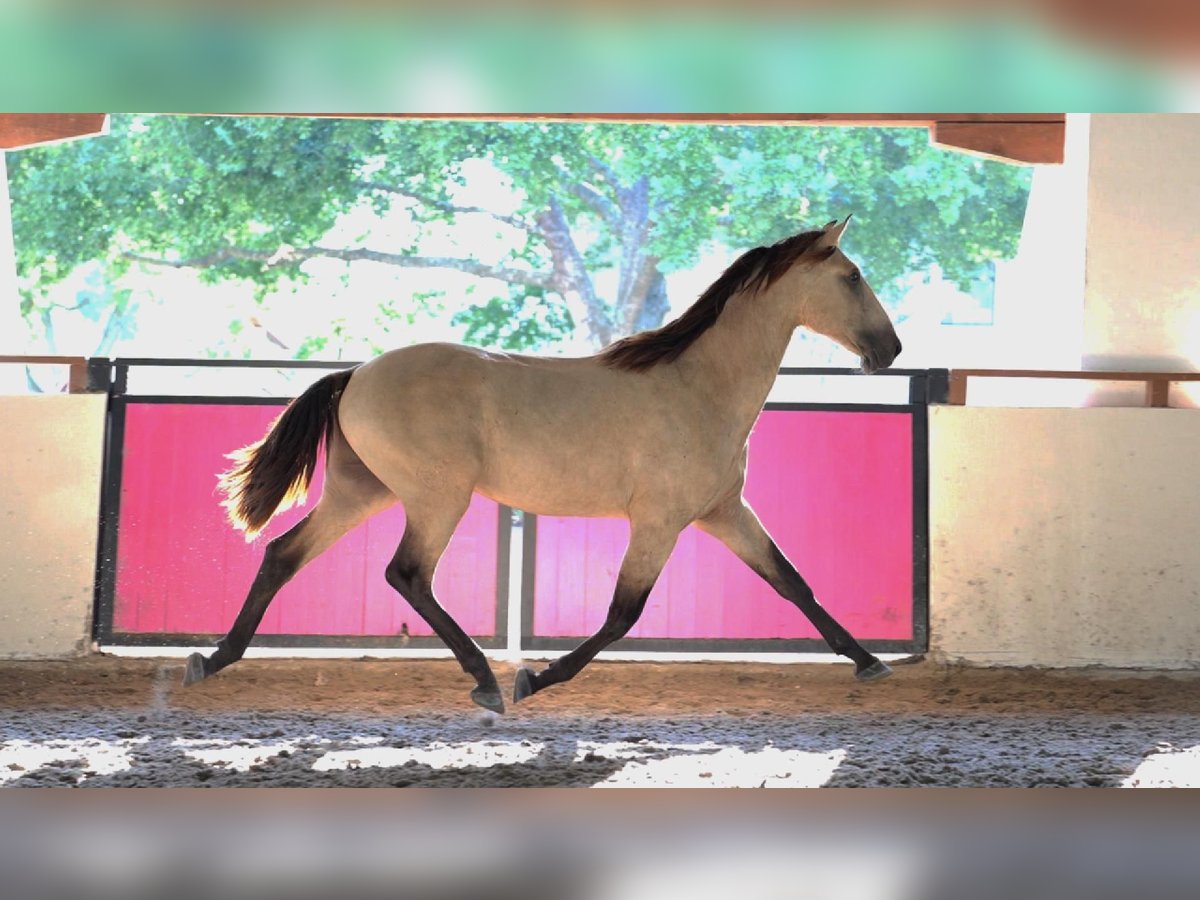
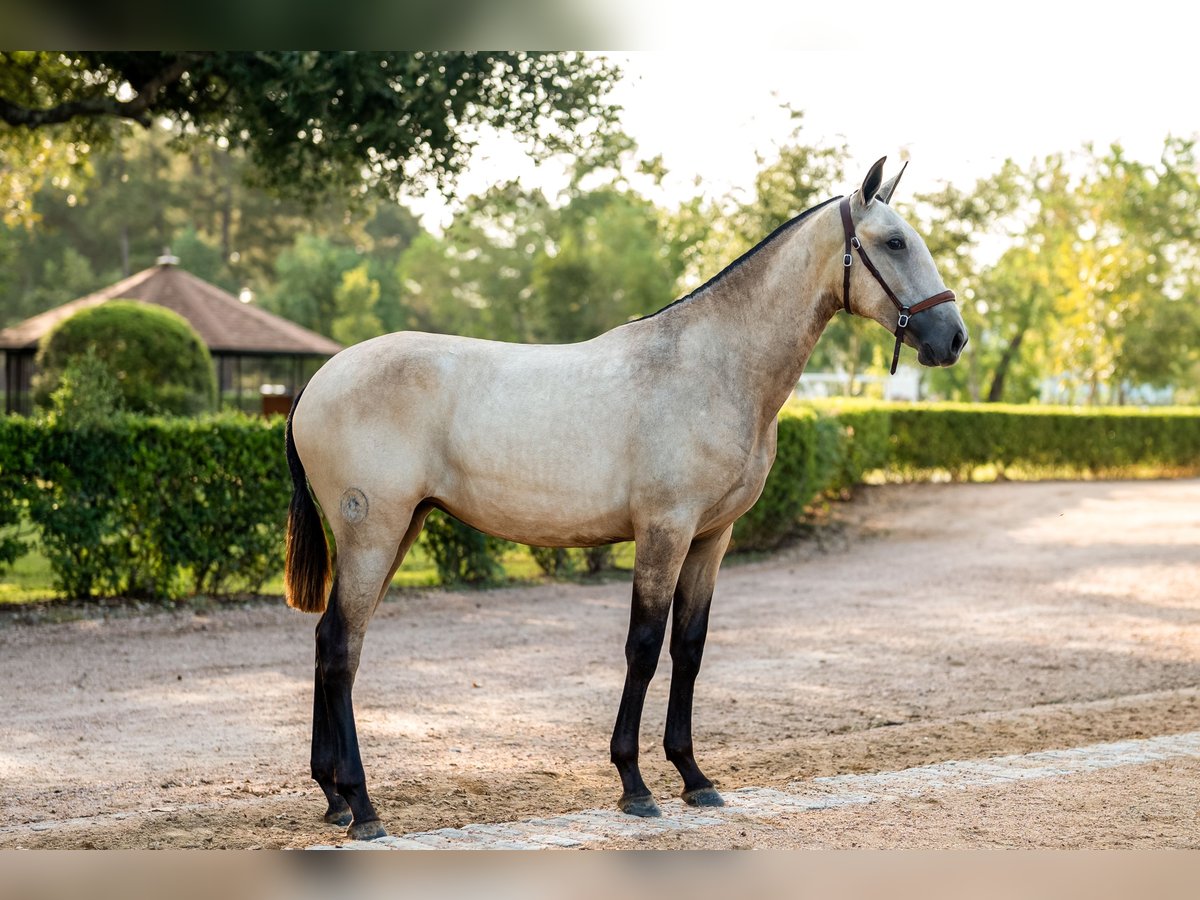
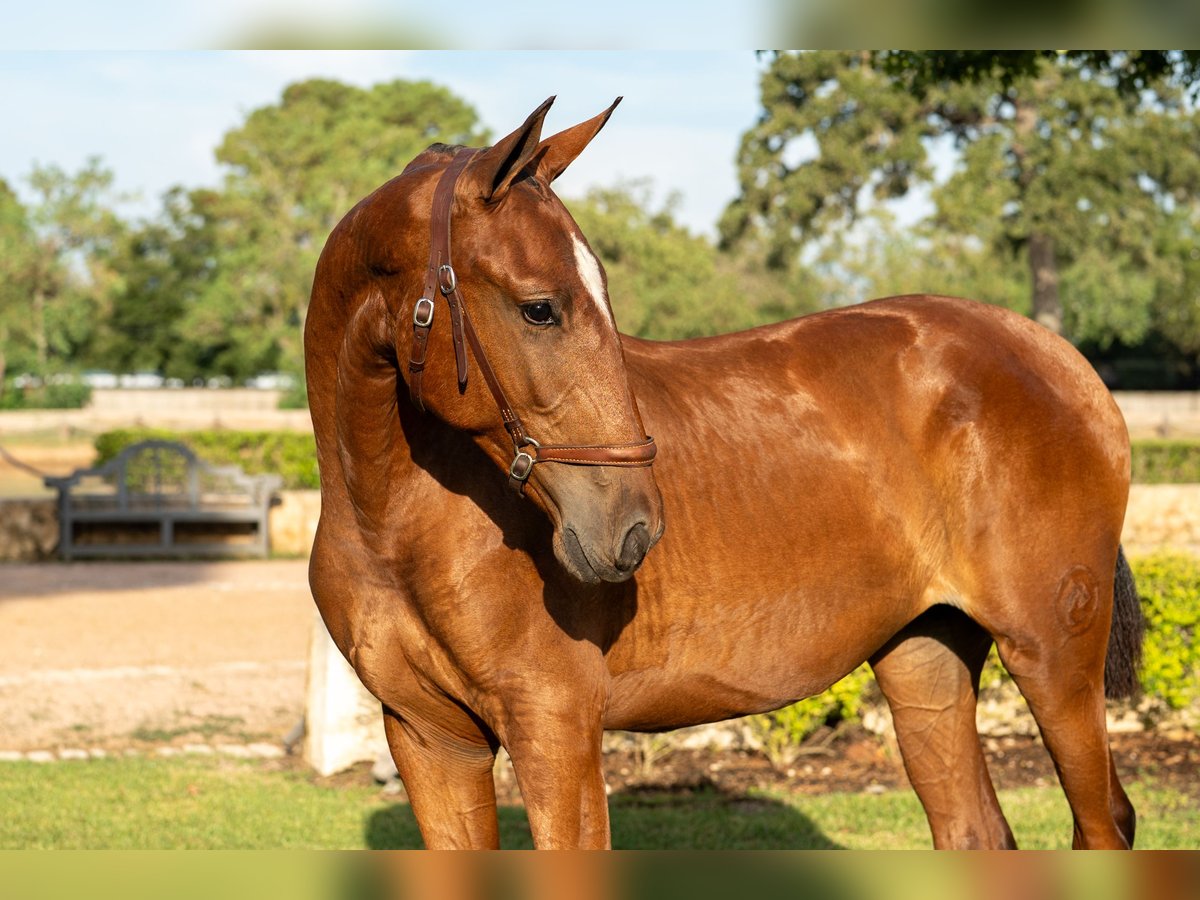
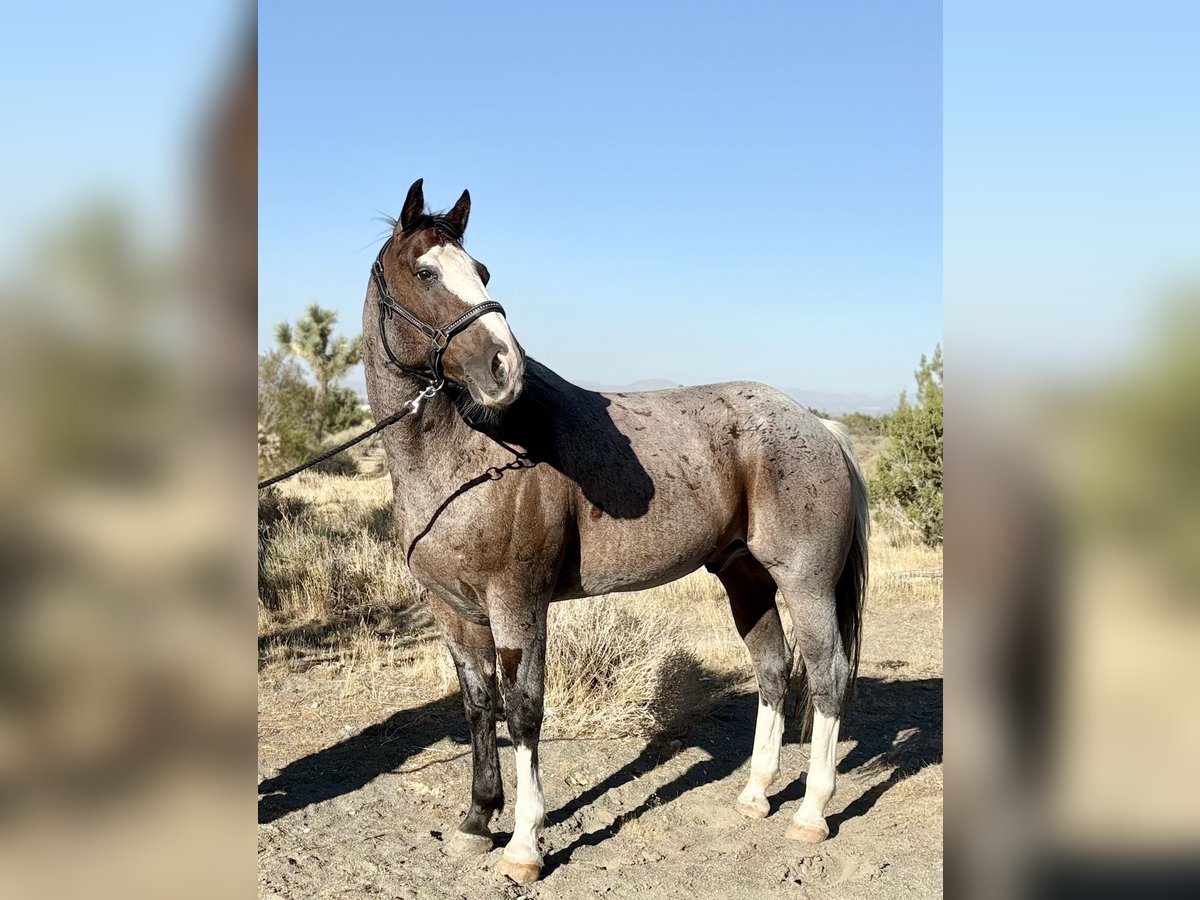
The Missouri Fox Trotter matches the type of an expressive, resilient and persistent gaited horse and reaches a height of about 55-64 inches.. The dry and fine head should have upright, small ears as well as alert and large eyes, while the neck is well set and of sufficient length to match the body. Typical of the breed are also plenty of depth of the chest and a sloping and well muscled shoulder, which is sufficiently long. The dry and correct foundation should be characterised by good muscling, resilient and large joints as well as hooves of an appealing size in proportion to the rest of the body. The coat colour may be of all colours without exception. This also includes piebald.
Description of the character traits
A Missouri Fox Trotter is also a well-proportioned weight carrier with a good dose of temperament. This can be well controlled by the rider. The people-friendly character makes working together easy and uncomplicated. On uneven terrain, the talented horse has strong nerves and is sure footed. The crossbreeding of the Standardbred and Tennessee Walking horse breeds combines the best characteristics, which are particularly evident in the horse’s gentleness.
How old does a Missouri Fox Trotter become?
The life expectancy is up to 30 years with a healthy diet and proper husbandry.
Special characteristics and hereditary diseases of the breed
In addition to the name-giving gait, a Missouri Fox Trotter also shows other special gaits, which are due to the unique genetic disposition.Flat Foot Walk
This includes, for example, the gait walk – in different variations. In contrast to the classical pace, the so-called flat foot walk is a fast pace with a lateral foot sequence. When executing this four-beat gait, the track of the hind legs crosses that of the front legs. In doing so, the head of a Missouri Fox Trotter moves in a rhythmically even and fast up and down movement. However, the nodding of the horse in the Flat Foot Walk is not only evident in this gait, but also in the execution of the classical pace.
A few years ago, a team of researchers discovered the reason for this: the nodding during the pace and thus also during the Flat Foot Walk serves to save energy. The horse saves energy by reaching the highest point when both front hooves are in contact with the ground and the lowest point (head movement downwards) when the front leg swings forward. In this way horses carry the head and neck without much waste of energy. Viewers can clearly see this with the gait of the Flat Food Walk. Furthermore, the desired gait is also a breeding goal of breeders.
Walk (desired) and Running Walk (undesired)
The Walk also exists as a slow Trail Walk with a longer rein position, where the Missouri Fox Trotter carries his head low. Whereas the walk is the flat-footed and natural four-beat pace, the running walk follows the lateral foot sequence of the flat-footed walk with one difference: the gait has more speed, with the hindquarters clearly over-stepping.
Fox Trot
The special breeding goal of the comfortable gait Fox Trot shows a Missouri Fox Trotter as a broken trot with a diagonal foot sequence. The front leg comes up just before the hind leg comes up. The front legs remain at a walk while the hind legs continue to trot. There is no hovering phase because the front leg always remains on the ground. This results in a vibration-free feeling when riding.
Lope
The desired gaits also include the lope, a three-beat canter. In the same beat, the horse implements the canter. Relaxed and supple, horse and rider perform a hand canter and not a cross canter. Thereby the Show Canter is shown in a collection where the horse moves in a relaxed manner with the same speed as in the Flat Foot Walk.
In addition to the Running Walk, the gaits Singlefoot (Tölt) and Pass are not desired.
The EMFTHA e.V. (European Missouri Foxtrotting Horse Association) is committed to the preservation of the breed and the continuation of its special characteristics. The state-recognised breeders’ association keeps the stud book for this breed in Europe.
Horses of this breed are usually healthy. Nevertheless, some individuals may show a genetic predisposition to polysaccharide storage myopathy (PSSM): A hereditary disease in which sugar molecules are not metabolised properly.
What is a Missouri Fox Trotter suitable for?
The horse is suitable for leisure, endurance and trail riding.
Fields of use for the Missouri Foxtrotter
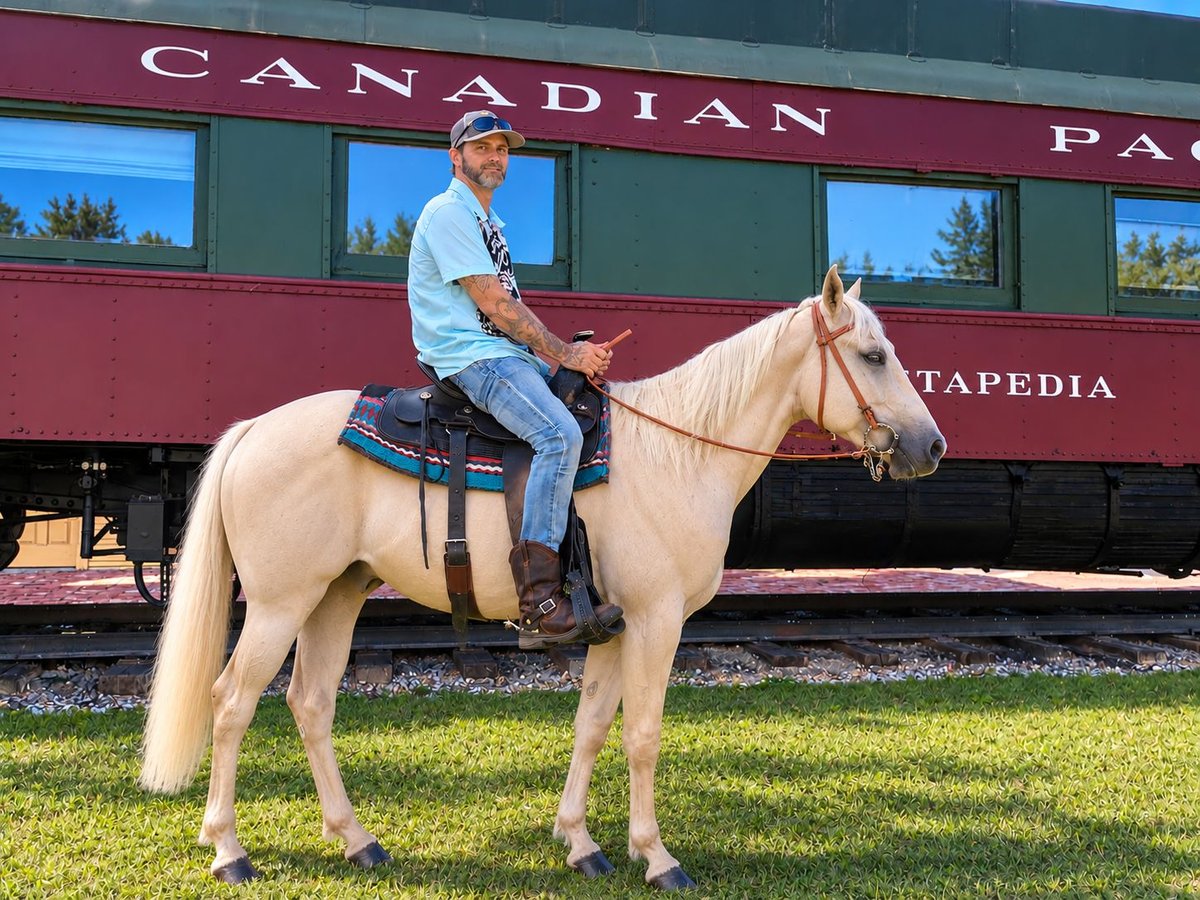
The Missouri Fox Trotter is especially valued as an enduring and versatile trail and riding horse. It is also used for endurance riding and, in its American homeland, by forest rangers as a workhorse. Some horses are also distinguished by their good jumping ability.
Known horses of the breed
In the USA, the Missouri Fox Trotter is the first choice for riding tours and trails. Ten to fifteen kilometres at a speed that is comfortable for the rider is no problem for the horse breed. Local horse connoisseurs therefore also call the horses “Cowboys Rolls Royce” or “Cowboys Cadillac”. For this reason, American forest rangers and cowboys still prefer the horse for their work.
The stallion named Zane Gray was one of the most famous horses of this breed.