Age, Experience, and the Right Type for ET & ICSI
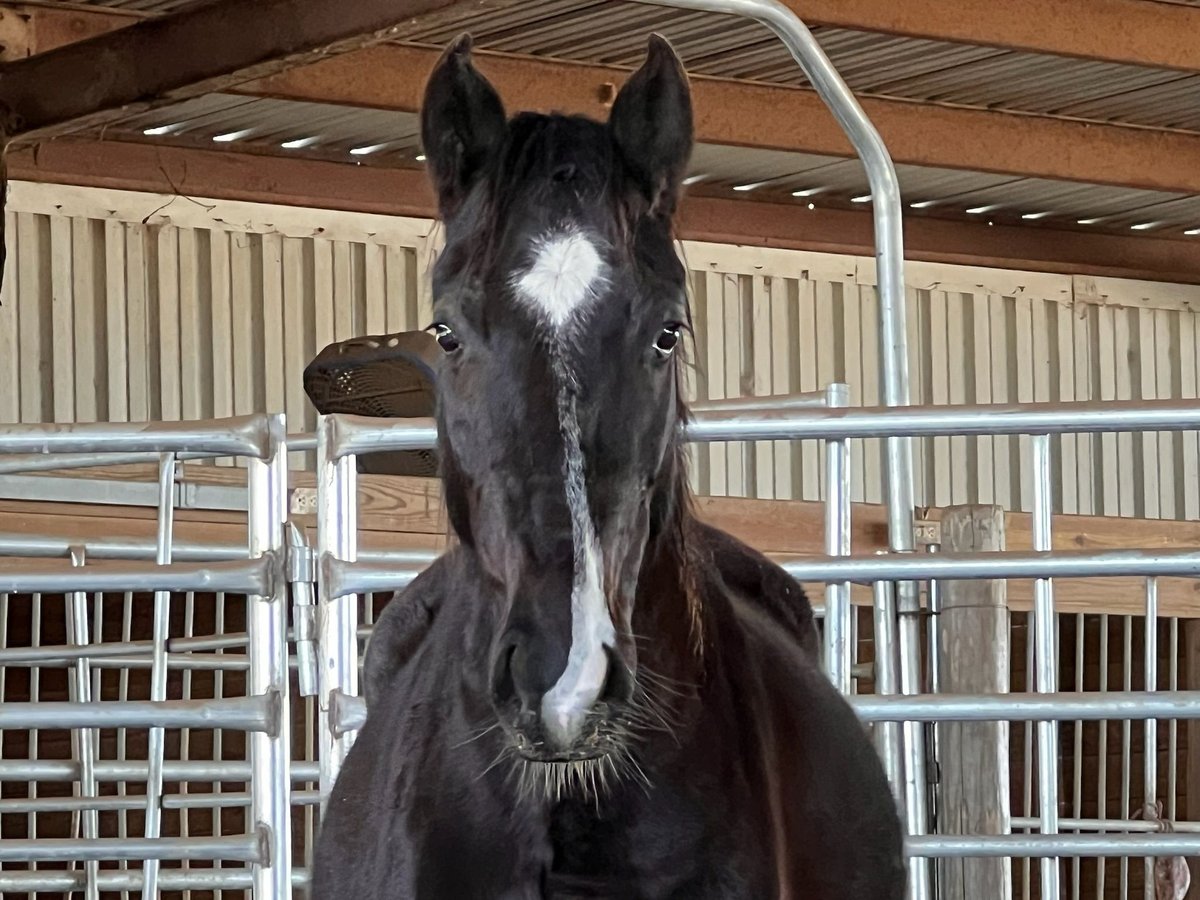
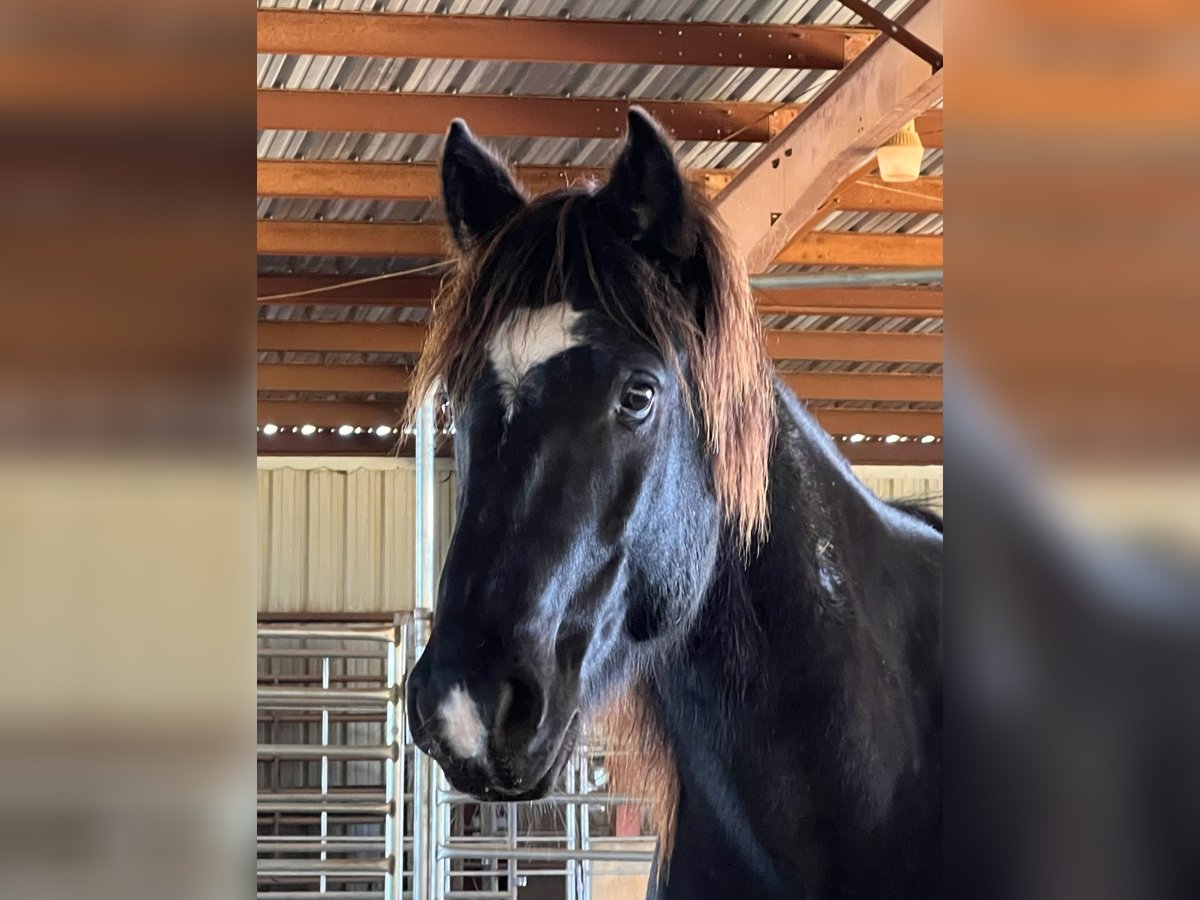
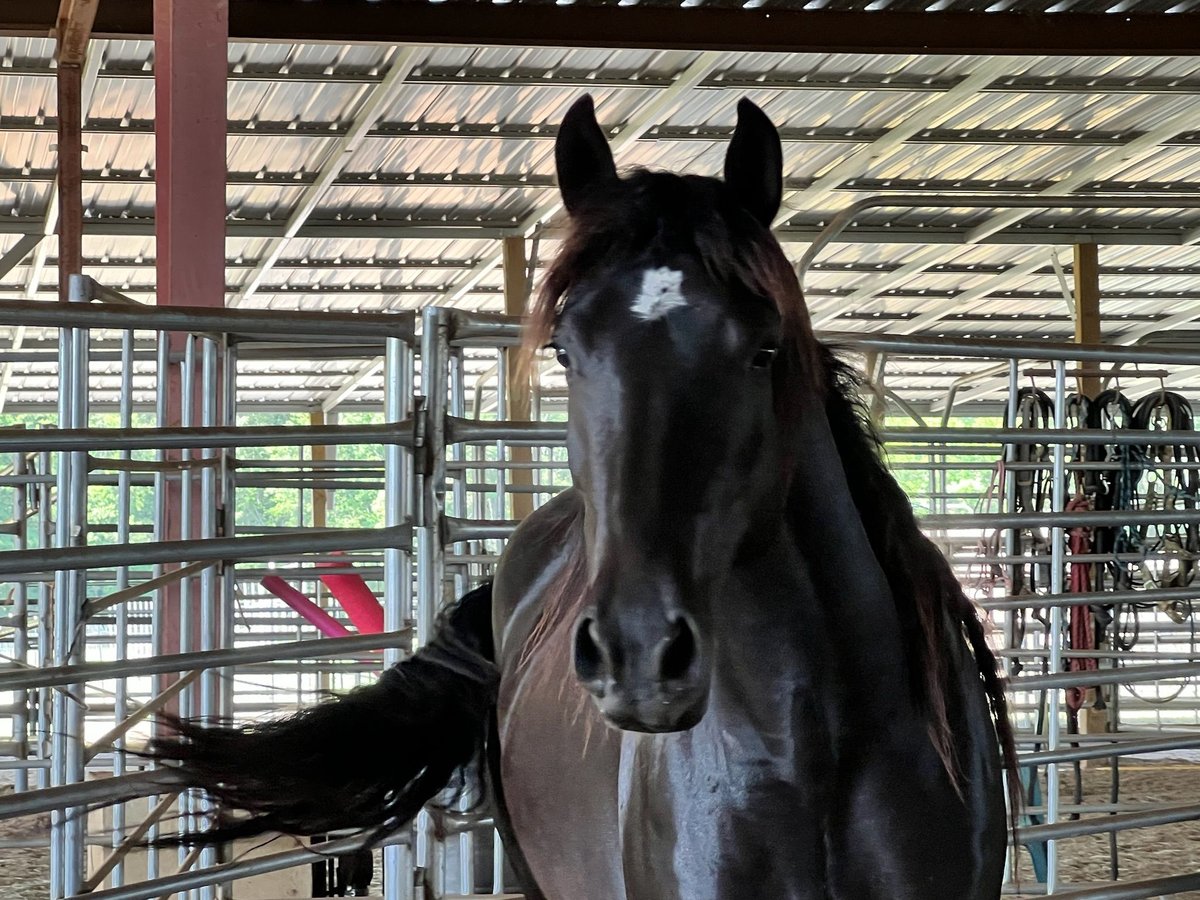
In Embryo Transfer (ET) and ICSI, the focus is often on genetics and lab technology. Yet, one of the most vital success factors isn’t found in the lab, but out in the pasture. The recipient mare determines the environment in which a foal develops. To gain more insight, we spoke with two renowned experts: the Dutch sport horse breeder and dealer Egbert Schep, and the Belgian breeder, stallion keeper, and veterinarian Joris de Brabander.
Age: Young or Experienced?
For Egbert Schep, everything starts with quality—and that includes the recipient mare. “The first step to a good foal is a good mare, and that applies just as much to a healthy, young recipient mare,” he says. He avoids old mares: “We prefer working with recipient mares aged between about three and ten years. We still have a few older mares in our stock, but those are mares who have been in our program for a long time and whom we know well. However, we no longer purchase any mares older than ten.“
Schep works with a fixed group of forty to fifty recipient mares and follows a rotating system: “Our breeding strategy is based on several parallel programs. We let the better three-year-old mares have a foal themselves first before they go into sport. Furthermore, we flush some young sport mares; the harvested embryos are preferably transferred into our own recipient mares. We also use the OPU/ICSI process with some older mares, and these embryos are also transferred to our own recipient mares.“
Joris de Brabander adds an important distinction. In practice, maiden mares (mares having their first foal) are frequently used for ICSI, which he believes has consequences. “With young mares, we often see foals being born slightly smaller. These are usually first-time foals, with all the associated effects: the colostrum generally contains fewer antibodies, the milk yield is lower, and the foal subsequently develops more slowly. In this regard, there is no difference between a genetic dam and a recipient mare.“
He emphasizes that experienced mares are often more stable mothers: “Mares having their second, third, or fifth foal—usually between seven and fifteen years old—significantly more often prove to be better mothers than three- or four-year-old mares.“
Behind every ultra-modern breeding method stands a biological foundation: the recipient mare. Anyone who only looks at lab technology in ET and ICSI overlooks the full potential and the risk. Excellent genetics absolutely require an excellent ‘nest’. The recipient mare is not a neutral carrier, but the first, formative environmental factor in the life of a future sport horse. Breeding, therefore, does not begin with fertilization in the lab, but with the careful selection of the mare who carries this responsibility in the field
Adriana Van Tilburg
Wie funktioniert Kommunikation zwischen Mensch und Pferd?
Pferde kommunizieren überwiegend über Körpersprache. Ihre Gesten, Mimik und Bewegungen ergeben ein feines System von Signalen, auf das du lernst zu antworten. Gleichzeitig lesen Pferde auch deine Körpersprache ununterbrochen – oft exakter als du selbst.
Verbal eingesetzte Signale spielen eine untergeordnete Rolle. Viel entscheidender ist deine Haltung, Atmung, Körperausrichtung und Energie. Wenn du z. B. deinen Blick weich werden lässt, deine Schultern bewusst entspannst und ruhig atmest, reguliert sich dein Pferd häufig mit.
Ein Schlüsselelement ist die bewusste Körperspannung: Ein energischer, aufgerichteter Gang zeigt Zielstrebigkeit; ein entspannter, weicher Schritt signalisiert Ruhe. Für dein Pferd ist das ein sprachloses Gespräch – in beiden Richtungen.
The Environment in the Womb
According to de Brabander, the recipient mare is by no means a “neutral carrier” but an active environmental factor. “The influence of a recipient mare is essentially the same as that of the genetic mother on her foal. It is a very important environmental factor. If a mare is nervous, the foal grows up in a nervous environment. If the mare is thin, then the milieu in which the foal develops is correspondingly restricted.“
Furthermore, the recipient mare is part of a larger overall system. “The breeder themselves also plays a major role: their farm, the available facilities, the quality of the soil, the stables, and the climate. These factors are potentially just as decisive as the mare herself. The recipient mare is part of a complete, integrated process.“
Type and Character
For Schep, a recipient mare must, above all, be healthy and roomy (deep-bodied). “A recipient mare must primarily be healthy and have a good frame; she shouldn’t be a fragile type. It is also important to me that they are not ‘cold’ mares. They must move, because when the mare moves, the foal moves too.“
He works with Trotter mares, among others: “As long as they are large, generous horses, I think Trotters are ideal because they have been handled a lot since they were young and are usually very well-behaved and uncomplicated.”
De Brabander also consciously chooses his recipient mares based on type and character. “Nowadays, we use French Trotter mares (Trotteur Français) almost exclusively as recipient mares. These horses have often already received basic training. They have worked, been harnessed, trained in arenas, and are used to different situations. This is reflected in their character. In our experience, French horses are generally calmer and more reliable.” In his view, this character is very important—whether for transport, synchronization, or daily handling.
Are you still looking for the perfect broodmare? 🐴
Find her now on ehorses, the world’s biggest horse market!
Not a Side Issue, but the Foundation
While technology often takes center stage in ET and ICSI, both breeders make it clear that the recipient mare is by no means an afterthought. “The recipient mare is a very important environmental factor,“ says de Brabander.
Schep sums it up pragmatically: “The first step to a good foal is a good mare.”
Anyone investing in Embryo Transfer or ICSI is not just investing in genetics or lab technology, but also in a carefully selected recipient mare regarding age, character, experience, and management. Ultimately, she does not just carry the embryo; she lays a significant part of the foundation upon which the future sport horse develops.
Questions & Answers
A recipient mare is a surrogate mother into whose uterus a genetically foreign embryo is implanted during procedures like Embryo Transfer or ICSI, so that she completes the pregnancy until the birth of the foal.
Implantation after embryo transfer is primarily favored by exact hormonal synchronization of the donor and recipient mares’ cycles, as well as stress-free management in the days following the procedure.
- Is my horse satisfied with the bit I use?
- Stress in Horses – Why it mostly affects the stomach
- Buying horse embryos: What should you look out for?
- International horse transport: Everything you need to know
- Thermoregulation in Horses – Symptoms, Risks & Proper Support
- Choosing the right riding helmet for you: With size chart