The Falabella is a miniature horse breed originating from Argentina, originally from the area around Buenos Aires. The miniature ponies are the smallest horses in the world and are mainly kept and bred in Argentina, but also in other countries around the world. Falabellas grow to be only 29 to 35 inches tall on average. This makes them even smaller than other pony breeds such as the Shetland Pony. The breed, which is named after its breeder family, is not suitable for riding because of its small size. Discover everything about the Falabella pony in this article.
Important data on the Falabella at a glance
- Origin: Argentina, Buenos Aires
- Main breeding area: USA, South America
- Distribution: USA, Europe
- Type: Pony
- Height: 29 to 35 in
- Weight: 143 lbs
- Appearance: very small, compact but elegant build, mostly patterned
- Colours: All colour variations and markings allowed
- Main use: Show and domestic horse, guide horse for the blind
Breeding history and origin of the mini ponies
The Falabella traces its origins to horses that were native to the hilly pampas near Buenos Aires. There, some horses were separated from their population, so that crosses developed with Criollos and other European or Asian breeds, including Thoroughbreds, Andalusians and Welsh Ponies. As a result of this breeding with bloodstock-like horses and natural selection, increasingly resilient and smaller horses emerged over time, which had already been living in this region since the 19th century. Fundamental to the further breeding history of the mini ponies was their discovery by the Irish breeder Newtall around 1840, who became aware of the small, very well-shaped horses that had long lived among the Indians’ work animals.
Fascinated by the unusually small ponies, he caught some and started a hobby breeding, which was later continued by his son-in-law. Since then, J. Falabella bred the ponies on his ranch Recreo de Roca and gave them their name, which they still retain today. In order to refine the proportions of the Falabella ponies and to achieve the more elegant exterior as well as the small size, various other breeds were crossed in and a systematic selection was carried out. For example, the English Thoroughbred, which was used to a lesser extent to refine the breed, as well as the Argentine Criollo. Likewise horses with Appaloosa and Pinto traits, which were often used by the Falabella family for their breeding programme. The type of Falabella known today originated in 1930 and was first exported to the USA and other countries in the 1960s. Articles in professional journals had publicised the miniature horses as well as his breeder family, who had built up a stock of the smallest and best possible breed representatives on their ranch.
This also attracted the attention of celebrities, some of whom paid top prices for the little Falabellas. In 1973, the Falabella Minitature Horse Association was founded in the USA, which registered all imported miniature horses from then on. Today, the Falabella is bred as a purebred. The stud book is therefore closed and is kept by the Argentine breeding association, the Asociacion de Criadores de Caballos Falabella (ACCF) in Buenos Aires.
The appearance of the Falabella – Mini ponies in every coat colour
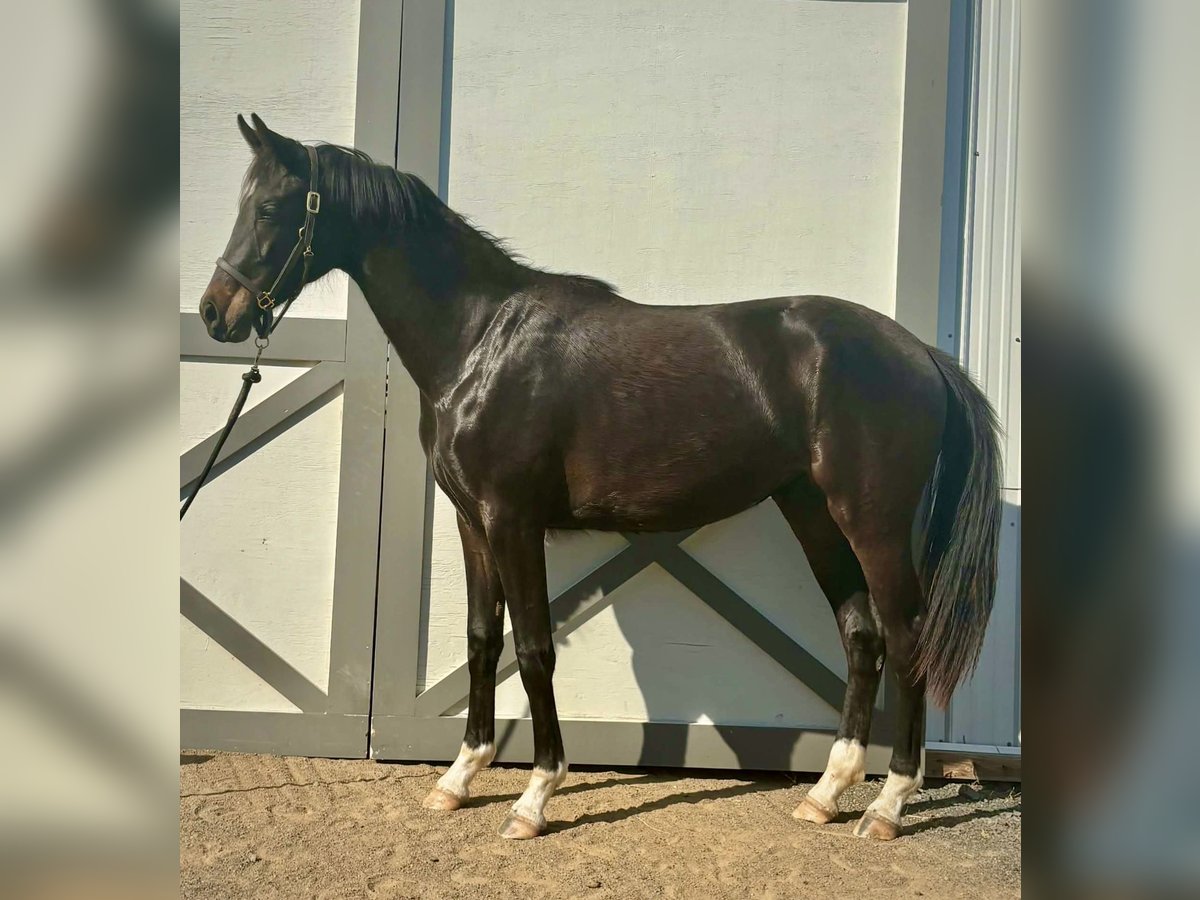
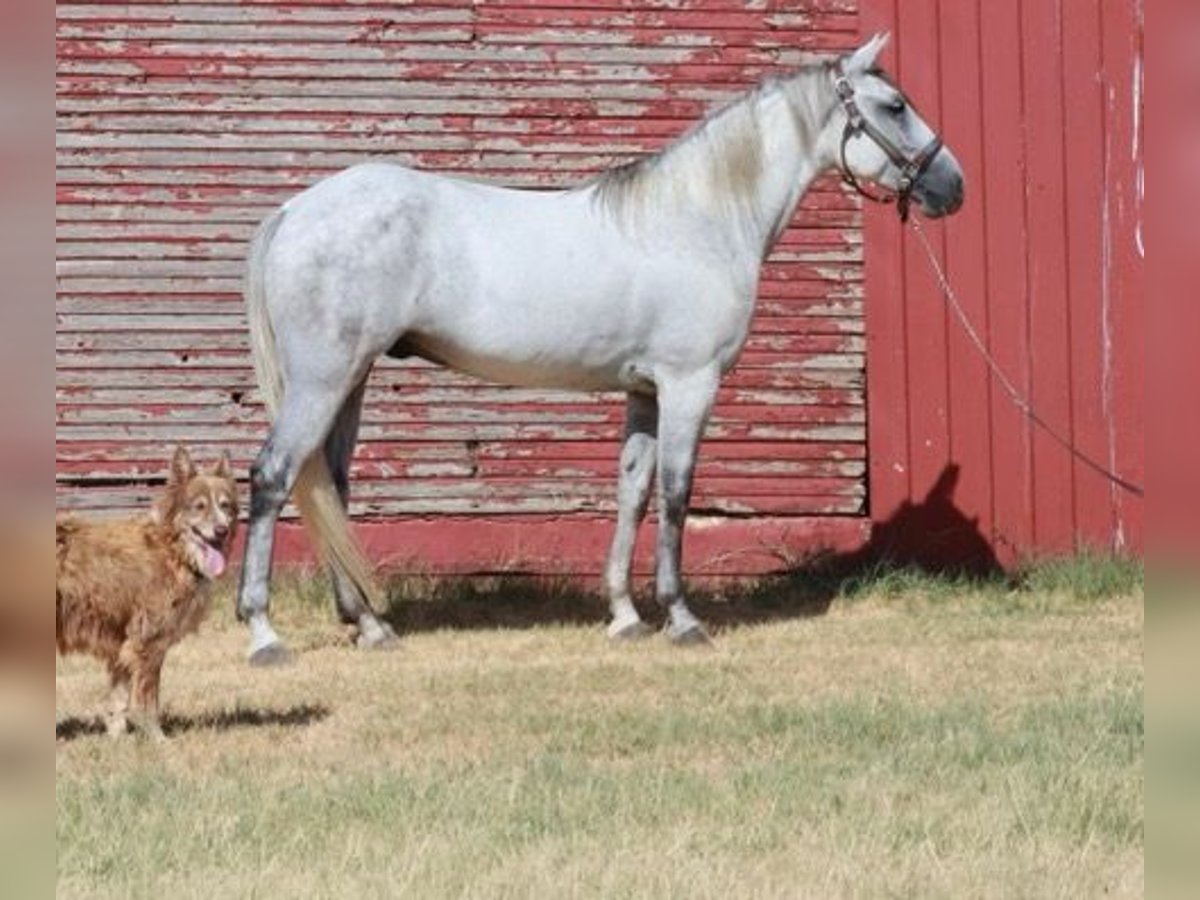
Being a miniature horse, the Falabella only reaches a height of 29 to 35 inches with an average body weight of 143 lbs. The maximum height of a Falabella should not exceed 41 inches. It should be characterised by a correct and elegant appearing countenance with harmonious and balanced proportions. In terms of conformation, it does not resemble a miniature pony in the true sense of the word, such as the Shetland Pony is, but is rather of the miniature horse type. The dry, finely cut head has a straight to concave nose line, which gives the appearance of a straight to slightly pronounced pike profile, as well as large nostrils and small, mobile ears. Despite the deliberate breeding for miniature size, the head often remains heavy compared to the rest of the body. Foals often show a strongly arched forehead.
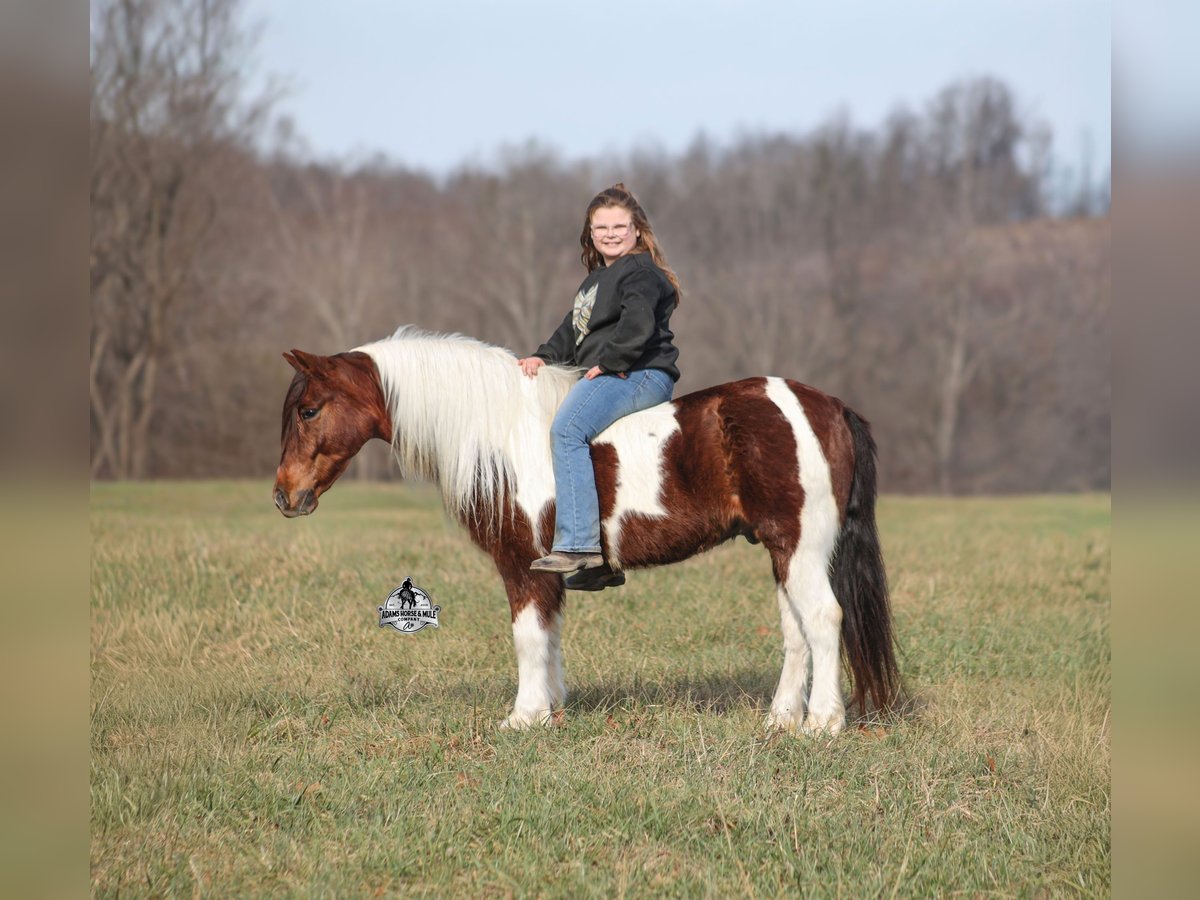
Also distinctive is the low set, medium length neck, which can have a convex curve due to a strongly developed lower neck muscle. However, this tendency to the so-called stag neck does not occur in all representatives of the breed. The closed body with little, hardly visible withers, moderate rib curvature and moderately steep shoulders is also striking. The straight, short back merges into a slightly sloping, oblique croup. The foundation is slightly pronounced with slender and strong legs, which appear rather short in proportion to the body, as well as rather weak joints and small, hard hooves. Sometimes the legs have poor conformation and little bone substance, especially in the case of inbreeding. In terms of coat colour, all colours occur, as there are no breeding restrictions and the breed has been bred exclusively for size. Appaloosa colours, dark spotted or speckled ponies, as well as snowflake, marbled and scraped colours are particularly popular. Both the mane and the tail usually appear dense and bushy.
Impressions of the breed


How big is the Falabella?
A Falabella has a height of between 29 to 35 inches and a weight of about 143 lbs.
Description of the character traits
The Falabella is considered the smallest horse breed in the world. The intelligent and lovable ponies reach a height of between 29 to 35 inches. Despite their height, the small Falabellas come with a very big heart. They are very easy to handle and get along well with even the smallest members of the family. The ponies are quite trainable and find fun in learning tricks and tasks. This is the reason why horses of this breed are also often used as guide horses for the visually handicapped. Their people-oriented nature makes them the perfect companion, especially for people with disabilities. Due to their body size, however, the Falabella cannot be ridden. However, the little horses find a lot of pleasure in walks, learning tricks and lunging or ground work. Especially popular is clicker training. Falabellas are considered very intelligent and learn quickly. In addition, an open-minded and lovable character is typical for the little horsies.
Special aspects of the Falabella ponies
Due to their small size, the Falabella’s ability to give birth naturally is limited. Most foals are usually only around 15 inches tall. There may also be restrictions in husbandry, as the ponies freeze quickly due to their low weight and are basically not particularly robust and rather susceptible to health problems. Keeping them outdoors can therefore be problematic. Regardless of this, the Falabella also differs from other breeds in terms of its anatomy, as it only has 16 ribs and thus one pair of ribs less than other ponies.
In addition, the heart is relatively large and is more similar to that of a large horse than a pony. Last but not least, the Falabella also attracts attention as a record holder. The smallest pony ever born in the world was a Falabella in 1978 with a height at the withers of only 12 inches. Incidentally, the miniature horse also aroused fascination among a whole series of well-known personalities. King Juan Carlos of Spain, the Sultan of Brunei, King Hussein of Jordania, former US President John F. Kennedy and Beatles legend Paul McCartney are all said to have owned Fallabellas.
How the Falabella is put to use
The usage of the mini ponies is mainly based on the hobby breeding without noteworthy riding and driving qualities. Due to its small size, the Falabella cannot be ridden and can at best carry children. Therefore, it is usually not shod or at most used as a draught pony to pull light carriages. Larger representatives of the breed can pull light one- or two-in-hand carriages. In addition, they are often used as fashion and show ponies, for which especially small ponies are used. This also explains the strong selection for size, which can sometimes cause health problems if the breed is not balanced. Especially in the USA, the Falabella is kept as a pet or as a playmate for children. More and more often, however, the Falabella is also used as a guide horse for the visually impaired.
Because of its sociability and intelligence as well as its high life expectancy of more than 30 years, the Falabella is quite suitable as an alternative to the guide dog and has therefore been increasingly trained in recent years for keeping by blind people. In daily use, the ponies help to increase their owner’s mobility and are officially recognised in the USA as guide horses for the blind if they are properly trained. They are especially used by visually impaired people who are allergic to dog hair. In addition, they are also a suitable alternative for people from the Arab cultural community in cases where they do not like to handle dogs.
Can you ride a Falabella?
No, you cannot ride a Falabella.
Hereditary diseases of the falabella
A breed that is intentionally bred to be this small is exposed to some hereditary diseases because of this breeding result. The reason for the manifesting hereditary diseases is the still continuing inbreeding of the breed. Among other things, this is the reason for the small body size of the Falabellas.
Particularly susceptible to the consequences of inbreeding is the Falabellas’ musculoskeletal system. As with very large horses, the small pony suffers from limitations and weakness of the entire musculoskeletal system. These include weak joints, crooked legs and disproportionate head size and shape. A disproportionately long back is also typical and can lead to spinal problems. Thus, due to inbreeding, some ” defects ” in the physique become apparent. Apart from the health limiting heredities, Falabellas also show two “neutral” peculiarities. On the one hand, they lack the 18th costal arch, on the other hand, the heart-body proportion is shifted in favour of the heart. Other horses have a significantly smaller heart compared to the Falabella, in relation to their body size.
Unfortunately, the reproduction of the Falabella is not unaffected by the consequences of forced breeding. Because of their small body size, mares cannot give birth to their foals naturally. A caesarean section is performed in the 11th month so that the little foal can enter the world. Anatomically, a natural birth would not be possible.
How old do Falabellas get?
The small Falabellas can live upt to 30 years.
Famous horses of the breed
“Small but mighty”, according to this motto, a small Falabella pony plays the leading role in the movie “Apple of my Eye”. The movie is about a girl who goes blind as a result of an equestrian accident. While looking for a supportive guide dog, the girl finally meets the little pony Apple. Apple then becomes the girl’s daily and loving companion, successfully taking on the role of guide pony. The pony in the film is played by the mare Toyland Crimson, who descends from the famous stallion Toyland Zodiac.
How much does a Falabella cost?
The price of a Falabella pony varies a lot. Horses that are not purebreds are often offered online. Purebred Falabellas have papers, a bloodline certificate and a pedigree, which is why their price is significantly higher than for other ponies of this breed. A non-purebred Falabella can be bought for less than $800. The age and training of the pony also play a role.