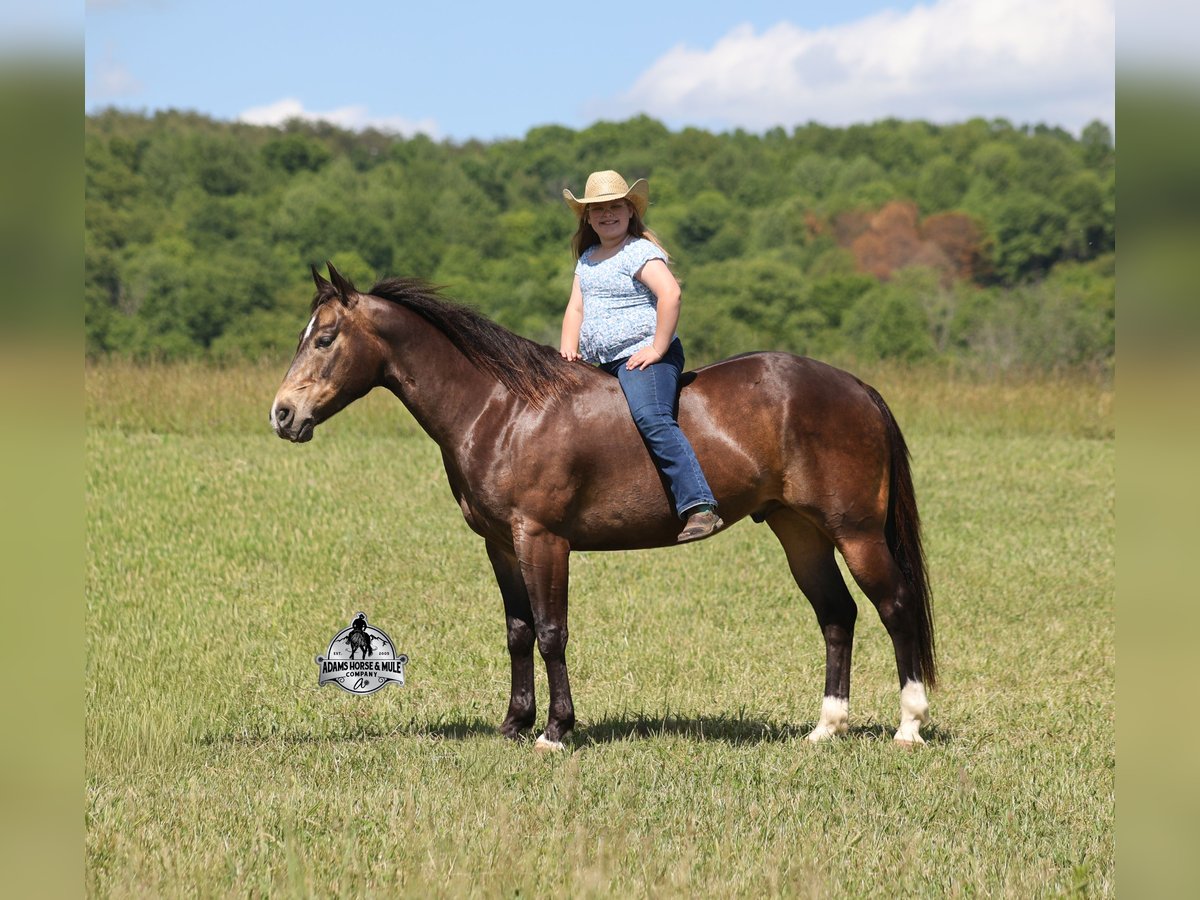
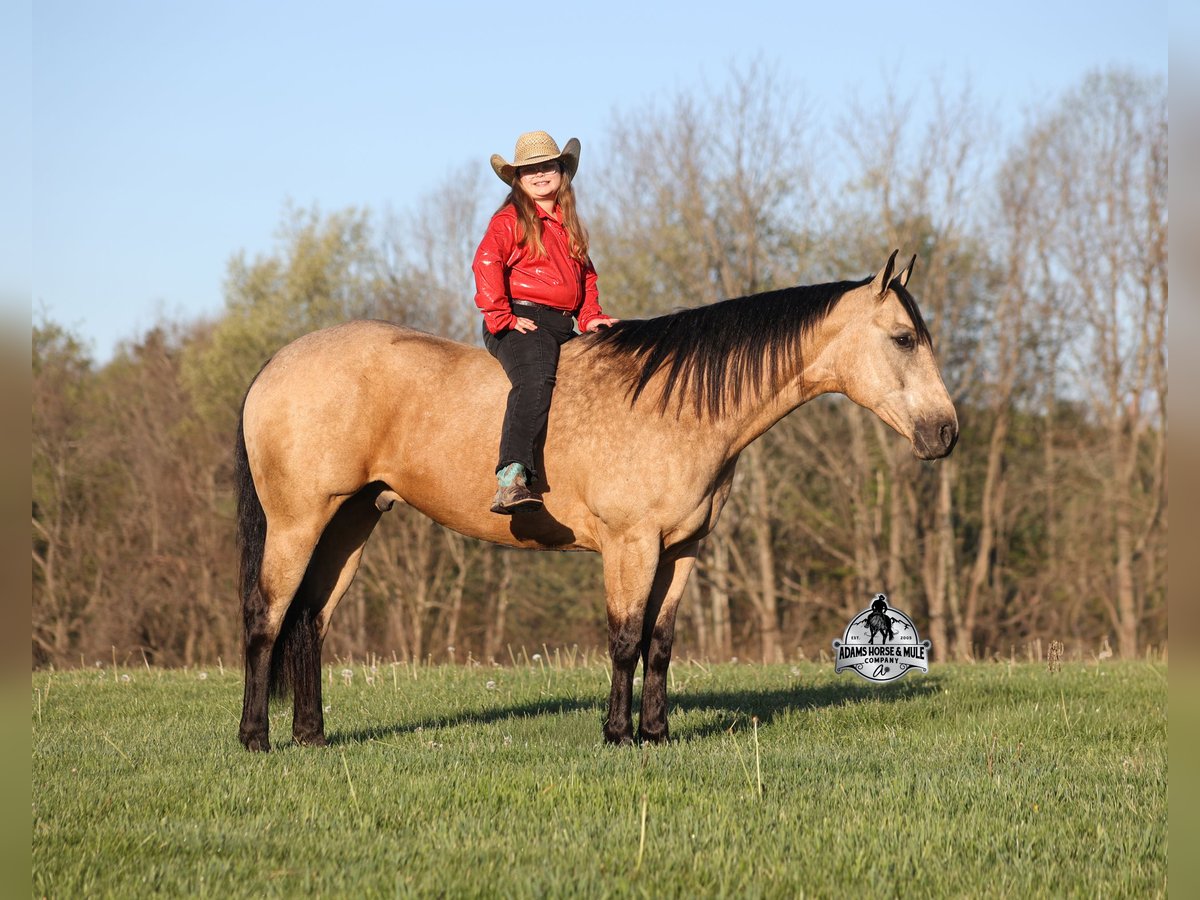
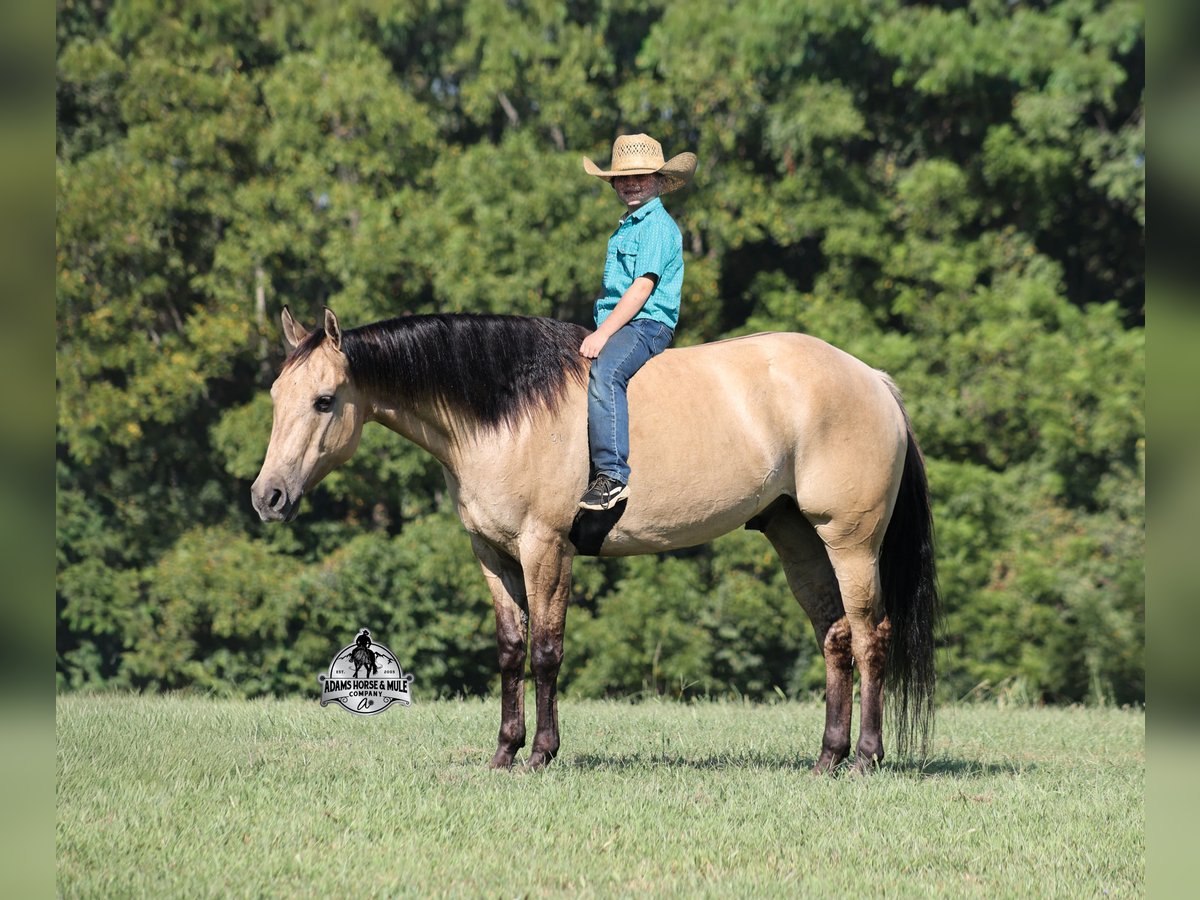
The Anglo-Arab is a noble horse breed that has been bred for around 150 years, particularly in France, Poland and England. It is a horse that carries the bloodlines of Arabians and English Thoroughbreds and therefore has the positive characteristics of both original breeds. The breeding goal is to produce a large-lined, elegant riding and sport horse with a harmonious physique that is suitable for all types of riding. You can find out all about Anglo- Arabs in this article.
Important data on the Anglo-Arab at a glance
- Origin: Poland and France
- Main breeding area: Poland, France and England
- Distribution: Europe
- Height: 61 to 64 in
- Weight: 992 to 1322 lbs
- Appearance: elegant, harmonious and large-lined riding horse with a noble head
- Colours: all colours
- Main areas of use: Endurance and racing, show jumping and dressage
Breeding history of the Anglo-Arab
The origins of the Anglo-Arab breed can be traced back to France in the early 19th century, when the idea arose to combine the best of the two noble thoroughbred breeds to create an ideal cavalry horse. M. de Bonneval, then director of the main French stud farm, Pompadour, realised this ambition in 1815 by crossing Arabian stallions with English thoroughbred mares. Previously, especially during the Napoleonic wars, both English thoroughbreds and horses of oriental origin had proved to be particularly efficient. The Arabians had proved to be brave, enduring and undemanding, while the English thoroughbreds had proved to be very powerful and fast cavalry horses – promising qualities to be combined in the new breed.
The breeding of the Anglo-Arab became established from then on under the subsequent director Eugéne Gayot, resulting in the publication of the first French stud book in 1823. This included both English thoroughbreds and Arabians as well as their crossbreeds. The Anglo-Arabian is therefore the oldest sport horse recorded in a studbook in France. The breeding objective was initially to produce an enduring, undemanding and powerful cavalry horse, before breeding was switched to a versatile sport horse after World War I. The focus was on eventing, but also on dressage and jumping. In addition, the Anglo-Arab was bred as a racehorse for flat, steeplechase and hunting races. Numerous racecourses were built in the main breeding area, from the Limousin region to the Pyrenees, where Anglo-Arabs were mostly used.
Due to the success of French Anglo-Arabs at international eventing and dressage competitions, the breed became very important throughout the country. Added to this was the positive influence as a refining breed in French sport horse breeding, especially in the Cheval de Selle Francais.
In addition, smaller Anglo-Arabian stallions from France were successfully used for breeding the then still young German Riding Pony breed. Crossbreeding with Welsh pony mares also produced many successful sport ponies.
Breeding method of the Anglo-Arab
With the Anglo-Arab, the breeding goal is achieved using the pure breeding method, whereby other horse breeds may be used for breeding. The authorised breeds for breeding include- Arabian
- English Thoroughbred
- Shagya Arabian
- Purebred Arabian
Appearance of the Anglo-Arab – an elegant riding horse with a harmonious physique
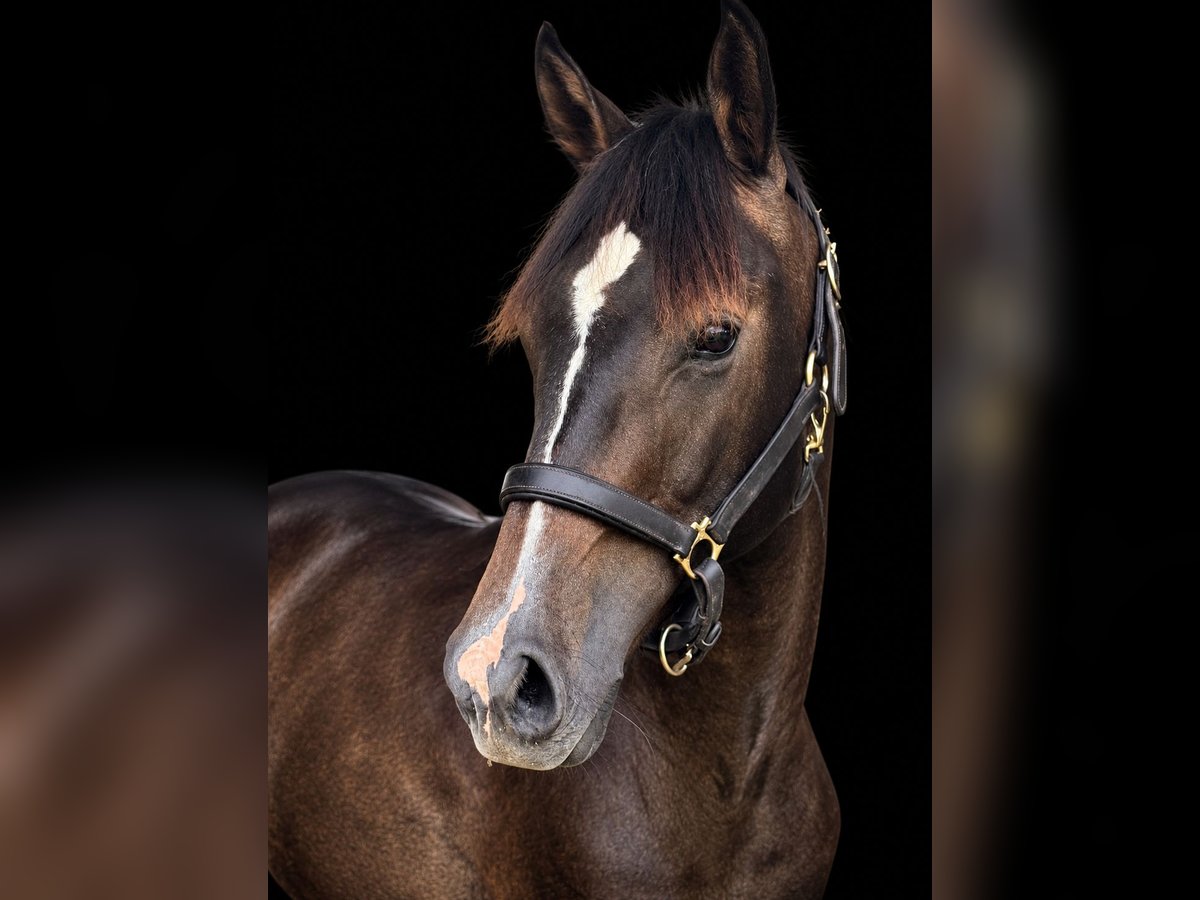
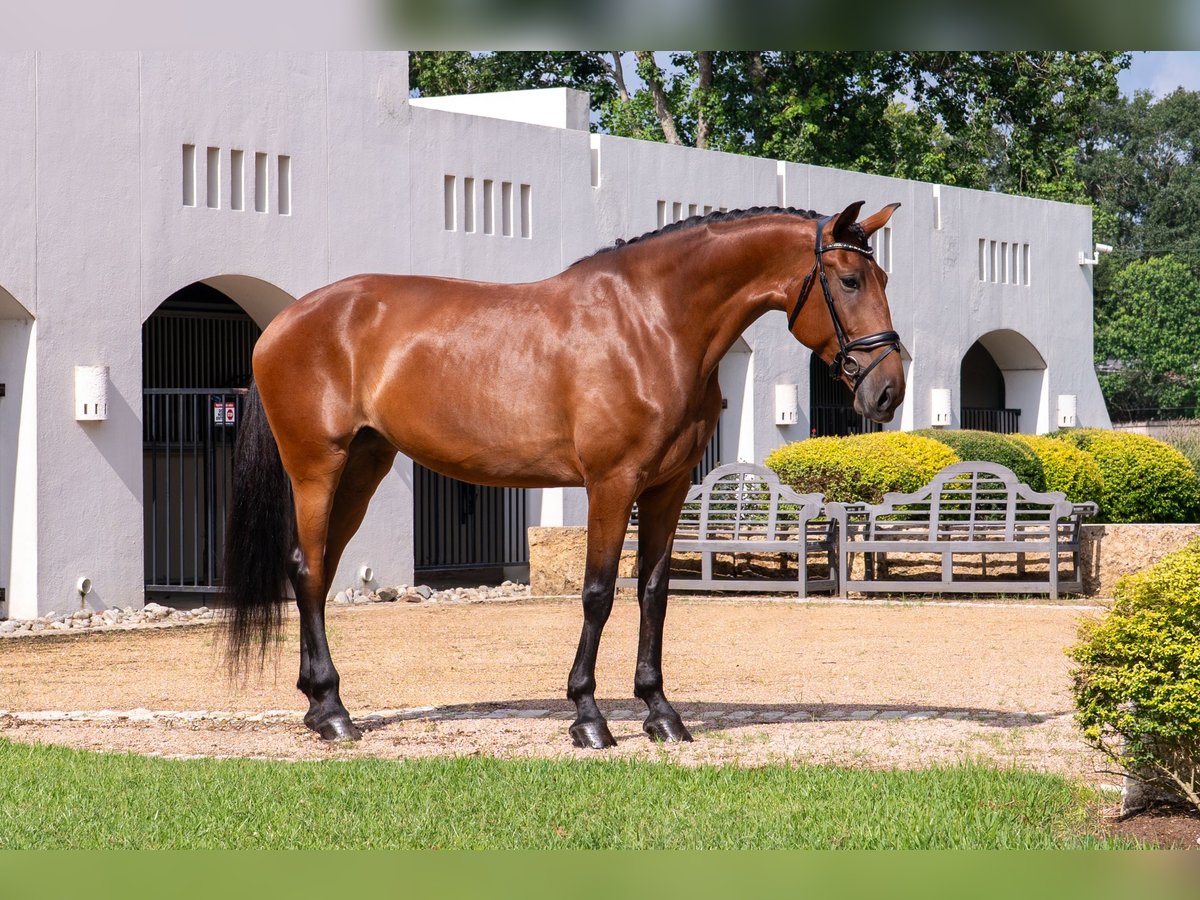
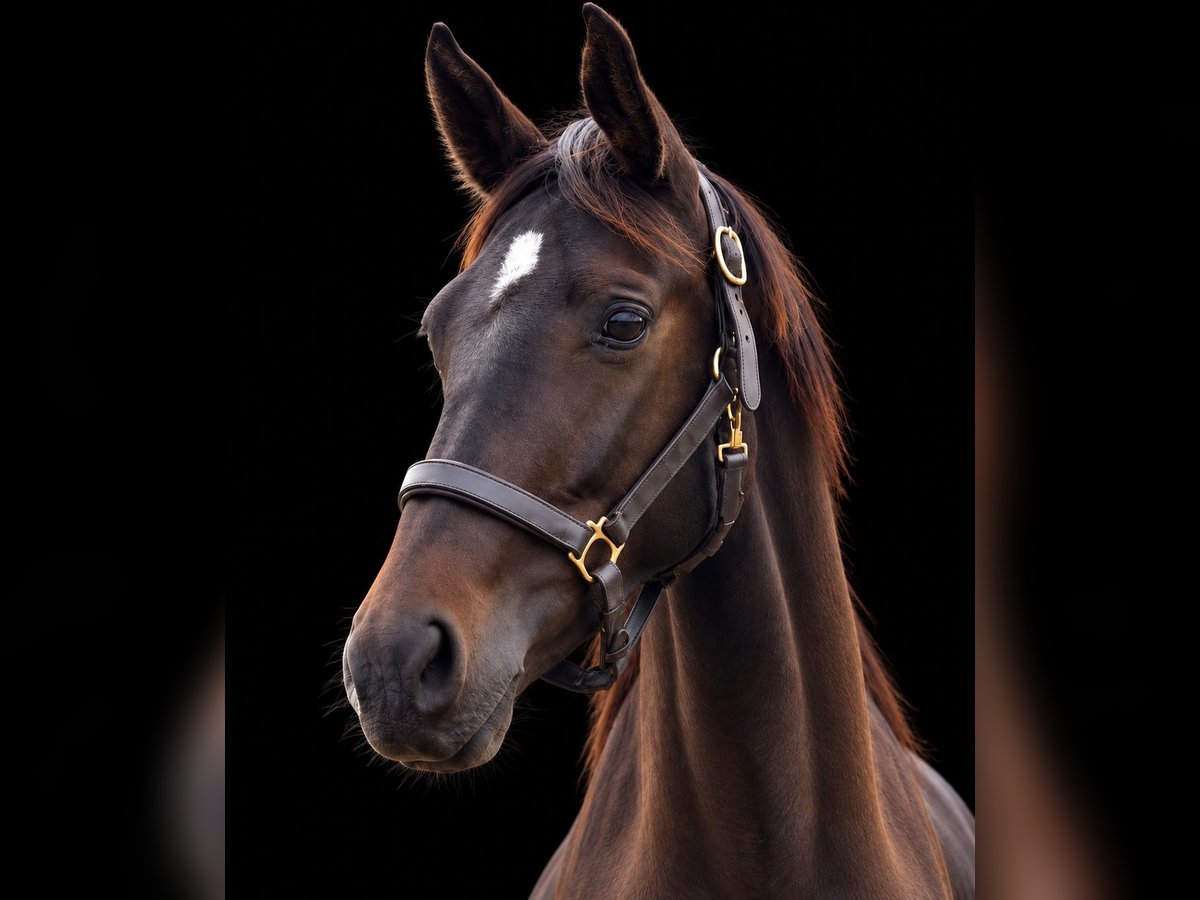
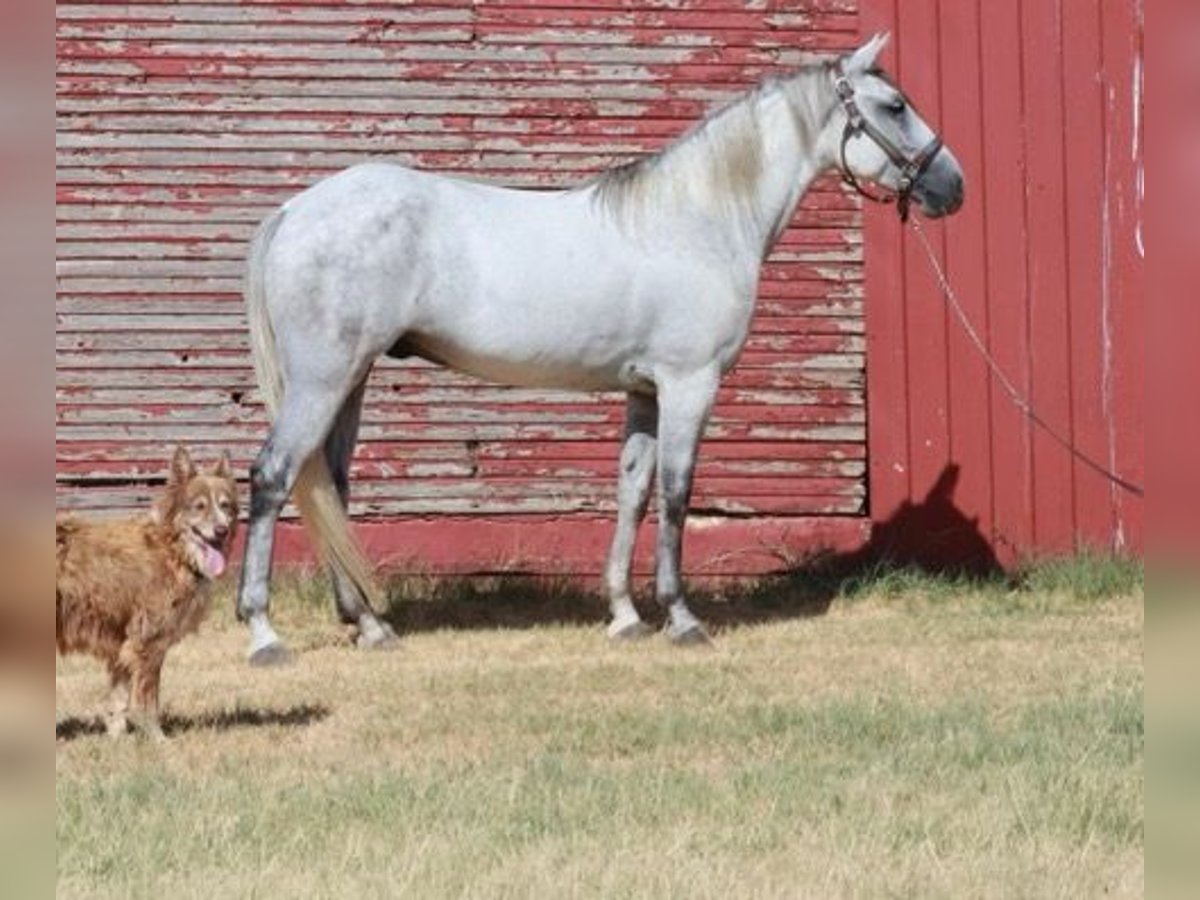
The Anglo-Arab should correspond to the type of an elegant, beautiful and harmoniously built riding horse and have a height of 61 to 64 inches. The appearance should reflect the influence of the English Thoroughbred and Arabian bloodlines with silky, fine long hair, a fine, dry texture and corresponding details in the conformation and expression. Typical of the breed is a dry, distinctive and small head, characterised by dark, large and wide-set eyes, large and dark nostrils and good flexation of the jaws. The neck is characterised by an arched ridge line as well as a light nape and corresponds to that of a noble, long riding horse neck.
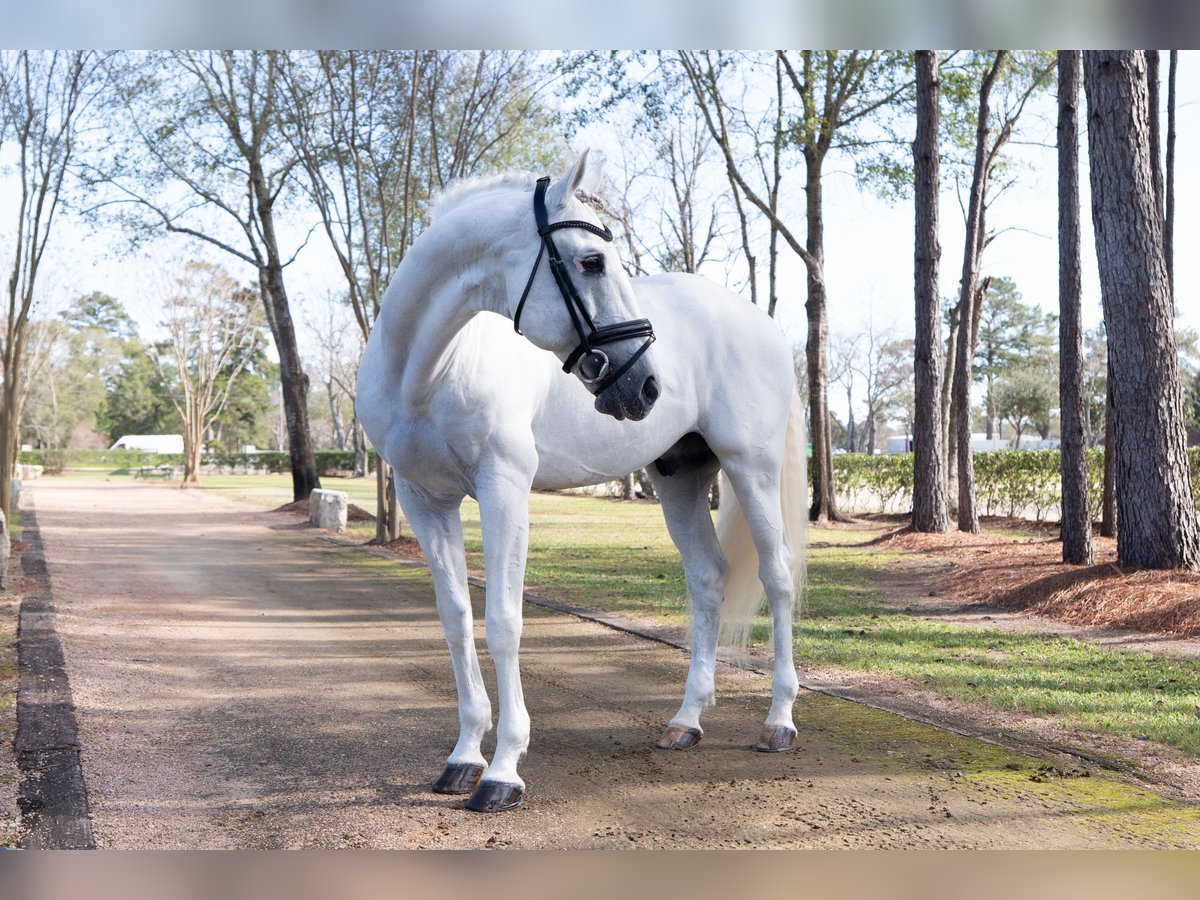
It merges into a sloping, large shoulder and withers that reach far into the back. Also desirable is a downward curving, well closed and medium length back with good muscling that promises elastic back activity. The croup is long and only slightly sloping and the foundation is dry, well-muscled forelegs and normally angled hind legs. Characteristic features are also pronounced joints, medium-length and elastic pasterns, well-set hocks and a desirable cannon bone circumference of over 7 inches. The hooves should be well-formed and fit the proportions of the horse. Regarding the coat colouring, all colours can be found in the Anglo-Arabs.
Movement pattern
The Anglo-Arab presents itself with a correct, straight and even movement. The walk is pure in rhythm and shows good ground coverage. The trot is characterised by an energetic start, a high degree of elasticity and impulsion as well as plenty of drive from the hindquarters. A sublime, powerful, elastic and energetic uphill canter is also typical.
Impressions of the breed


How tall does an Anglo-Arab grow?
These horses reach a height of 61 to 64 inches
The Anglo-Arab and its character
The Anglo-Arab is characterised by a good-natured and trusting behaviour and has a sociable and balanced nature. The horse breed is known for its strong nerves and is also very manageable when faced with unusual stimuli from the environment. The Anglo-Arab also impresses with its robust health, good fertility and longevity.
The most important features of the character at a glance
- even-tempered and kind
- sociable
- strong nerves
- healthy and long-living
How old do Anglo-Arabs get?
The average life expectancy of this breed is 20 to 30 years.
Special characteristics/areas of use/hereditary diseases
The Anglo-Arab Thoroughbred is a subgroup of the Anglo-Arab. If you want to buy a horse of this breed, you have to search for a long time or take a look at a stud in France. Breeding of these horses began in this country in 1836, where they are still predominantly found in pure breeding today. This breed is descended from the pure Arabian or English thoroughbred. Crossbreeding with foreign blood is not permitted. They are considered to be particularly powerful and fast, which is why they are often used as sport or endurance horses and also for the breeding of warmblood breeds.
Today, these horses are predominantly found in racing and endurance sport. Thanks to the breeding programme, which aims to produce a “bold horse that loves to jump”, which also has “optimum jumping ability with a high level of skill at the jump”, Anglo-Arabians can also be found regularly in show jumping competitions. Powerful and tactful movements in trot and canter as well as a high level of rideability mean that dressage riding can also be a lot of fun. The Anglo-Arabian is thus a real all-round talent and therefore ideal for leisure riders, for example, for whom variety under saddle is particularly important.
Two diseases in particular are known to affect Anglo-Arabians. These are cerebellar abiotrophy (CA) and severe combined immunodeficiency (SCID):
- CA: A neurological, genetic disease characterised by impaired balance and other neurological problems. It mainly affects younger animals.
- SCID: SCID is an immune system disorder. Recurrent infections, recognisable by pneumonia and severe diarrhoea, which mainly affect foals, are among the typical symptoms. Most foals affected by this disease die before the age of 6 months.
Can Anglo-Arabs jump?
This breed is known for its high level of skill and optimum jumping ability, making it the ideal horse for ambitious show jumpers
Husbandry/feeding/training/care
Anyone looking for a robust companion will be happy with an Anglo-Arab. This horse will be happy in an open stable or box stable with plenty of opportunity for movement and exercise in the form of grazing areas to compensate. The Anglo-Arabian is considered to be easy to feed. Rapid weight gain is therefore guaranteed if they are fed too much. This should be taken into consideration when keeping an Anglo-Arab on pasture in summer. Empathetic training is particularly important with an Anglo-Arab. These sensitive animals do not tolerate a regular change of rider very well and should therefore ideally have a permanent attachment figure. However, their friendly character makes them suitable for empathetic beginners.
Extra tip: Even though this breed is considered friendly, its temperament should not be underestimated. If you want to buy an Anglo-Arab as a beginner, you should opt for an animal that has already been trained. A stallion or foal, on the other hand, are less suitable for beginners. However, the Anglo-Arab does not require any special care. As with all other horse breeds, daily coat and hoof care and checks are essential. This is the only way to detect wounds or diseases quickly.
Are Anglo-Arabs suitable for beginners?
Thanks to their even-tempered and friendly character, Anglo-Arabs are definitely suitable for beginners. Their versatility and high willingness to perform make them the ideal partner!
Known horses of the breed (in sport, in film/television)
Rex the Robber was one of the most famous Anglo-Arab horses. Ridden by Alwin Schockemöhle, he was considered one of the most successful show jumpers of all time. The military horse Troupier X was also internationally successful and correspondingly well-known
How much does an Anglo-Arab cost?
You can expect to pay at least $7,000 for an already trained horse. Horses with a good pedigree from the breeder cost at least $15,000.