Important data at a glance
- Origin: The breed originated in the 20th century in the USA, breeding began in 1964
- Main breeding area: USA, Canada and Australia
- Distribution: USA, Canada, Australia and Europe
- Size: The height is between 47 to and 57 in
- Appearance: Compact with a harmonious and well-proportioned build
- Colours: All colours including piebald are permitted in the IQPA, in the AQPA only solid-coloured horses, but no albinos. Markings on the head and legs are permitted in both associations.
- Main field of use: Riding ponies, rarely driving ponies
- Breeding associations: There is the American Quarter Pony Association (AQPA), founded in 1964, and the International Quarter Pony Association (IQPA), founded in the 1970s, which operates worldwide. The studbook is open.
- Discipline: Western sport
Origin and breeding history of the Quarter Pony
The Quarter Pony is, to put it bluntly, a Quarter Horse in miniature, as it is originally descended from the large American Quarter Horse breed and still resembles it in its conformation today. The pony breed gradually developed as horses were used for breeding that did not meet the requirements of the American Quarter Horse Association for a minimum height of 57 inches. Although these Quarter Horses were characterised by good breeding traits, they did not reach the required height and were therefore not registered. Some breeders nevertheless introduced the undersized horses into their breeding programme, resulting in the Quarter Pony as we know it today.
In 1964, it was the American Quarter Pony Association that opened a studbook for the first time and registered Western-type ponies whose pedigree was unclear but whose characteristics were considered desirable for breeding purposes. Crossbreds and purebred ponies were eligible for registration. At the same time, there was the National Quarter Pony Association, which began in 1975 to preserve the smaller stock type of the Quarter Horse, as the breeding trend was increasingly moving in the direction of slimmer, larger horses.
The International Quarter Pony Association was also founded in the 1970s, which operates as a worldwide association and merged with the National Quarter Pony Association in 2005. Since then, the American Quarter Pony Association and the International Quarter Pony Association have been the two main breeding associations for the Quarter Pony, albeit with different registration regulations regarding the permitted coat colours. Today, the Quarter Pony is still mainly bred in its country of origin, the USA, but also in Canada, Europe and Australia. In 2005, there were an estimated 3,000 Quarter Ponies registered with the breeding associations.
Breeding method
The Quarter Pony is bred with an open studbook. One parent must be a Quarter Pony, a Quarter Horse, an Appalloosa or a Paint Horse to be entered in the IQPA studbook. Ponies that fulfil this requirement but exceed the maximum height of 57 inches or are gaited will not be registered. If proof of pedigree cannot be provided, a check must be carried out to ensure compliance with the breeding characteristics. If the assessment is successful, registration can still take place. With the second American breeding association, the AQPA, on the other hand, all Quarter Ponies can be registered if they fulfil the required height requirements. However, this association also has a restriction for ponies with gait and coat colours. Tobianos, tiger chequers, overos and albinos are therefore not registered.
The appearance of the Quarter Pony – Quarter Horses in a small format
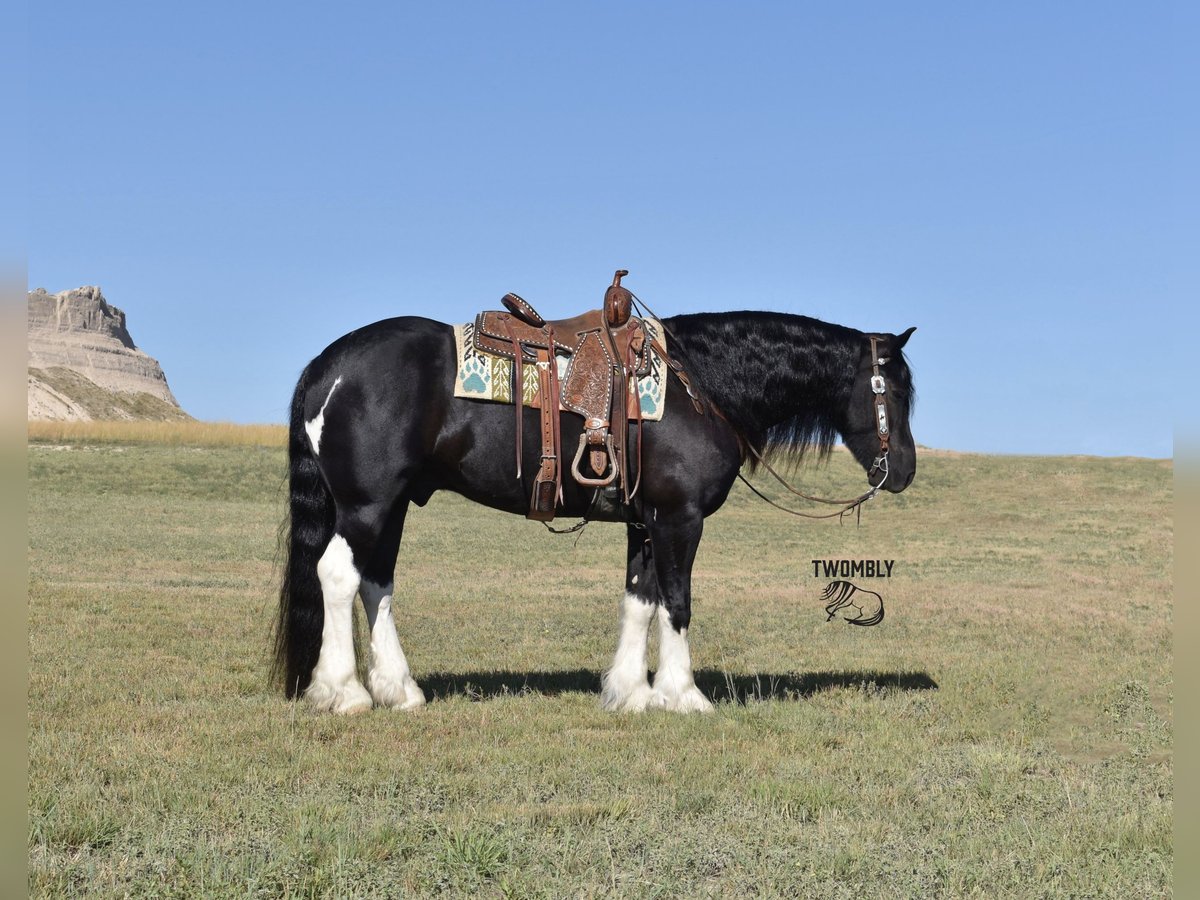
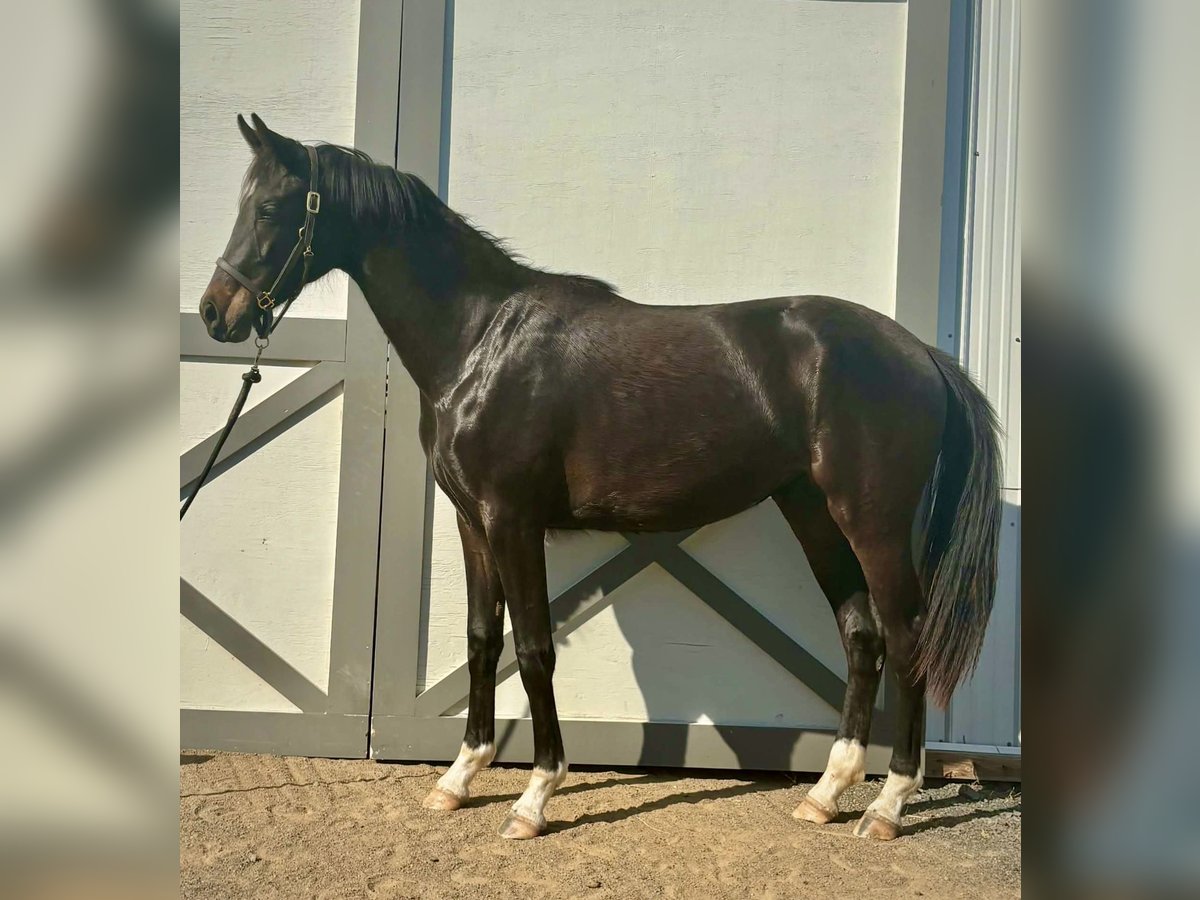
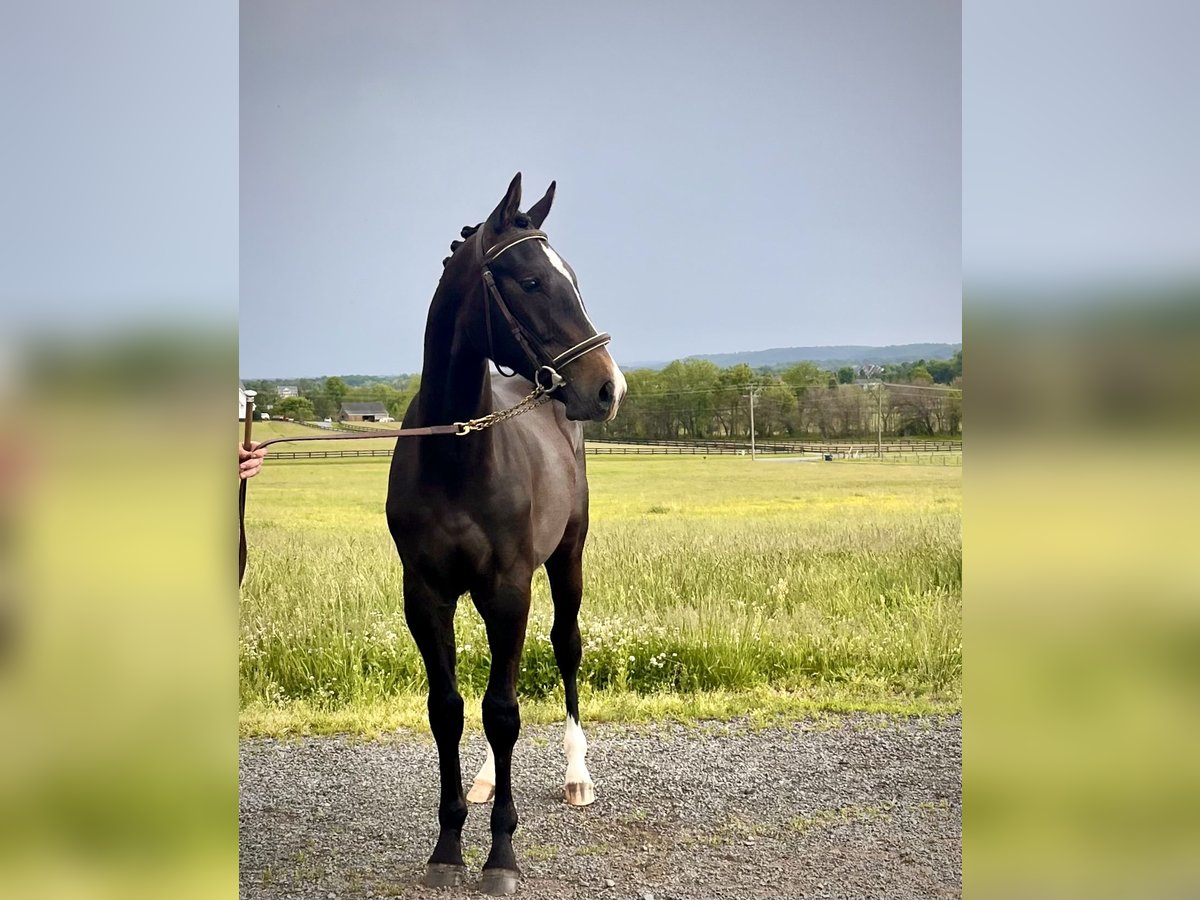
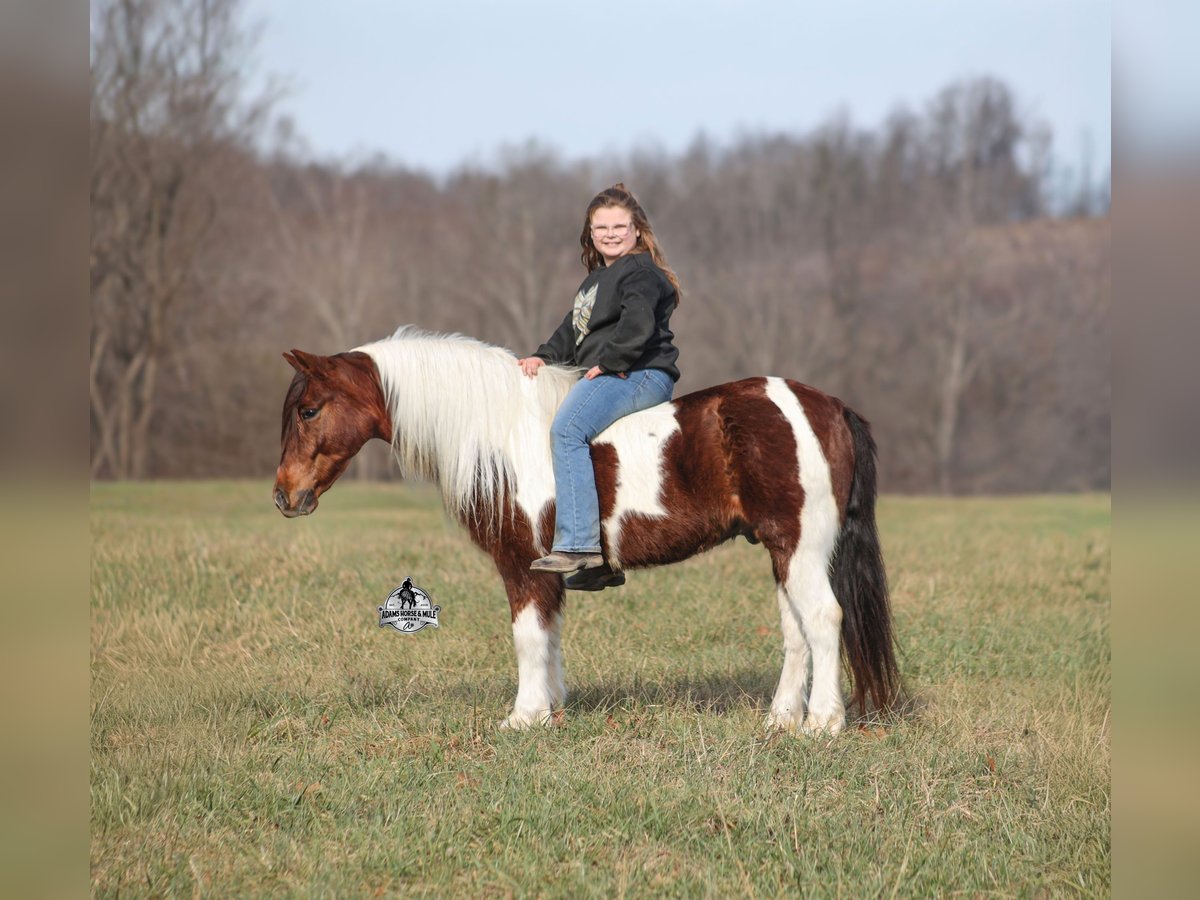
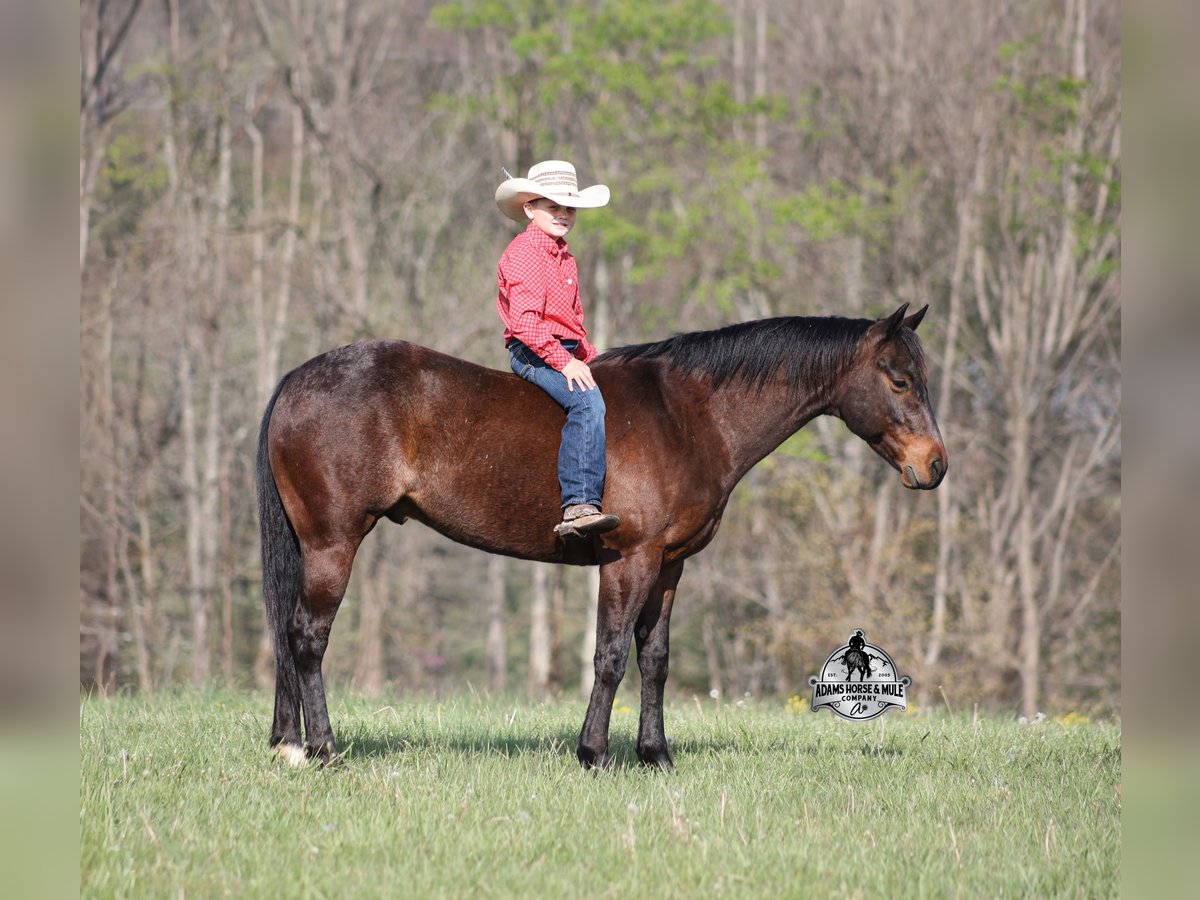
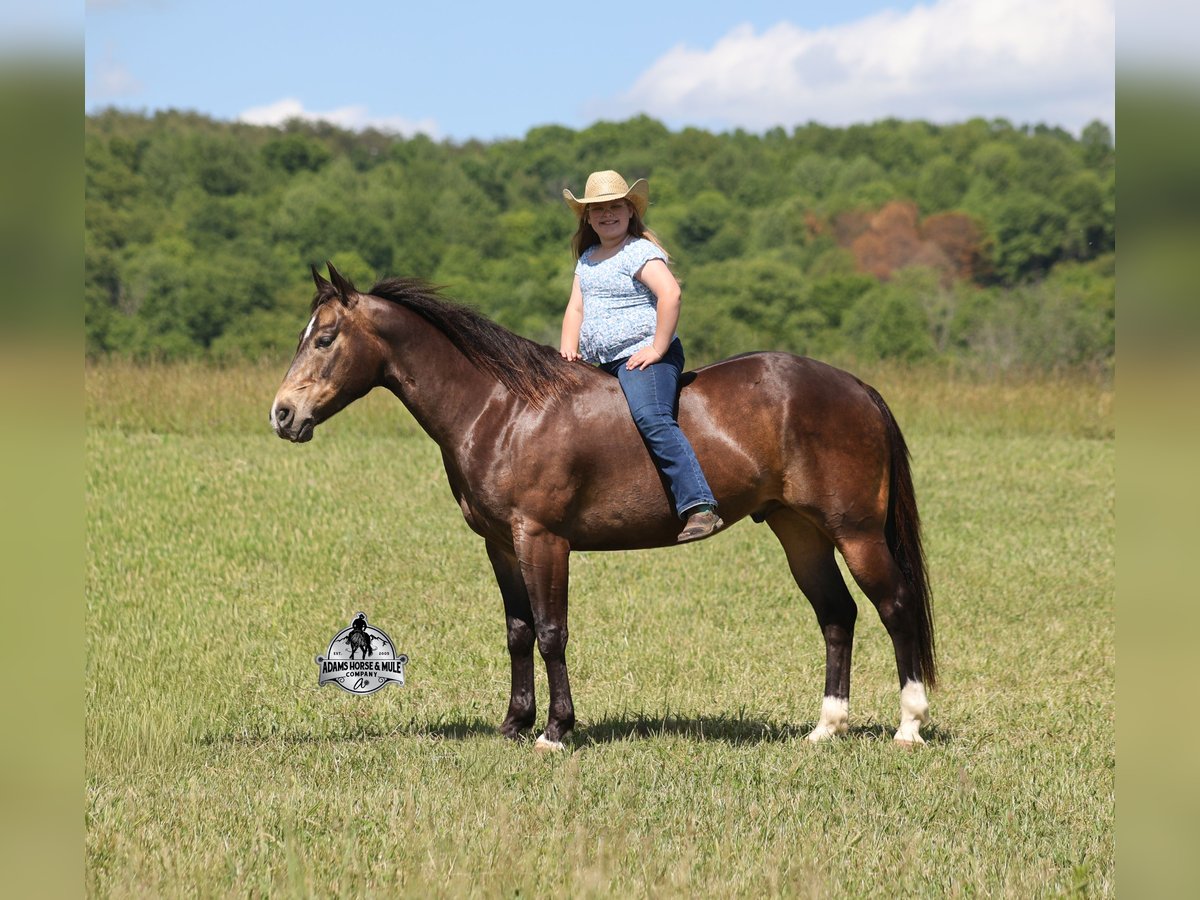
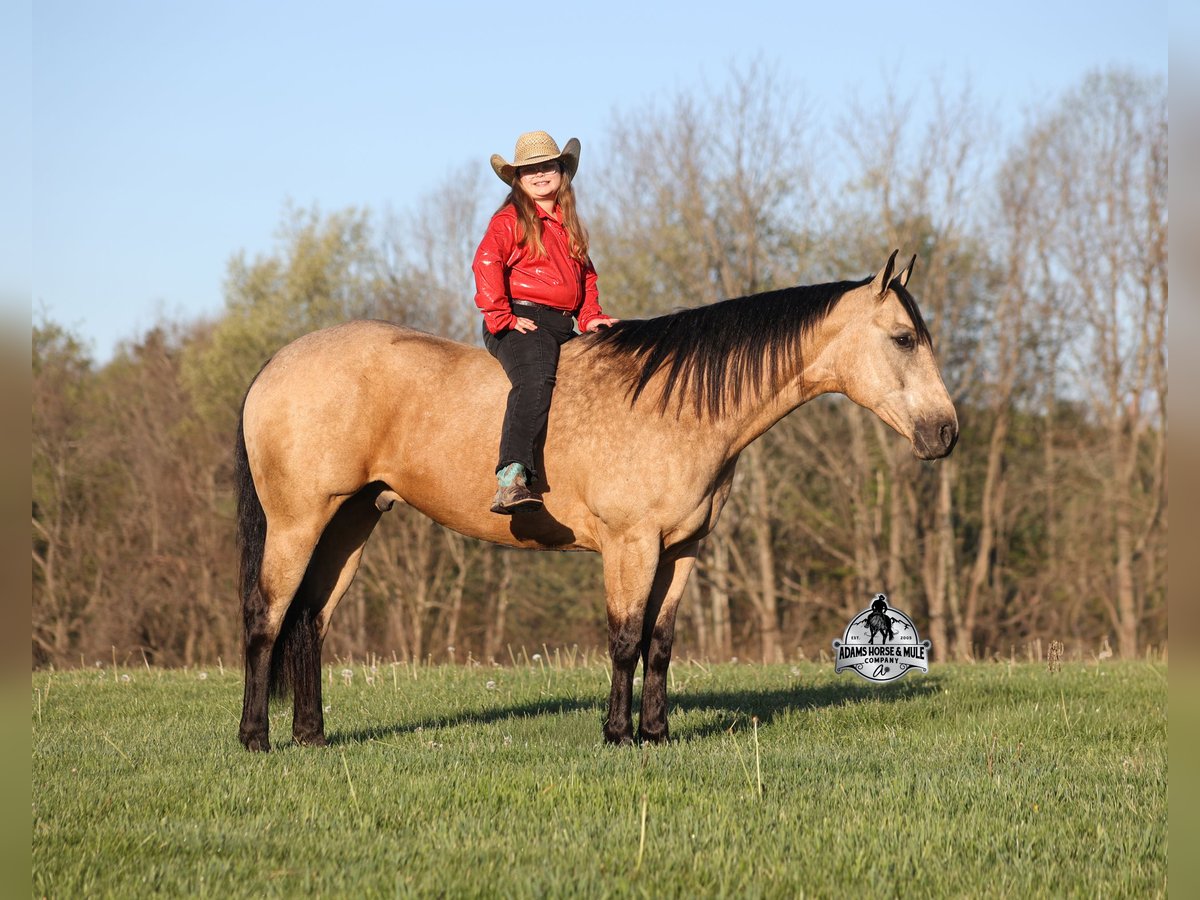
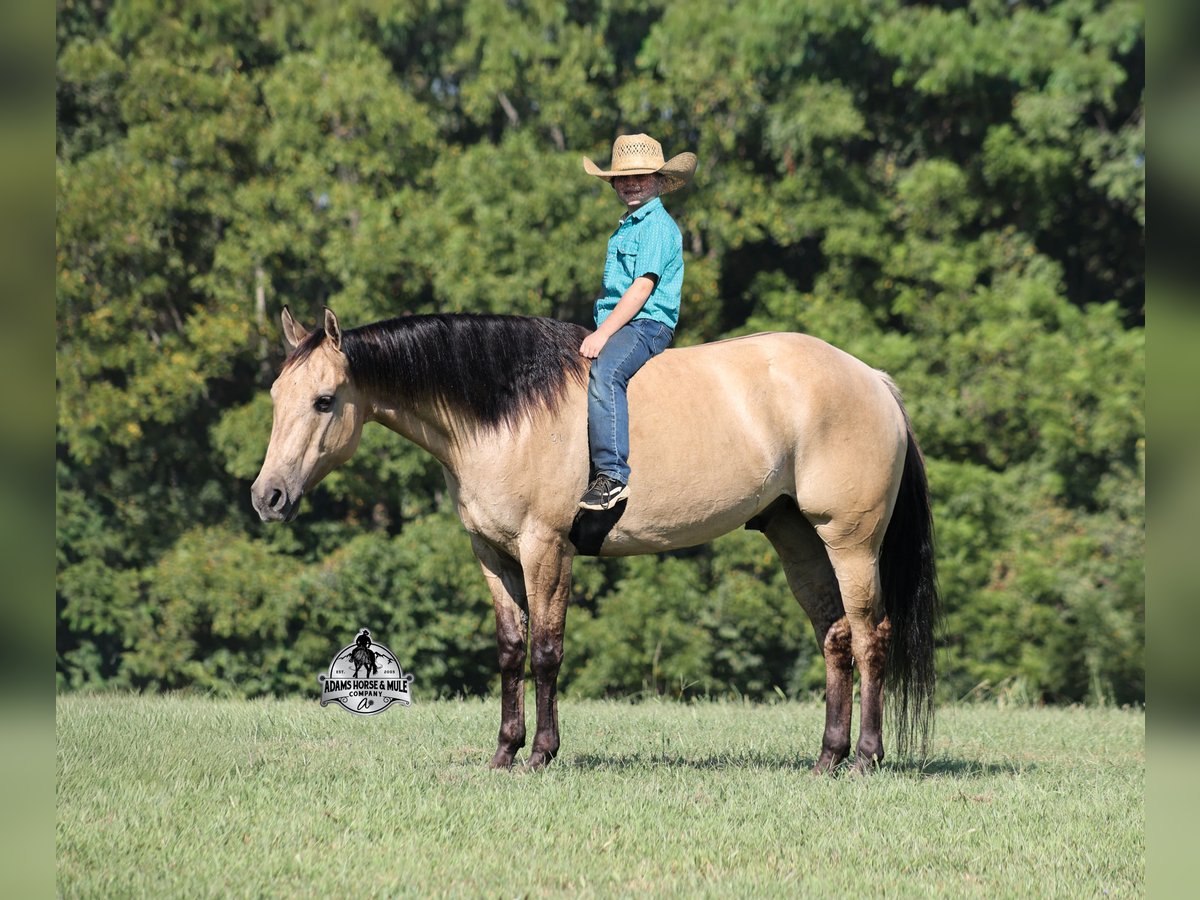
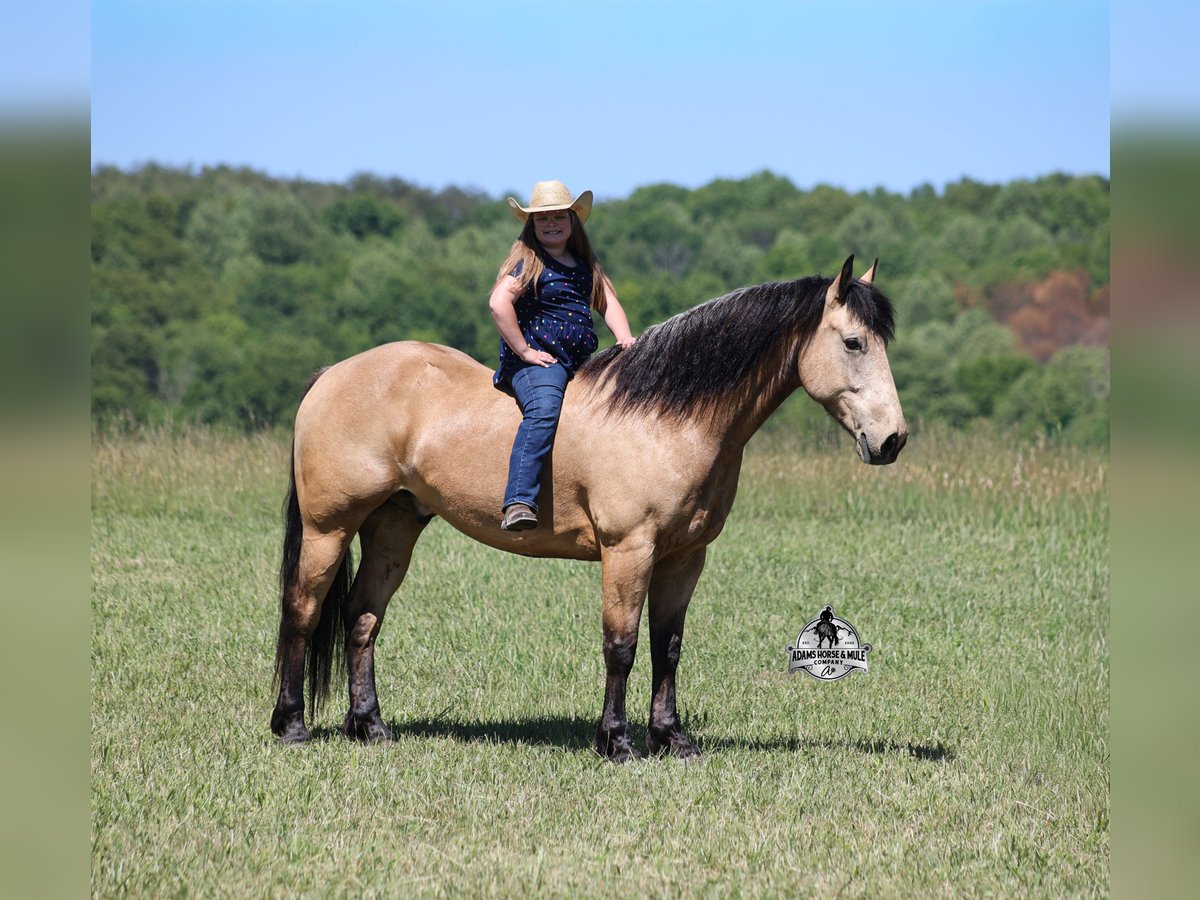
The Quarter Pony should correspond to the type of a western riding horse and reach a height of between 47 and 57 inches. The short head is characterised by a broad forehead, short ears and large, clear, wide-set eyes. It reflects the intelligence of the pony and resembles the head of the Quarter Horse, but with a certain “pony look”. A strong, medium-length neck is desirable, with sufficient freedom of the gaiter and a 45-degree angle to the head. The topline should be recognisably longer than the underline. A stable, short back, deep and sloping shoulders and moderately pronounced withers are also typical of the Quarter Pony. The chest is suitably broad and proportionate to the rest of the body.
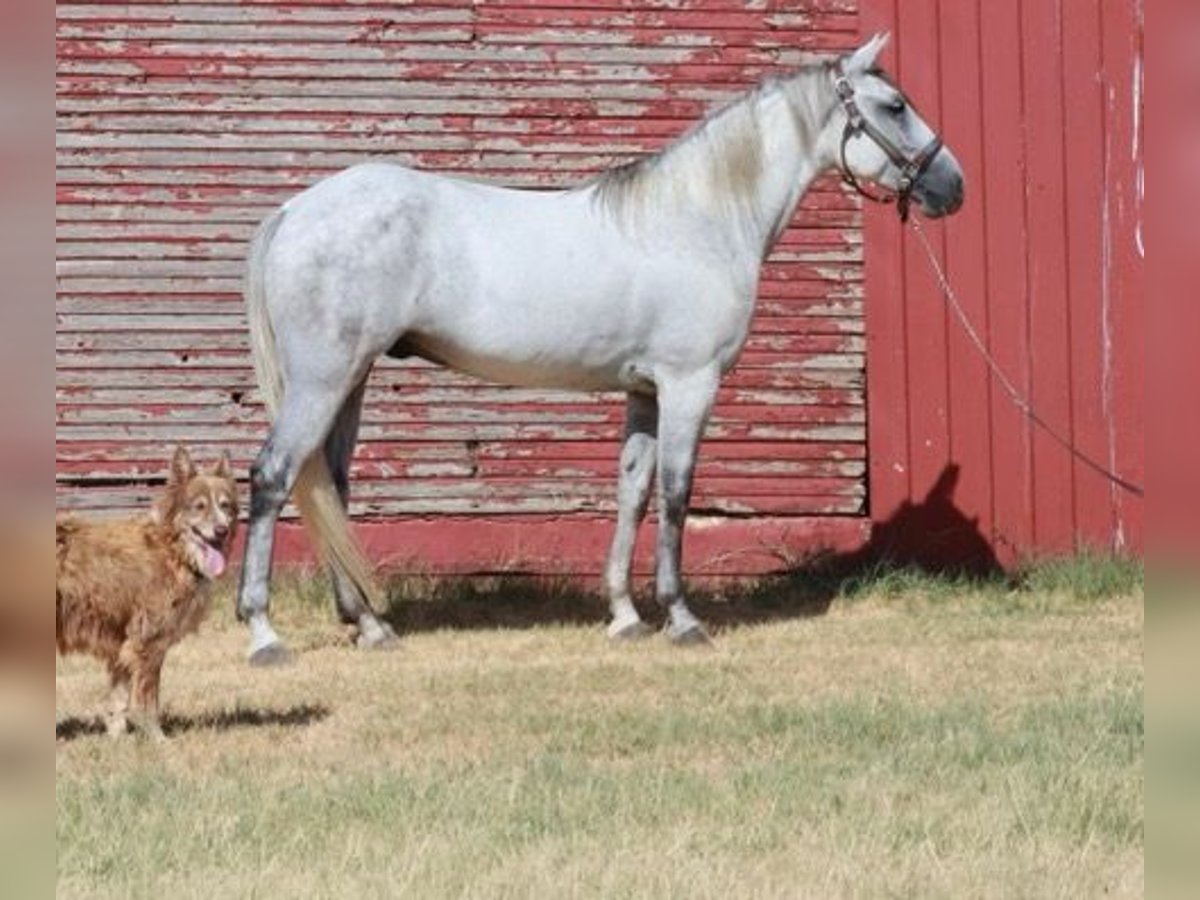
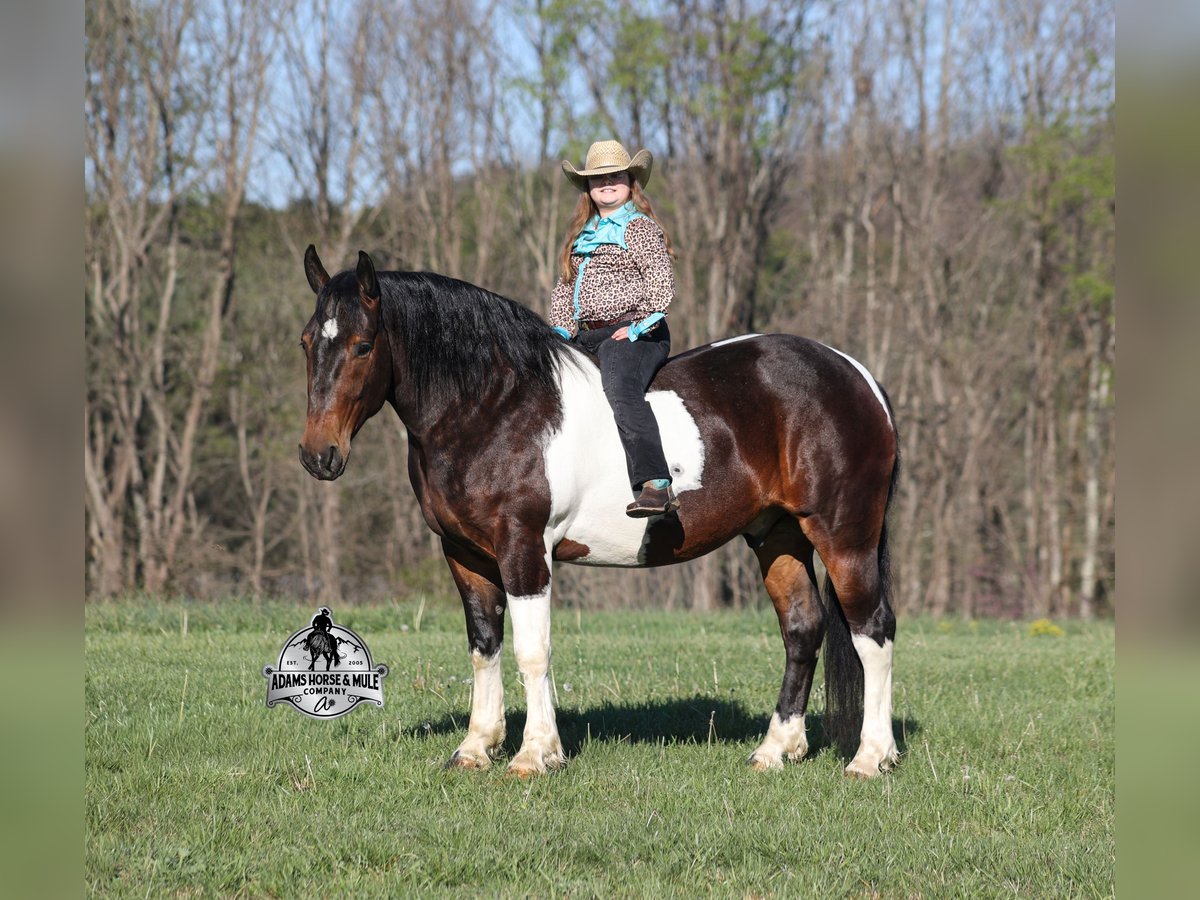
The hindquarters should also be harmoniously shaped and in balance with the conformation and should be well muscled. Heavily overbuilt ponies are not desirable. The foundation presents itself with stable and clear legs that are appropriately proportioned to the body mass and allow quick turns in any direction. By nature, the pony breed is very collected due to its conformation, which favours light-footedness during abrupt stops and changes of direction. This agility is essential for western riding disciplines. The hooves are also attractively shaped, nicely rounded and sufficiently large. The Quarter Pony appears diverse with regard to its coat colouring. While the IQPA breeding association allows all colours, the AQPA only allows single-coloured ponies with the exception of albinos. Markings, on the other hand, can occur in any colour.
Impressions of the breed


How tall do Quarter Ponies grow?
The maximum size is 58 inches.
The most important features of the appearance at a glance
Head: Should resemble that of the Quarter Horse, short, with a broad forehead, large, clear eyes and small, widely spaced ears
Neck: of medium length and strong, sufficient freedom of gait, topline significantly longer than underline
Back: short, stable with relatively well defined withers
Chest: Not too broad, must be in good proportion to the other proportions
Shoulder: deep and sloping, pleasant gait
Hindquarters: strong and well muscled, but not overbuilt
Legs: strong and clear, set well under the body. This allows the Quarter Pony to make tight turns in all directions
Hooves: well rounded and not too small
Longhair: relatively fine and luxuriant
How heavy do quarter ponies get?
As Quarter ponies are between 47 - 57 inches tall, it is not possible to give a standardised weight, as the weight also depends on the size. The average weight is around 661 lbs.
Character traits of the Quarter Pony
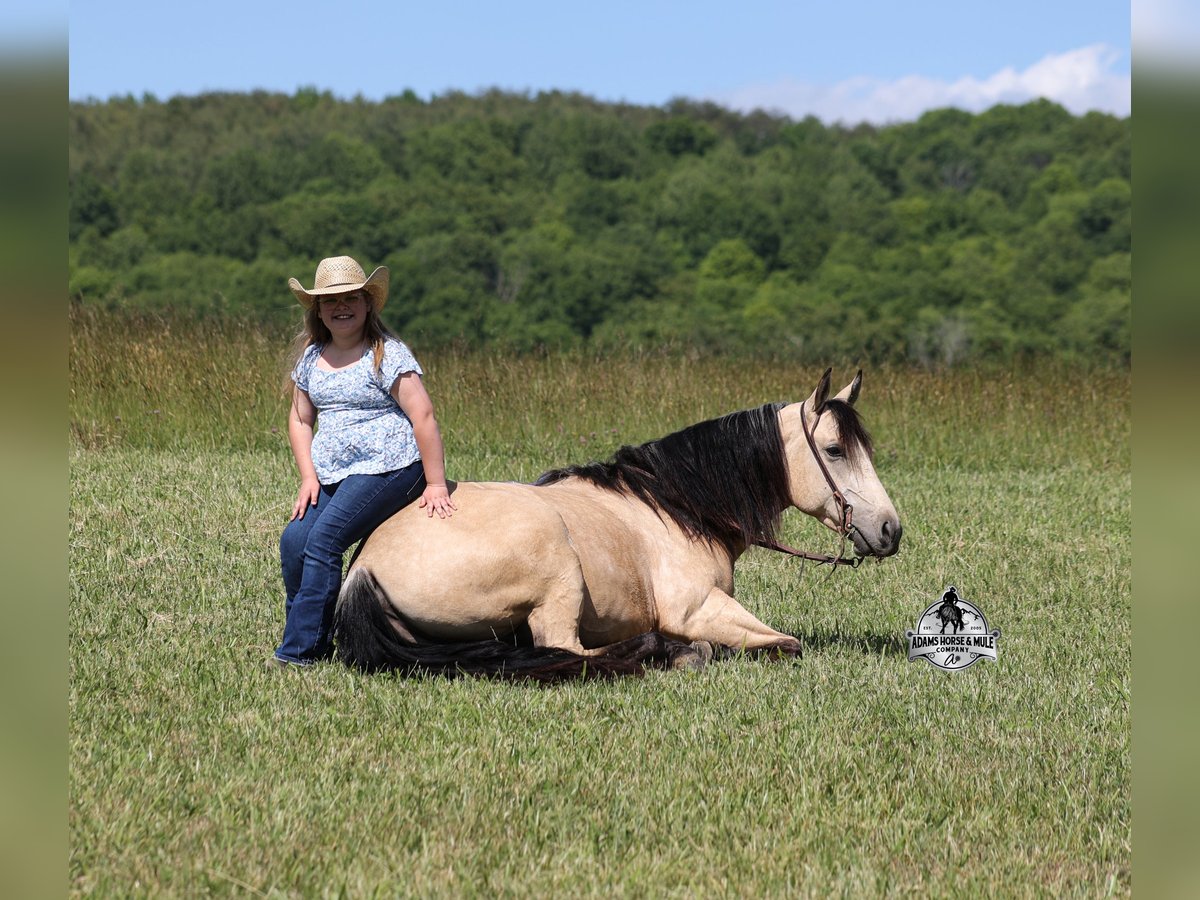
With its impeccable character, the Quarter Pony is a small horse that is as sociable as it is reliable. With its uncomplicated nature and strong nerves, it is suitable for riders of all ages. In addition, the pony breed is characterised by robust health and good resilience for leisure and sporting purposes as well as for therapy and riding school use.
Fields of use and special characteristics of Quarter Ponies
The Quarter Pony is mainly used in Western disciplines due to its agility, which can certainly be considered a special breed characteristic. Its physique naturally gives it a certain amount of collection, and all turns and stops can be executed light-footedly and elegantly. The movement is pure and balanced in all basic gaits, special gaits such as tölt or pass are not desirable.
Depending on their disposition, they are also suitable for dressage, show jumping or driving. Due to its balanced character, the Quarter Pony is often used as a school and therapy horse. Its manageable size and sociable, friendly nature make it the ideal family horse and it is a popular starter pony for young people and lightweight adults. However, a mare or gelding should be preferred as a family horse, as stallions generally belong in the experienced hands of a breeder due to their stallion behaviour and temperament.
Movement process
The Quarter Pony should show the basic gaits that the other Western horse breeds also master, and present itself with a pure rhythm as well as light-footed and balanced. Riders should benefit from a comfortable seat in the saddle at all gaits. Due to its conformation, the Quarter Pony naturally has a good collection, which allows for light-footed execution of stops and turns. Ponies with a tendency to gait are not desirable.
What are Quarter Ponies suitable for?
Mainly for equestrian sport. They are particularly predestined for western disciplines.
Hereditary diseases in Quarter Ponies
Important to know: There is a breed-typical hereditary disease, hypercalemic periodic paralysis, HYPP for short. This incurable metabolic disease is caused by a genetic defect and is inherited dominantly. Symptoms include muscle cramps, attacks of paralysis and increased breathing noises if the paralysis affects the upper airways. Of interest to breeders is the fact that this disease only occurs in the offspring of the stallion Impressive (1969 – 1995), other bloodlines are not affected. The genetic defect can be detected by a genetic test, which is mandatory for the offspring of the Impressive bloodline. This genetic test prevents foals being born from matings that could pass on the gene. It is particularly insidious that even horses that are not affected themselves but carry the genetic defect can pass it on to their offspring.How old do Quarter Ponies get?
The life expectancy can easily be more than 30 years. It also depends on the horse's food and care.
Known horses of the breed
Blues Starlight”, who is now a stud stallion, can probably be described as a ” top performer”. Born in 2003, the stallion was the result of a mating between a Quarter Horse stallion and a riding pony mare and developed extremely promisingly. The stallion, who is just under 55 inches tall, won numerous awards right from the start of his training, including at the 2006 Americana. He is the first Quarter Pony not bred in America to achieve a High Point title at the IQPA. Blues Starlight was extremely successful in western show jumping for ten years. He proved that a Quarter Pony can also compete at international level with its big relatives, the Quarter Horses and Paint Horses. Opponents of the breed, who disparagingly saw Quarter Ponies as a kind of “waste product” of Quarter Horse breeding, were proved wrong.
At what prices can you buy Quarter Ponies?
If you want to buy a correctly bred, well-trained Quarter Pony, you can expect prices to start at $5000. Foals and young horses are slightly cheaper, ponies with competition successes are priced accordingly higher.